Subfamily

Cactoideae

Cactoideae

Cactoideae is a subfamily-level taxonomy record identified as Cactoideae.

Child Taxa

Plants In This Group

Ariocarpus retusus

Ariocarpus retusus

Ariocarpus retusus

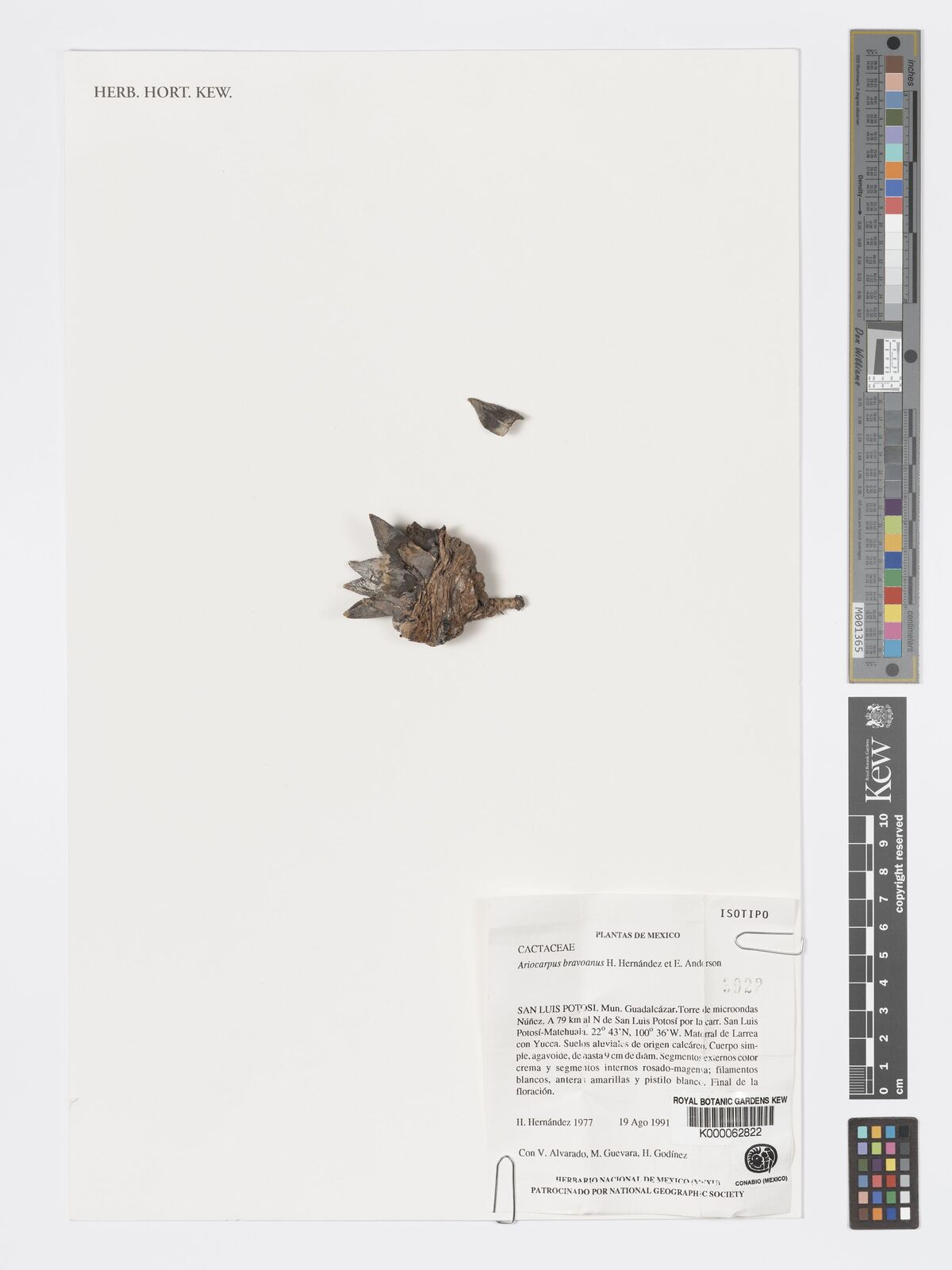
Ariocarpus retusus is a slow, stone-like cactus that does not behave like the common mental image of a cactus. It has no dramatic spine display; instead it forms a low rosette of thick triangular tubercles that make the plant look almost geological. On the product page it can be presented with the buyer-friendly name “Living Rock Cactus.” In the botanical dictionary, the display name remains Ariocarpus retusus Scheidw. POWO/Kew treats the name as accepted, and GBIF places it at species rank in the genus Ariocarpus.

Astrophytum myriostigma

Astrophytum myriostigma

Astrophytum myriostigma

Astrophytum myriostigma is one of the most recognizable spineless cacti in cultivation. It is loved for its star-shaped rib structure, smooth body and pale flecked surface rather than for dramatic spines. The commercial product name “Bishop’s Cap Cactus” is clear and useful for buyers; the botanical dictionary keeps the scientific name Astrophytum myriostigma Lem. POWO/Kew treats the name as accepted and records the native range as northeastern Mexico. World Flora Online also reports the name as accepted in Cactaceae.

Chocolate Cactus

Echinopsis 'Chocolate'

Chocolate Cactus

Echinopsis 'Chocolate' should be treated as a horticultural cultivar or trade form, not as a formally accepted wild species name. On the product page, “Chocolate Cactus” is a clear buyer-facing name. In the botanical dictionary, the display name can be Echinopsis 'Chocolate', with an explicit note that it is a collector/cultivar name used around Echinopsis material rather than a settled species-level taxon.

Ferocactus latispinus

Ferocactus latispinus

Ferocactus latispinus

Ferocactus latispinus is a strongly spined barrel cactus known for its flattened, often reddish central spines and compact architectural body. On the commercial product page it is presented with the buyer-friendly name “Devil’s Tongue Cactus”; in the botanical dictionary, the record keeps the scientific name. Current botanical references treat Ferocactus latispinus (Haw.) Britton & Rose as an accepted species in Cactaceae. GBIF places it at species rank in the genus Ferocactus and lists a range of older names and synonyms around the same taxon.

Green Bishop's Cap Cactus

Astrophytum myriostigma var. nudum

Green Bishop's Cap Cactus

Astrophytum myriostigma var. nudum is a cleaner green, reduced-flecking form of Astrophytum myriostigma, the Bishop's Cap cactus. It should not be presented as Star Cactus; Star Cactus belongs to the Astrophytum asterias line.

Star Cactus

Astrophytum asterias 'Star Shape'

Star Cactus

Astrophytum asterias is a small, spineless, flattened cactus with a clean star-like body and orderly woolly areoles. The product name “Star Cactus” or “Sand Dollar Cactus” is clear for buyers, while the botanical dictionary keeps the scientific basis: Astrophytum asterias (Zucc.) Lem. POWO/Kew treats the name as accepted and records a narrow native range from southern Texas to Nuevo León and Tamaulipas in Mexico. World Flora Online also reports the name as accepted in Cactaceae.

Frequently Asked Questions

What is Cactoideae?
Cactoideae is a subfamily-level taxonomy entry identified by the scientific name Cactoideae.
Which rank is Cactoideae?
Cactoideae is shown as a subfamily in our botanical dictionary.
Which groups sit below Cactoideae?
Child taxonomy entries include Cacteae, Trichocereeae.
Are there plants related to Cactoideae?
Yes. Related dictionary entries include Ariocarpus retusus, Astrophytum myriostigma, Chocolate Cactus, Ferocactus latispinus.
Is this taxonomy page a care guide?
No. This page explains scientific classification; light, watering, and safety guidance belongs on individual plant pages.
Is Cactoideae a product category?
No. This is a scientific taxonomy record. Product categories are organized separately around customer search intent.
Why is the Latin name shown?
The Latin scientific name reduces ambiguity between common names across languages and regions.
Where can I see the parent ranks?
The taxonomy card shows the parent ranks of Cactoideae inside the scientific hierarchy.
Can this page change over time?
Yes. Taxonomy and dictionary content can be updated as botanical data, greenhouse observations, and collection records improve.
Why is this different from a plant detail page?
This page explains a classification node. Individual plant pages contain care notes, collection links, and practical growing information.