
Light
Full Sun
Strong light is appropriate; acclimate a shade-grown plant to harsh sun in stages.
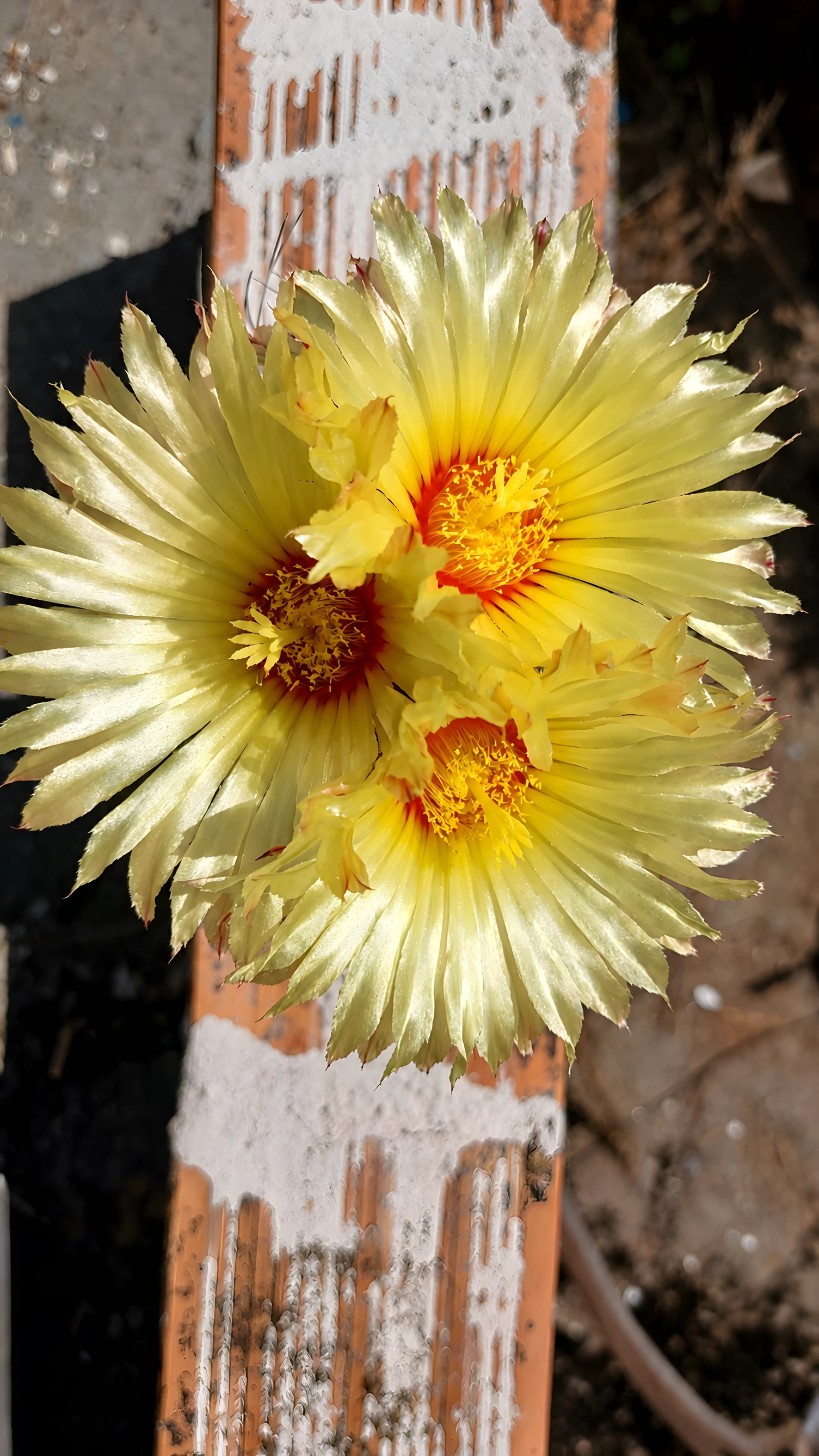
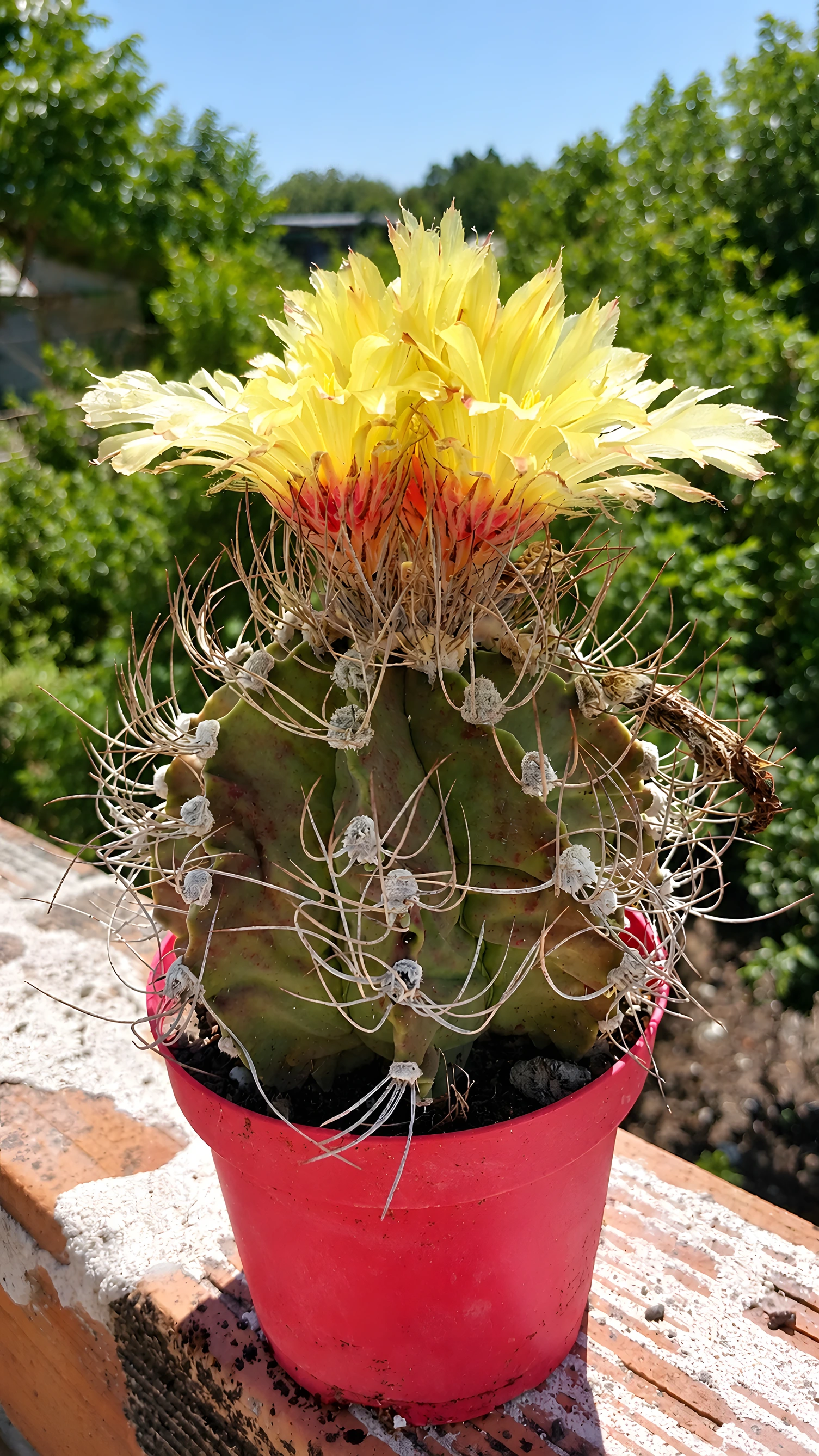
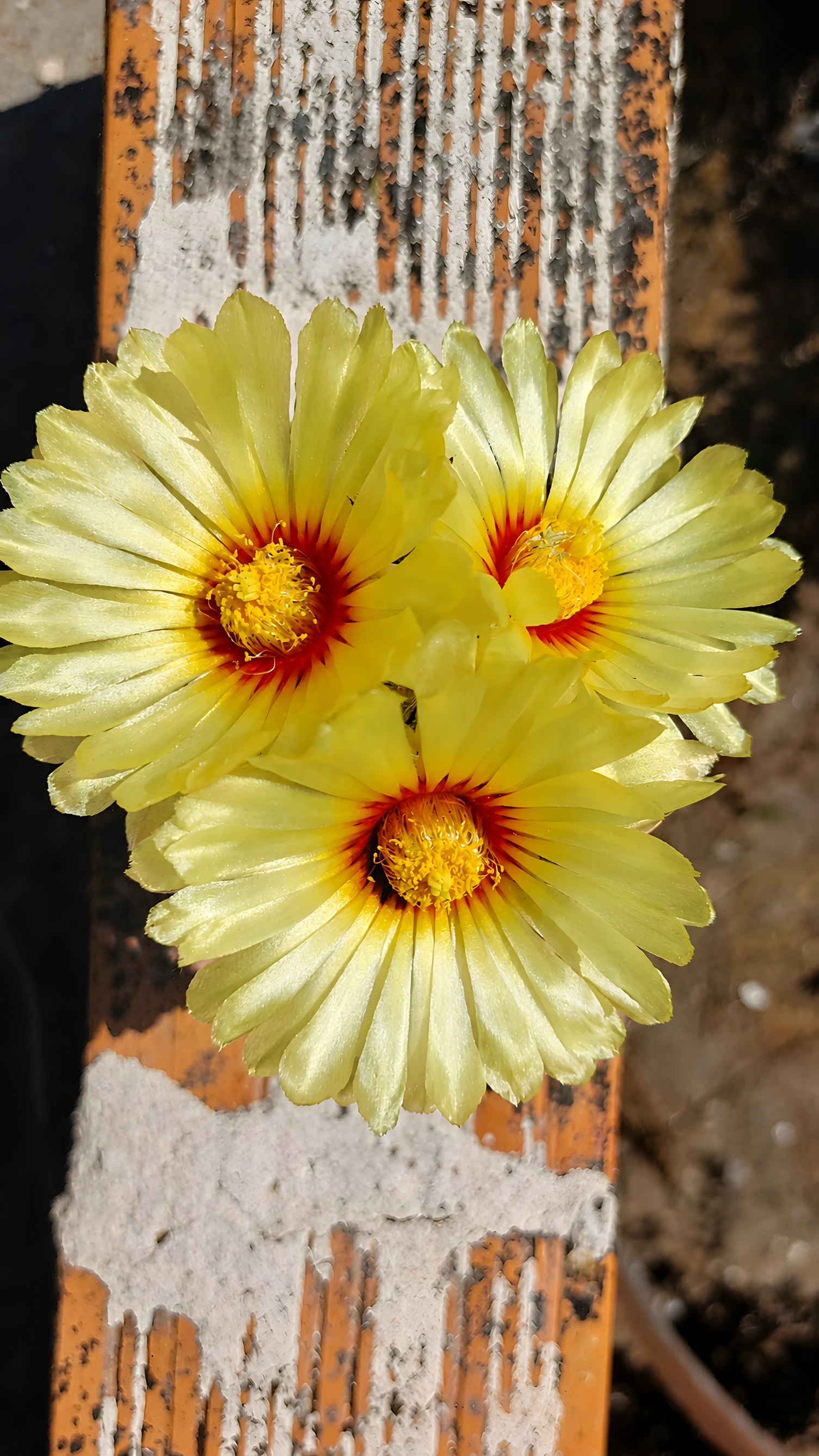
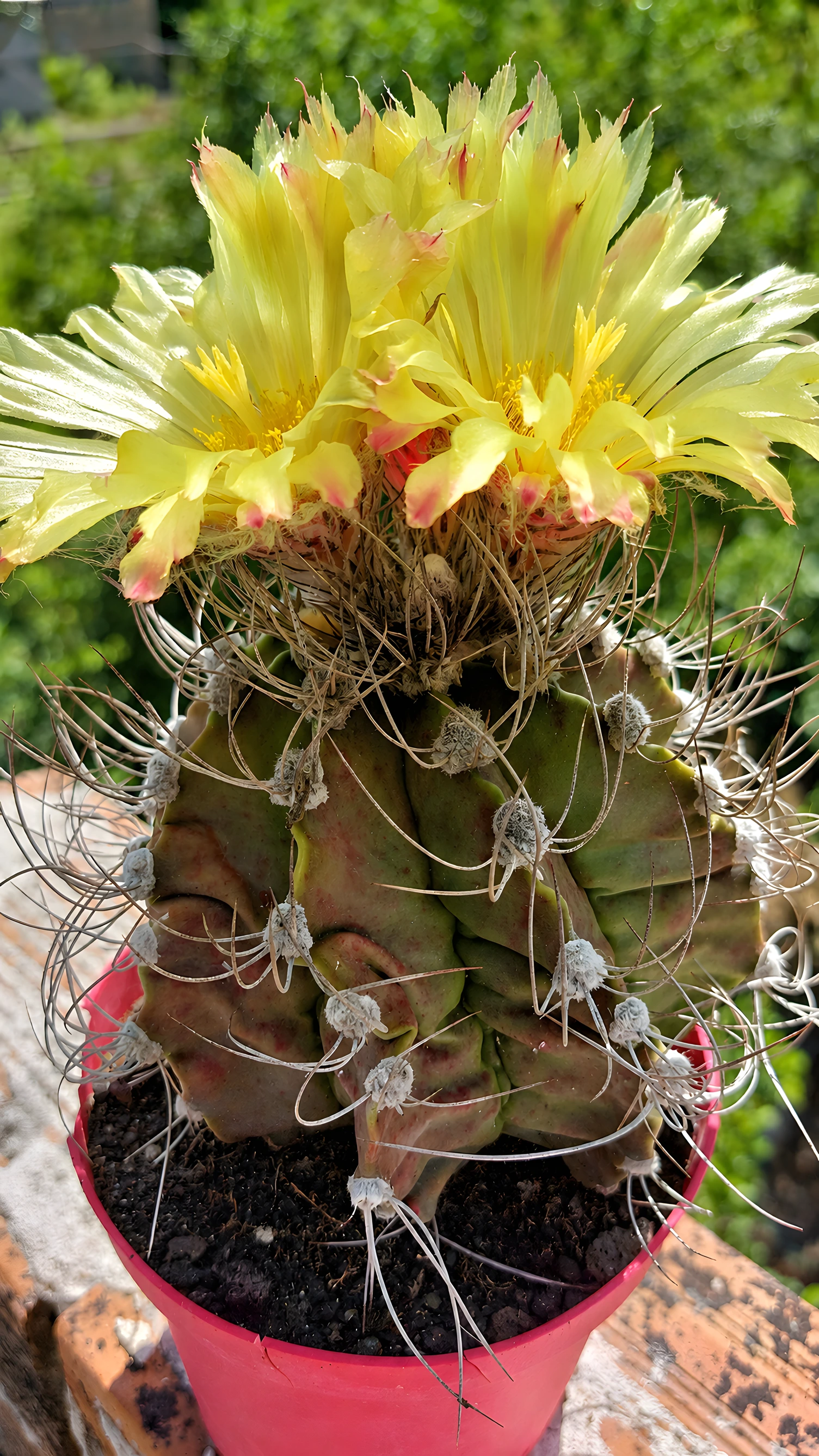
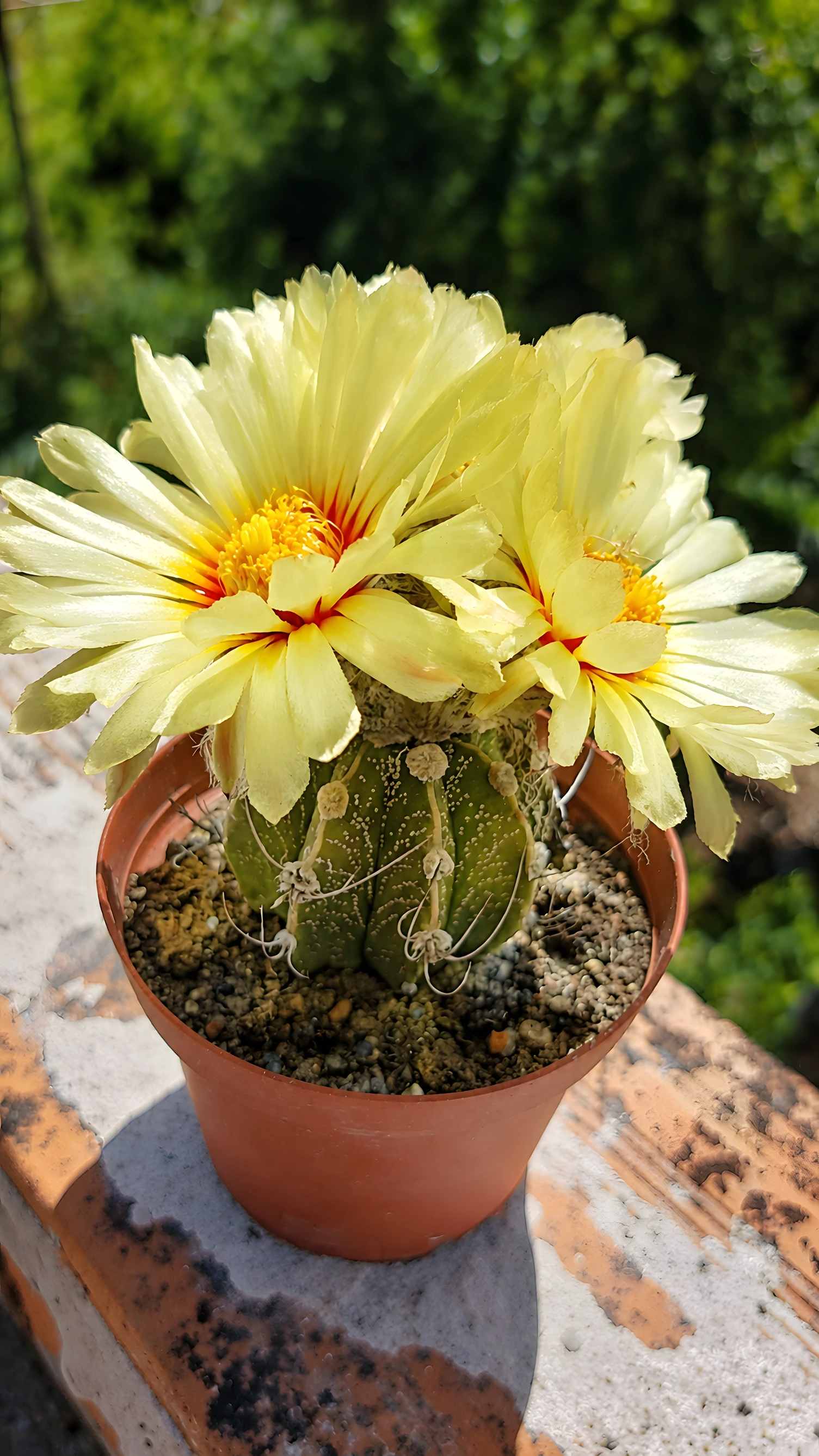
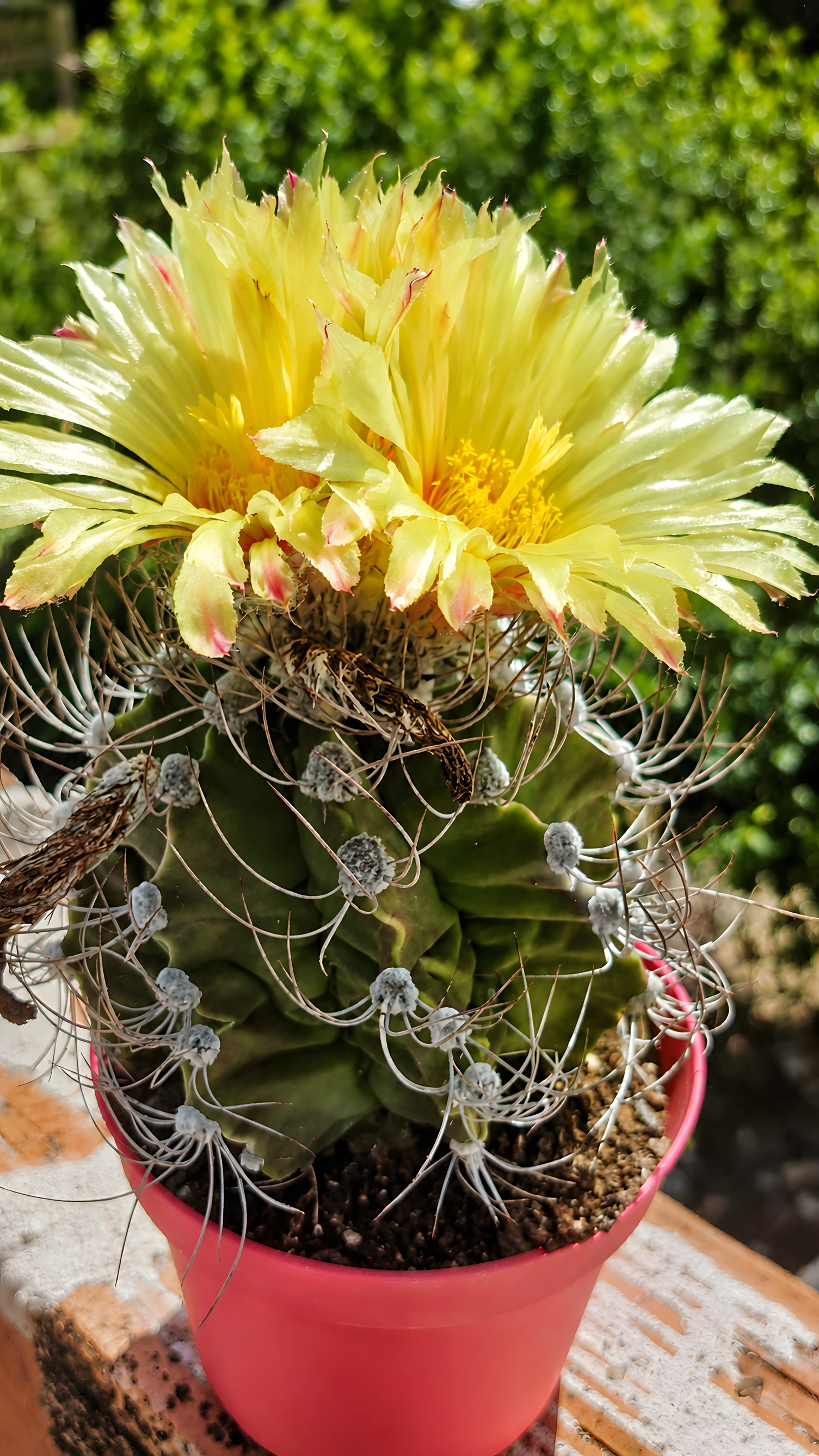
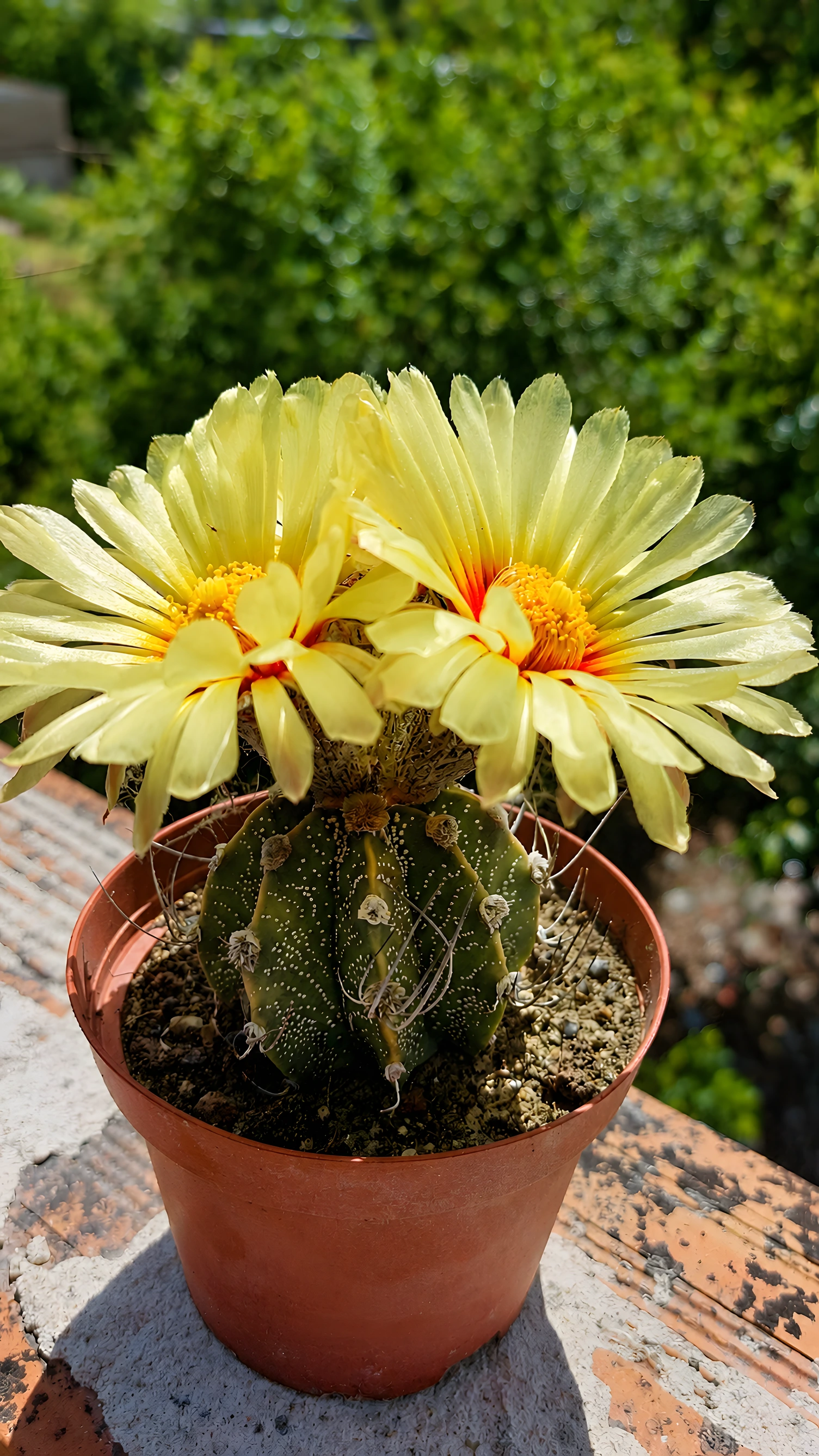
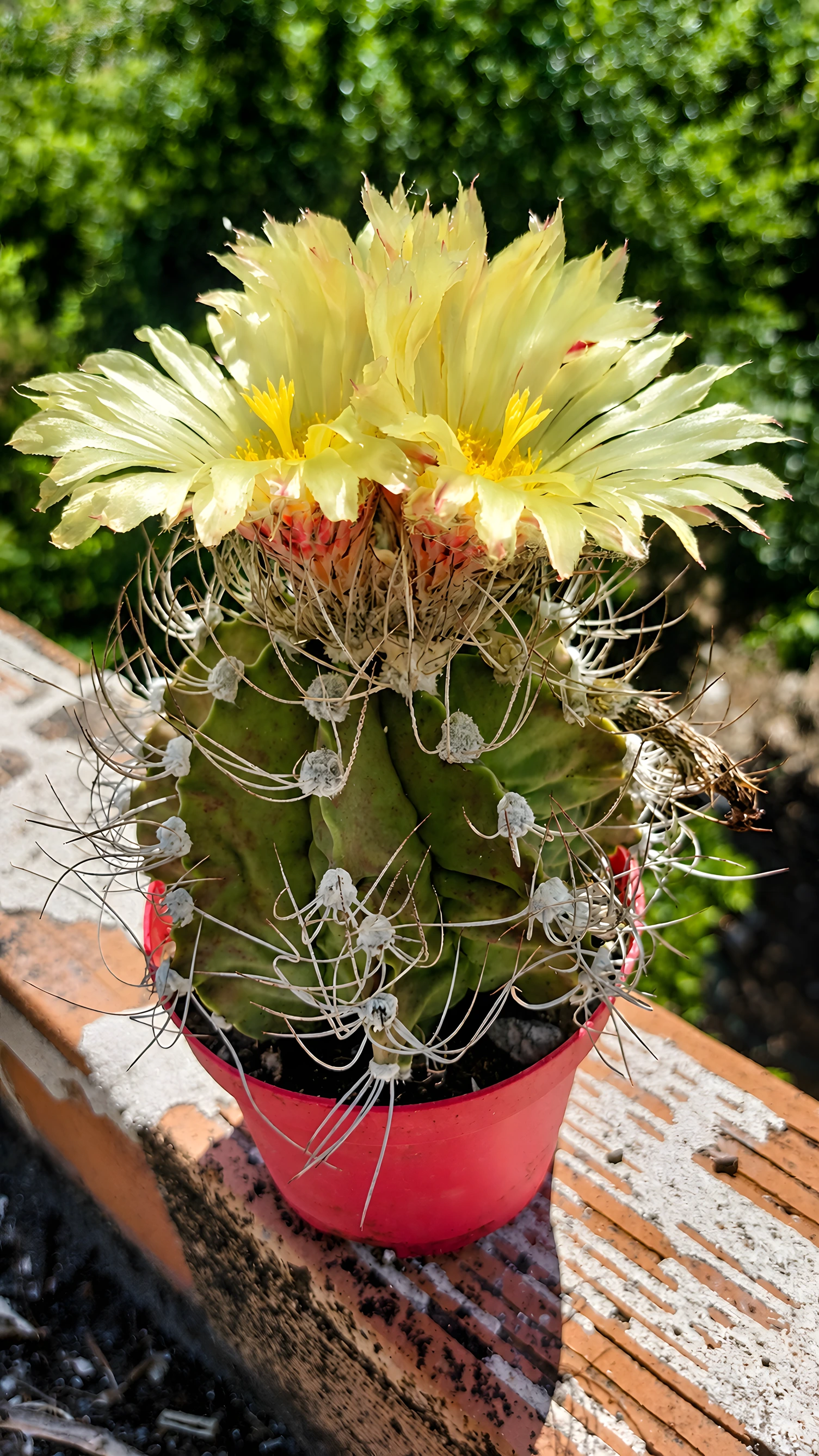
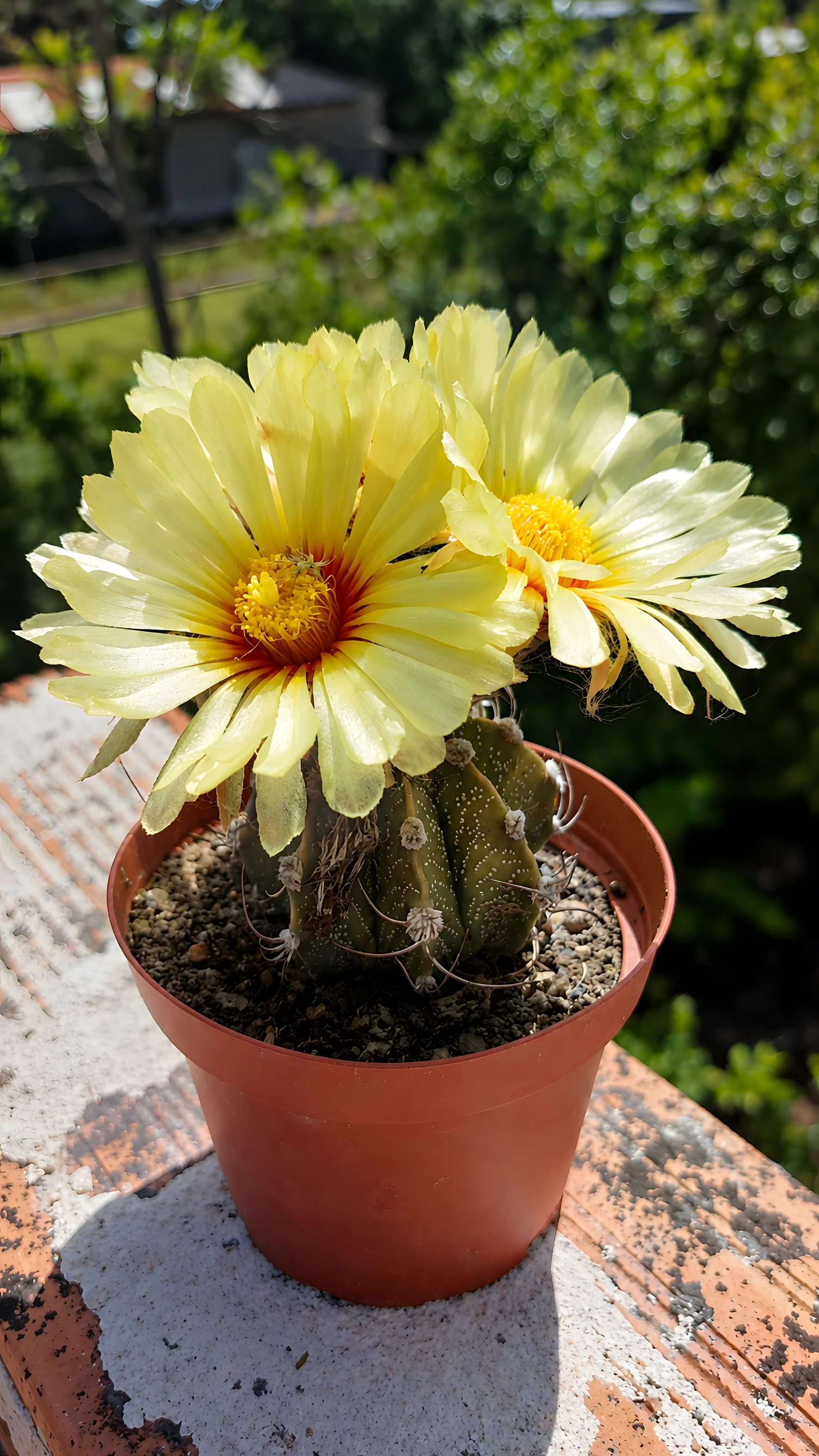
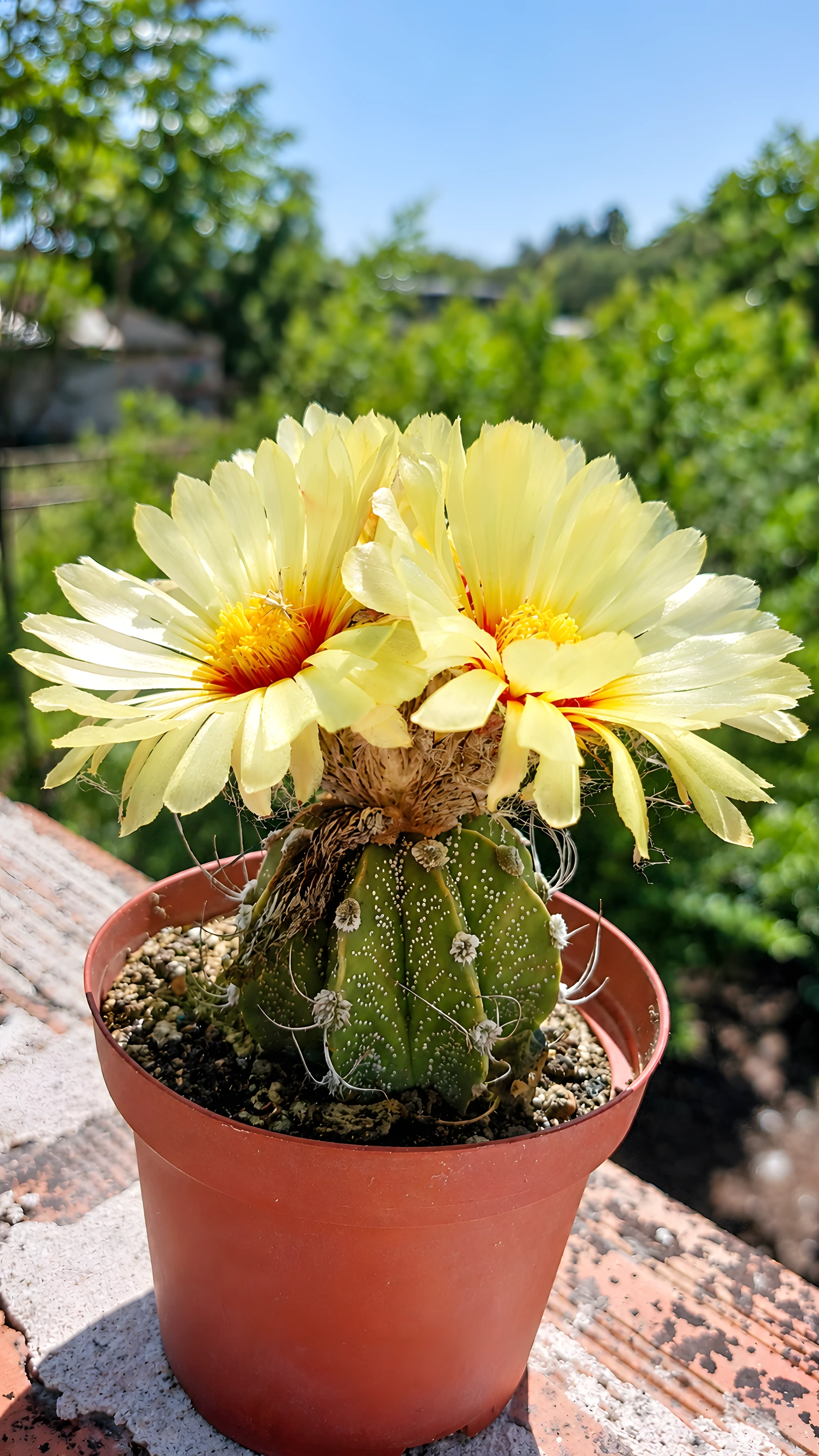
Goat's Horn Cactus
Astrophytum capricorne is a succulent subshrub in family Cactaceae, native to northeastern Mexico.1 The current Kew backbone treats it as an independently accepted species. The standard and nudum commercial presentations in the catalog share one botanical and taxonomy identity; “nudum” is not a second accepted species here.
Kew associates the species with desert or dry shrubland.1 In container culture, the safe practical translation is strong light, a mineral-rich medium that preserves air space, and drainage that does not leave the root zone wet for long. Habitat evidence should not be turned into a fixed watering calendar.
Do not water again until the mix has dried throughout. When watering, wet the root ball evenly and allow all excess water to escape. Drying slows under cool, enclosed, or low-light conditions, so the interval naturally becomes longer. Persistently wet media increase the risk of rot.
Strong light is appropriate, but do not move a shade-grown plant abruptly into harsh direct sun. Increase exposure in stages. Stem appearance, fleck density, and spine form may vary among living individuals and with growing conditions; a product photograph is not a taxonomic voucher.
The species-level IUCN assessment gives the global category as LC.2 That category does not mean every local population is free of pressure or that wild collection is automatically appropriate. The spines pose a mechanical injury risk, so avoid gripping the plant with bare hands. No unsupported categorical claim about chemical toxicity is made.
Strong light is appropriate; acclimate a shade-grown plant to harsh sun in stages.
Do not water again until the mix has dried throughout; follow actual drying time.
Use a drainage-holed pot and an airy, mineral-rich, fast-draining mix.
Spines pose a mechanical injury risk; avoid gripping the plant with bare hands.
Manageable with strong light, complete drying, and fast drainage.
The current Kew record gives northeastern Mexico as the native range.[^1] [^1]: https://powo.science.kew.org/taxon/urn:lsid:ipni.org:names:128908-1
