Ariocarpus retusus

Ariocarpus retusus

Description

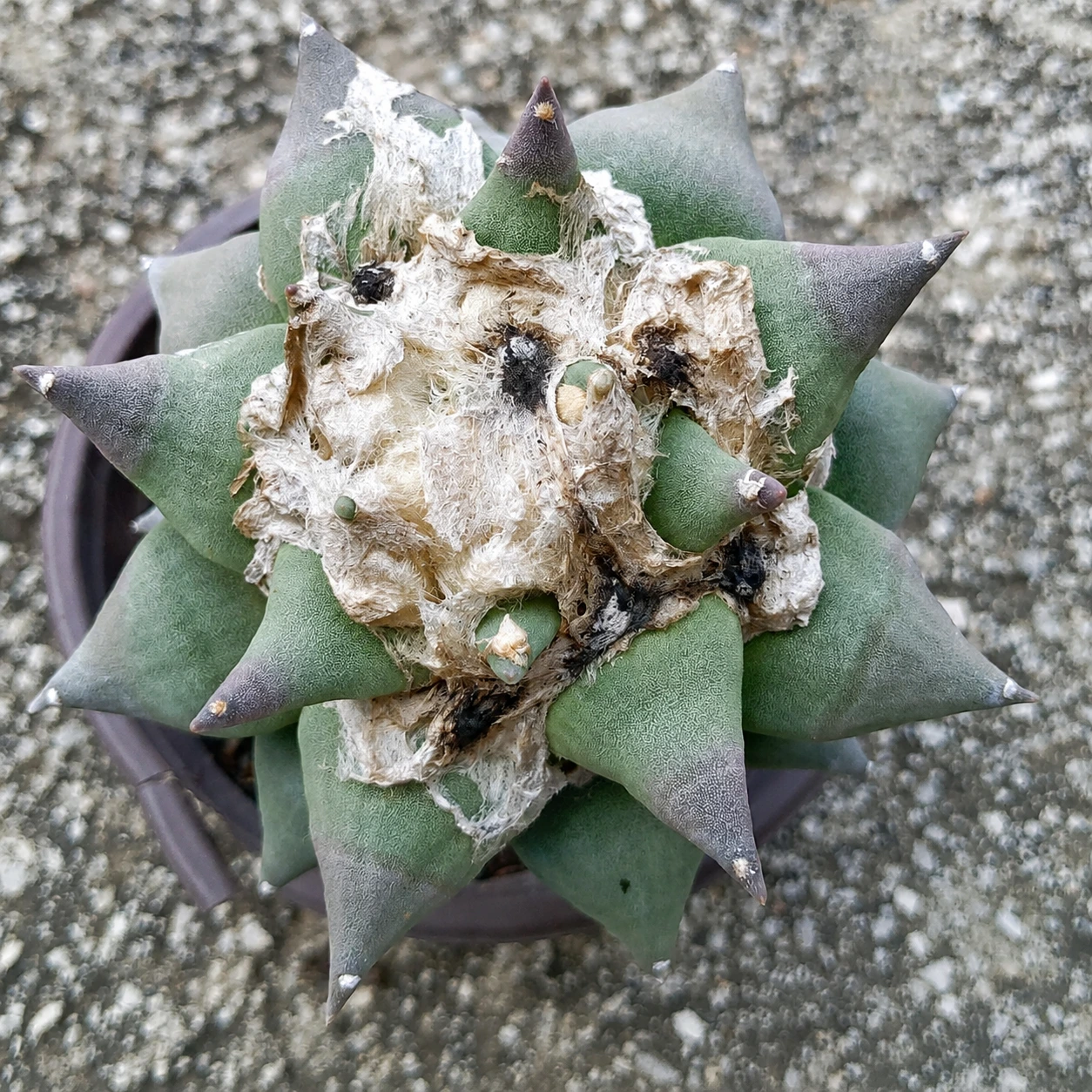
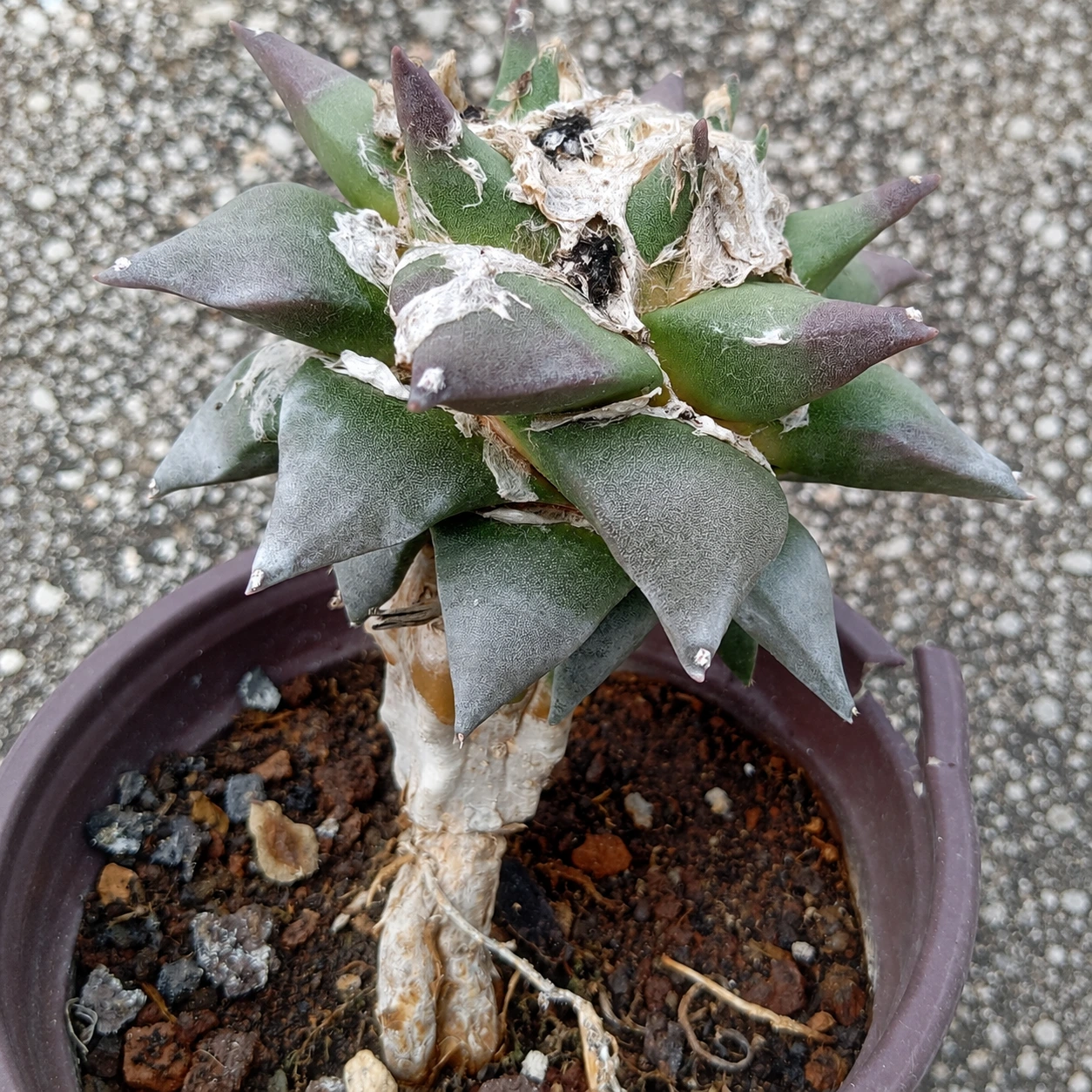
Ariocarpus retusus is a slow, stone-like cactus that does not behave like the common mental image of a cactus. It has no dramatic spine display; instead it forms a low rosette of thick triangular tubercles that make the plant look almost geological. On the product page it can be presented with the buyer-friendly name “Living Rock Cactus.” In the botanical dictionary, the display name remains Ariocarpus retusus Scheidw. POWO/Kew treats the name as accepted, and GBIF places it at species rank in the genus Ariocarpus.12

The appeal of this plant is patience. Ariocarpus retusus does not promise fast growth, quick offsets or easy flowers. It rewards stable care and time. The low body and textured tubercles help the plant blend into limestone and rocky habitats in nature; in a collection, the same structure gives it the calm, sculptural quality that makes Ariocarpus plants highly prized.

Native range and habitat

POWO records Ariocarpus retusus as native to northeastern Mexico, associated with dry biomes.1 Specialist cactus references describe it from limestone and rocky slopes in semi-desert vegetation.3 For cultivation, this does not mean the grower should blindly copy habitat conditions. It means the plant should never sit in a wet, dense, organic mix. A mineral, fast-draining medium and restraint with watering are essential.

The plant’s survival strategy is conservative. Much of its mass is close to the soil line, and the root system is sensitive to long periods of moisture. A slightly wrinkled body does not automatically mean the plant should be watered immediately. In cool conditions, after transport, or after repotting, watering too soon is often more dangerous than waiting.

Conservation and ethical sourcing

Ariocarpus is a sensitive collector genus. Kew’s CITES cactus guide lists Ariocarpus spp. among Appendix I cactus groups, and CITES material notes the restricted Mexican distribution of Ariocarpus retusus.45 This does not mean nursery-grown plants cannot exist in cultivation; it means sourcing must be honest. The product should never be implied to be wild-collected. If provenance is known, it should be recorded in the product metadata.

For a collector, value is linked to age, root health, form and documented origin rather than simple size. A single-specimen listing is appropriate when the photographs represent the actual plant. If future inventory uses representative images, the product page should say so clearly.

Cultivation

Give Ariocarpus retusus bright light with protection from abrupt harsh exposure. A newly received plant should be allowed to settle before watering. Use a gritty mineral cactus mix and a pot with drainage. Water only when the pot has dried thoroughly; in cool months, keep the plant almost dry. Fertilizer, if used, should be weak and limited to the active growing season.

Avoid frequent repotting and unnecessary root inspection. Ariocarpus roots are not a playground. Stable conditions matter more than constant adjustment. The safest routine is simple: bright position, dry rest after arrival, careful watering in warm active periods, and a dry winter.

Cultivation note

Living Rock Cactus is best for someone who enjoys slow plants and does not need constant visible growth. It is not a “set it anywhere” beginner cactus, but it is manageable when the rules are respected. Do not water during the first settling week. Do not disturb the roots. Give it light, drainage and patience.

Common confusion points

Ariocarpus retusus is often described as difficult, but the real challenge is respecting its rhythm. Frequent handling, unnecessary repotting, and watering every time the body looks slightly wrinkled can create more problems than patience. A healthy Ariocarpus may appear unchanged for long periods. That stillness is often normal.

Cultivation and placement note

For a single collector specimen, photographic clarity matters. If the photos show the exact plant, state it clearly. Do not remove the plant from its pot just to inspect the roots after arrival. Choose a bright, stable position, use a mineral mix and observe first. With this genus, restraint is part of the care routine.

References

  1. Plants of the World Online, Royal Botanic Gardens, Kew. “Ariocarpus retusus Scheidw..” Accessed 2026-05-18. https://powo.science.kew.org/taxon/urn:lsid:ipni.org:names:128870-1
  2. GBIF Backbone Taxonomy. “Ariocarpus retusus Scheidw..” Accessed 2026-05-18. https://www.gbif.org/species/3084099
  3. LLIFLE Encyclopedia of Cacti. “Ariocarpus retusus.” Accessed 2026-05-18. https://www.llifle.com/Encyclopedia/CACTI/Family/Cactaceae/2079/Ariocarpus_retusus
  4. Royal Botanic Gardens, Kew / CITES guide. “CITES and Cacti / Appendix I Cactaceae.” Accessed 2026-05-18. https://www.kew.org/sites/default/files/2019-09/CITESandCacti_full.pdf
  5. CITES. “PC25 Doc. 39.2 Ariocarpus retusus.” Accessed 2026-05-18. https://cites.org/sites/default/files/eng/com/pc/25/Documents/E-PC25-39-02.pdf
Light

Filtered Sun

Bright but non-scorching light is safest.

Watering

Measured

Water sparingly; the root neck must not stay wet.

Soil

Mineral ağırlıklı, hızlı drene olan kaktüs karışımı.

Use a very mineral, fast-drying mix.

Safety

Contact/Ingestion Risk

Not edible; keep away from children and pets.

Difficulty

Hard

Slow growth and sensitive roots make it advanced.

Native Habitat

Mexico

Ariocarpus retusus is native to Mexico and grows very slowly.

Frequently Asked Questions

Is Ariocarpus retusus hard to grow indoors?
Ariocarpus retusus is not difficult if its slow rhythm is respected, but it is unforgiving of overwatering. It needs a very free-draining mineral mix, strong light, and a full dry-down between waterings.
How fast does Ariocarpus retusus grow?
Ariocarpus retusus grows slowly. Seed-grown plants often take many years to reach flowering size, and even established collection plants may show only modest seasonal expansion or new tubercle growth.
Why is Ariocarpus retusus called living rock cactus?
The name comes from its low, stone-like body and triangular tubercles. In habitat it can sit almost flush with limestone or gravelly soil, making it look more like a rock than a typical spiny cactus.
How should I water Ariocarpus retusus?
Water deeply only during active growth and only after the potting mix has dried completely. In cool weather or dormancy, keep it much drier because cold wet roots are the main route to rot.
What soil is best for Ariocarpus retusus?
Use a mineral-heavy cactus mix with pumice, lava rock, coarse grit, akadama, or similar particles. Keep peat and fine organic matter low so the taproot does not remain wet for long.
Does Ariocarpus retusus need direct sun?
It likes bright light and can take some sun, but sudden harsh midday sun behind glass can mark the body. Acclimate gradually and favor morning sun or bright filtered light for indoor plants.
Does Ariocarpus retusus flower?
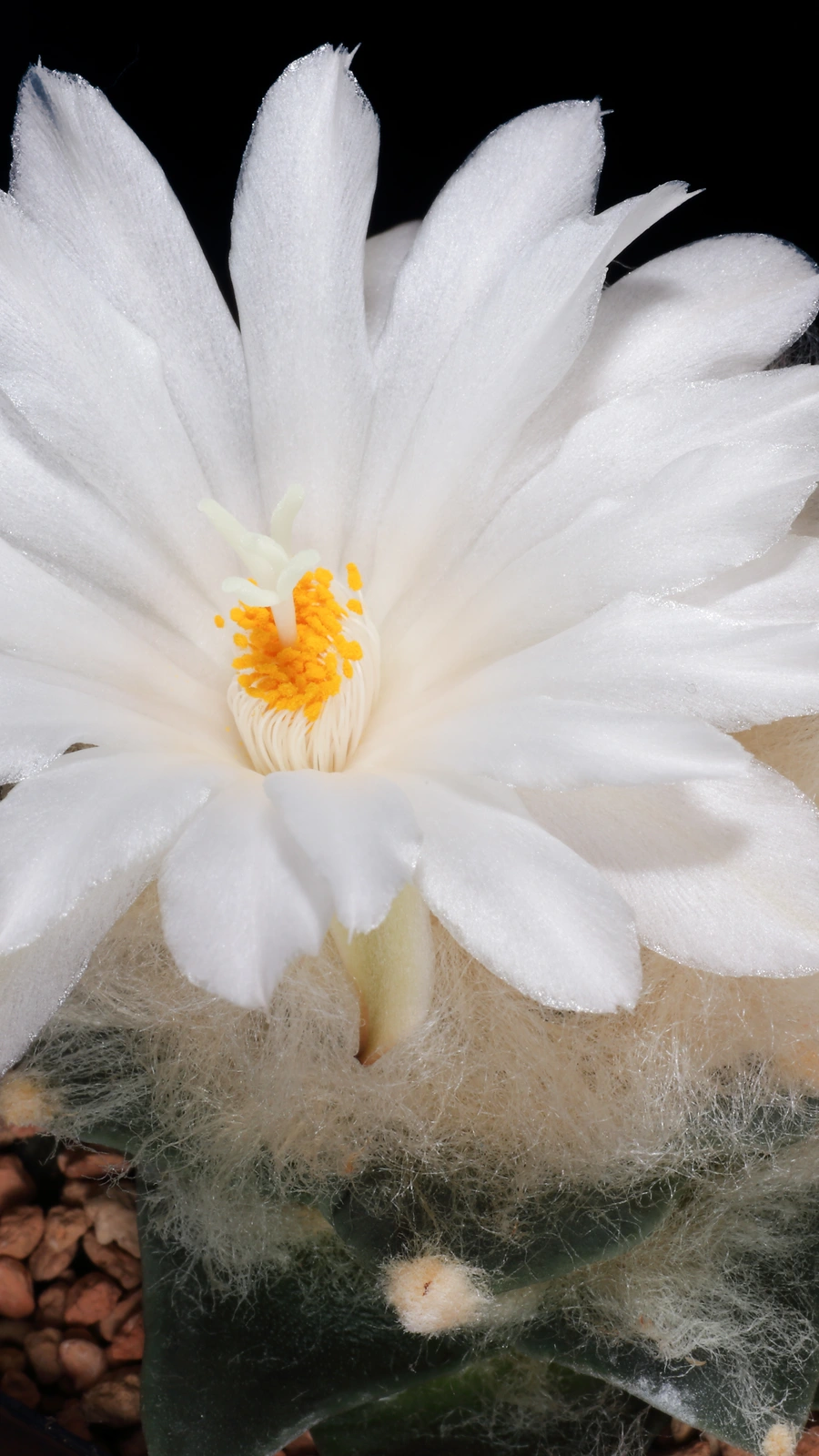
Yes. Mature plants can produce white, pink, or magenta-toned flowers. Good light, maturity, and a drier seasonal rest make flowering more likely.
Why is my Ariocarpus retusus wrinkling or going soft?
Mild wrinkling during a dry rest can be normal. Softness at the base, dark wet tissue, or a sour smell points to rot, so stop watering and inspect the roots and potting mix.
Is Ariocarpus retusus the same as Lophophora?
No. They can both look like low desert buttons, but they are different genera. Ariocarpus retusus has angular, leaf-like tubercles that form a more faceted rosette.
What should I check before buying Ariocarpus retusus?
Look for a firm body, a healthy root neck, a gritty mix, and a clear nursery label. Avoid suspicious wild-collected plants; seed-grown or nursery-propagated specimens are the ethical choice.