
Light
Direct Sun
Provide a very bright position. Increase stronger direct sun gradually to reduce scorching.
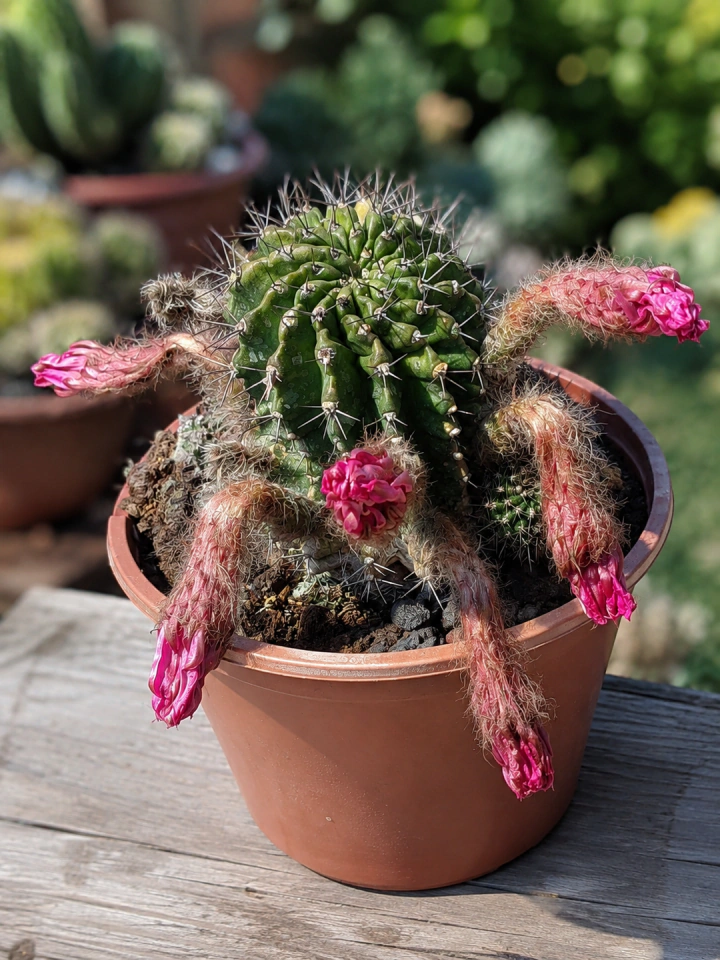
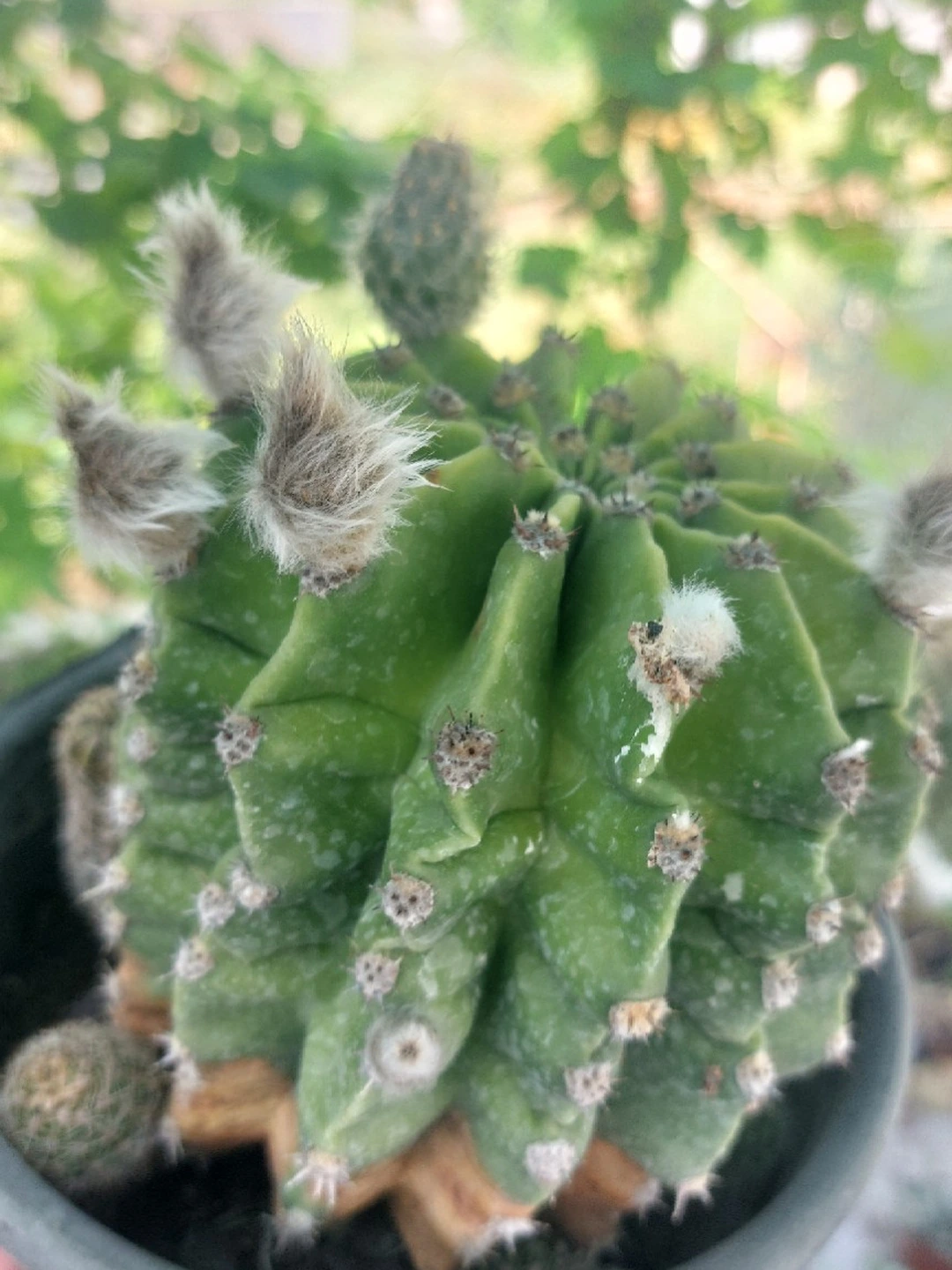
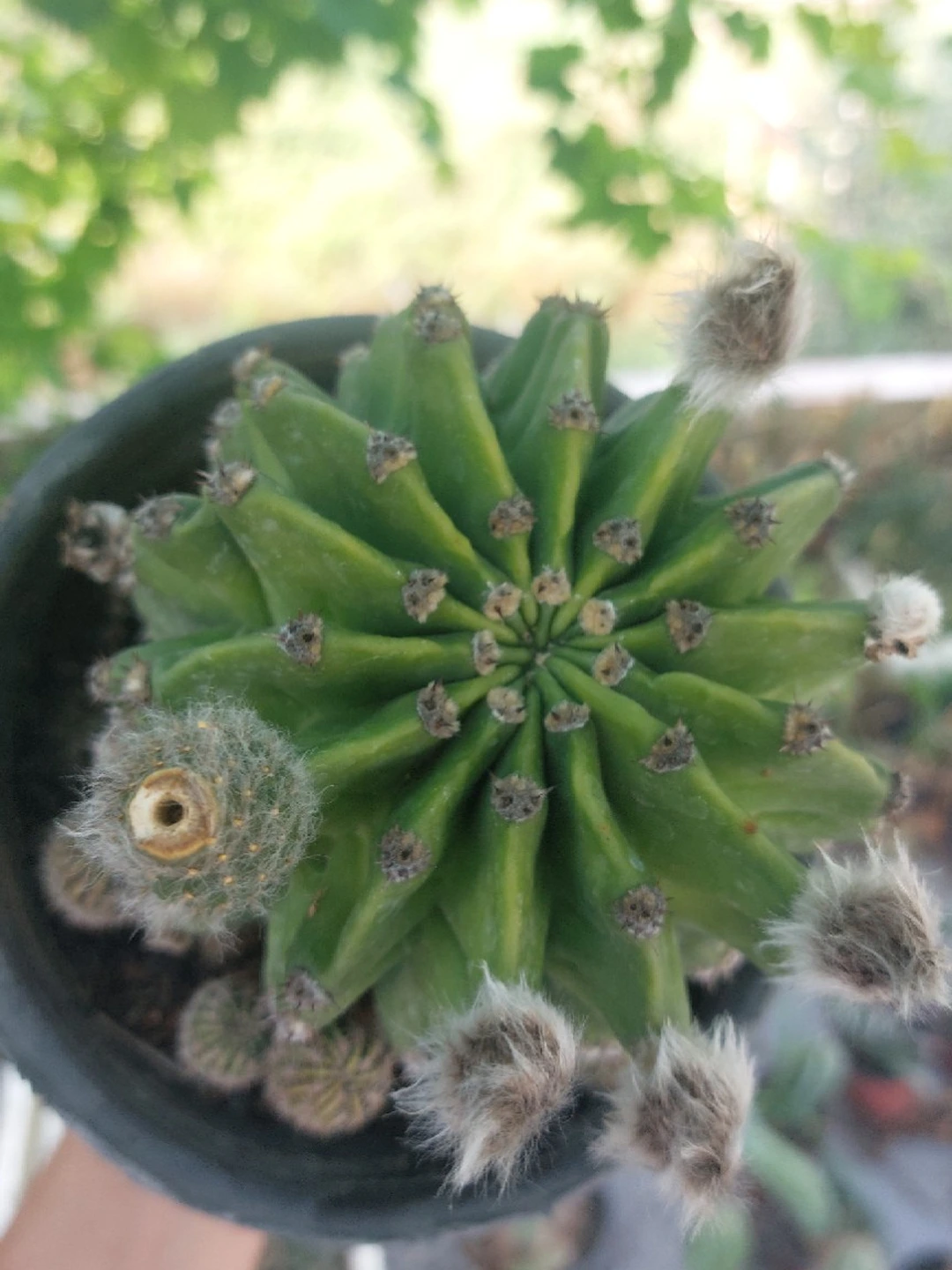
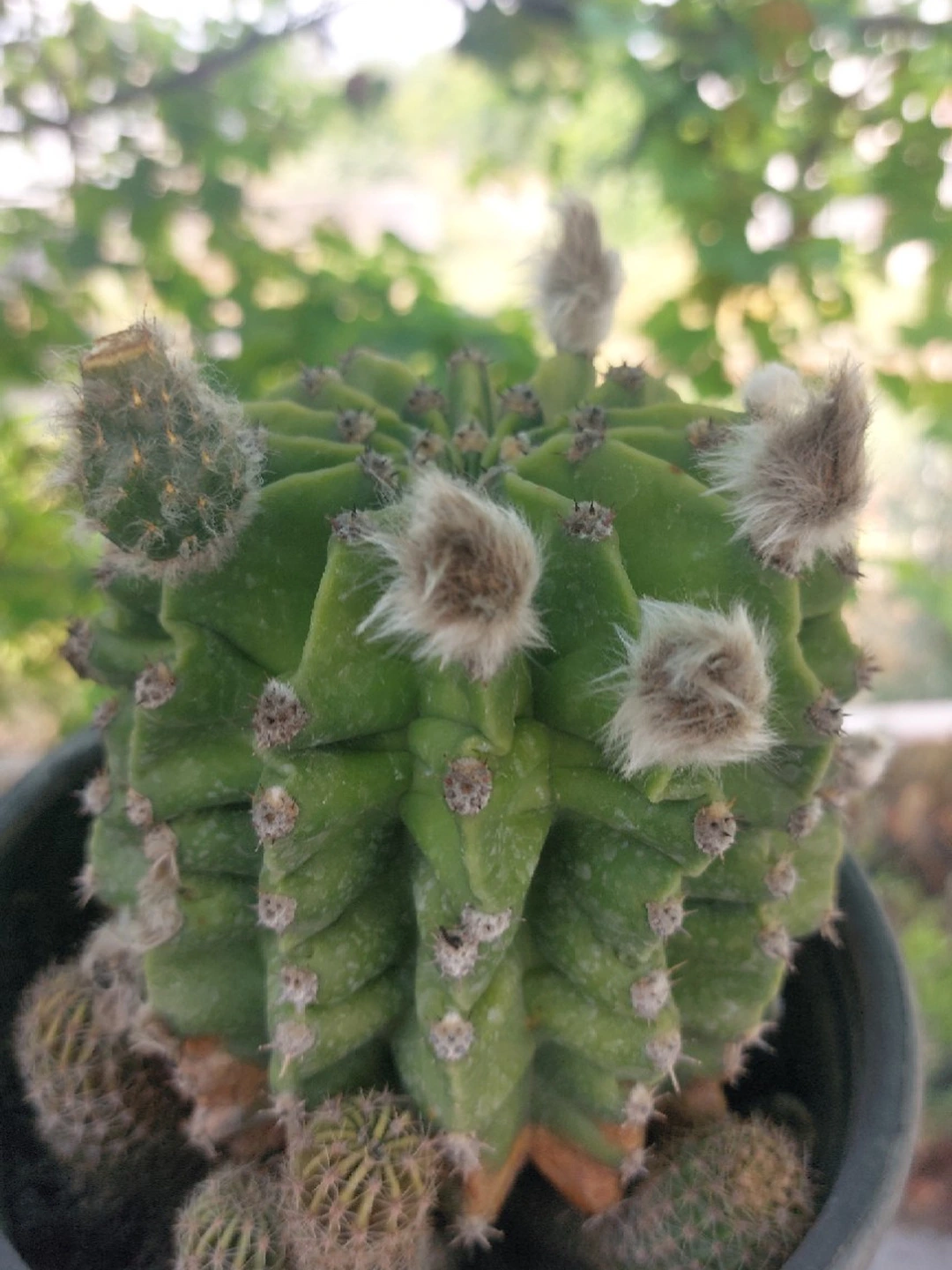
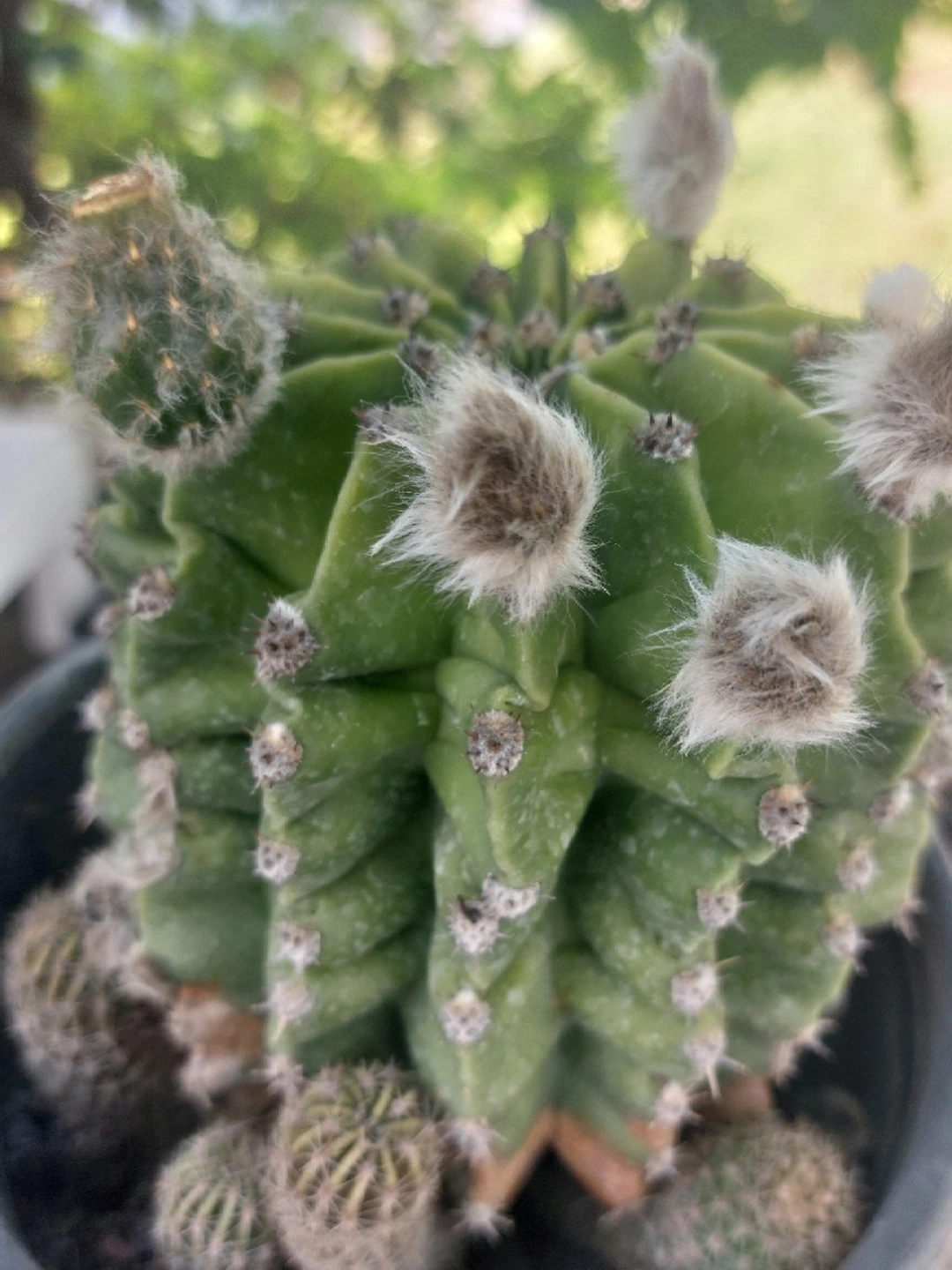
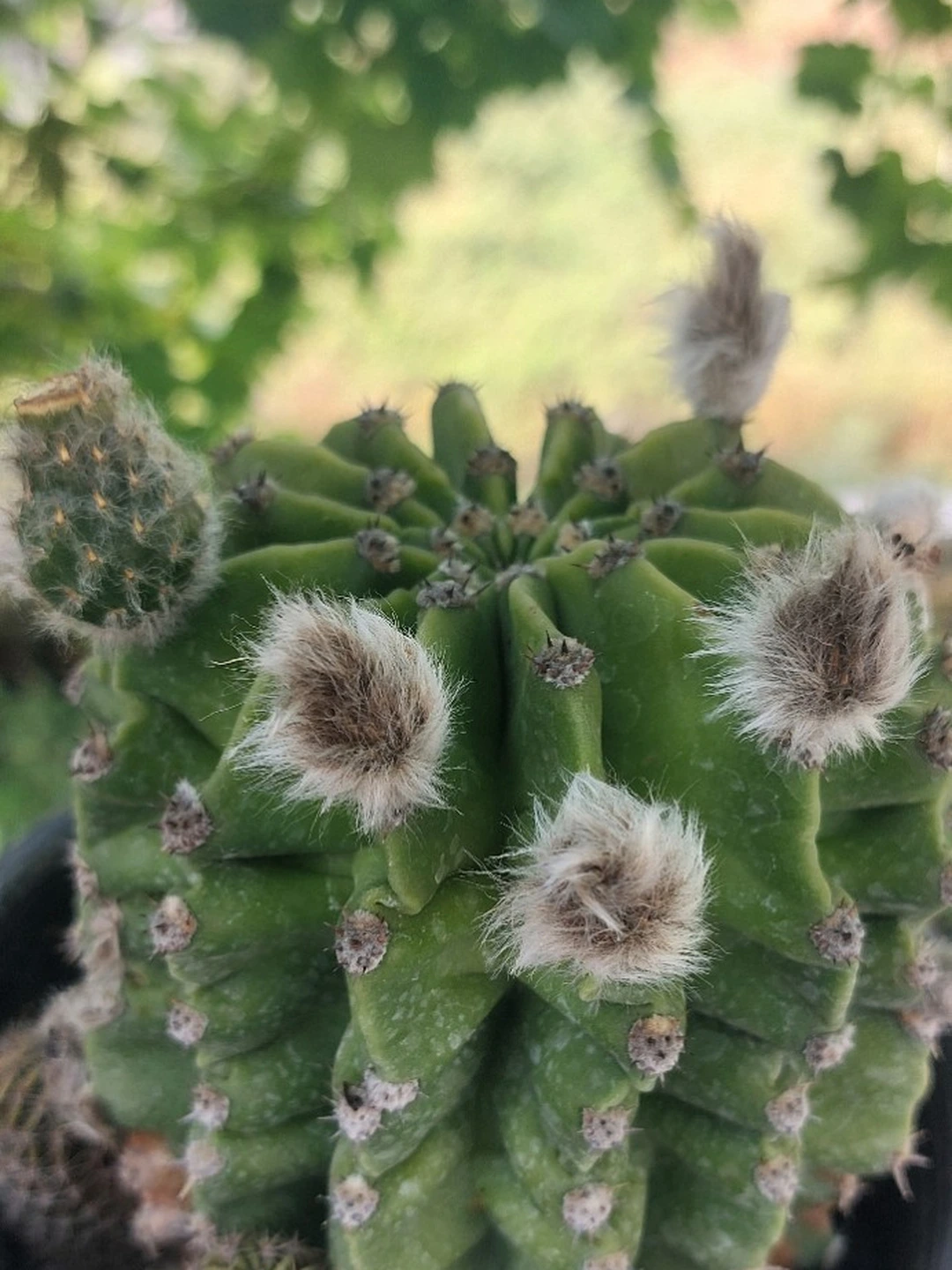
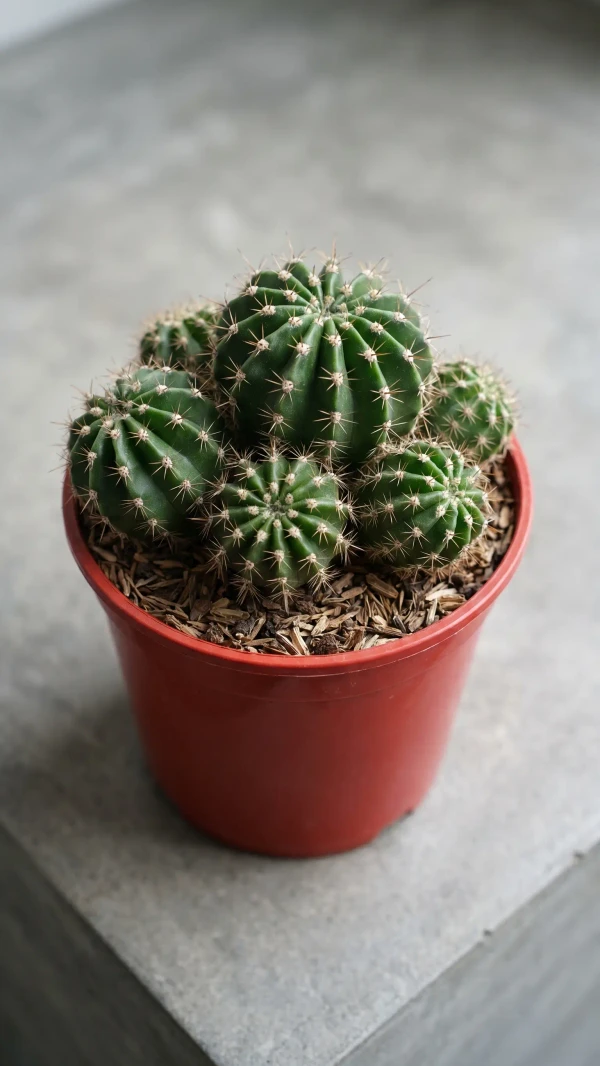
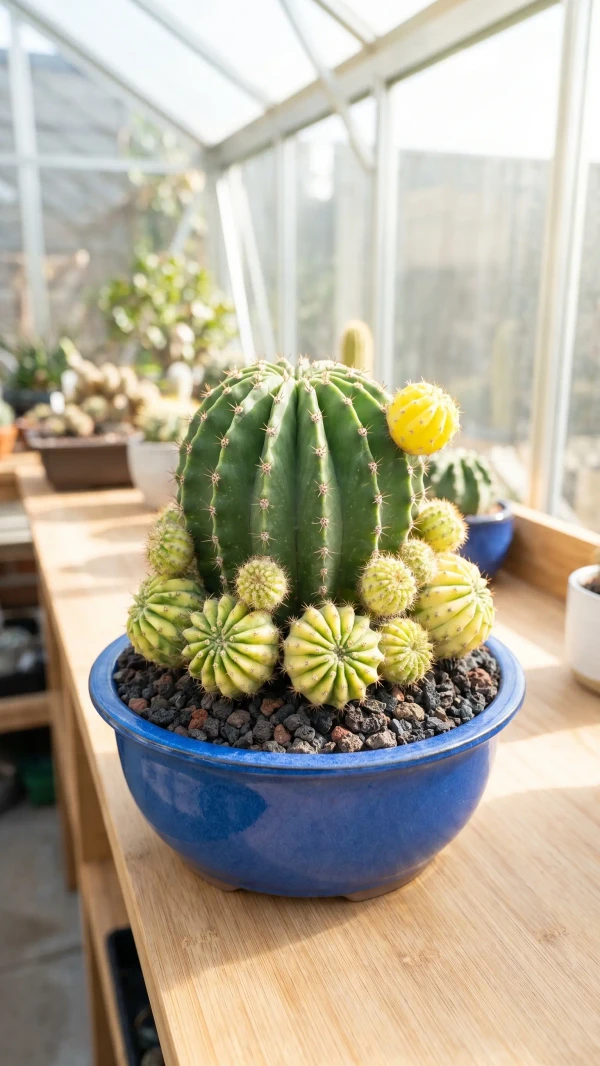
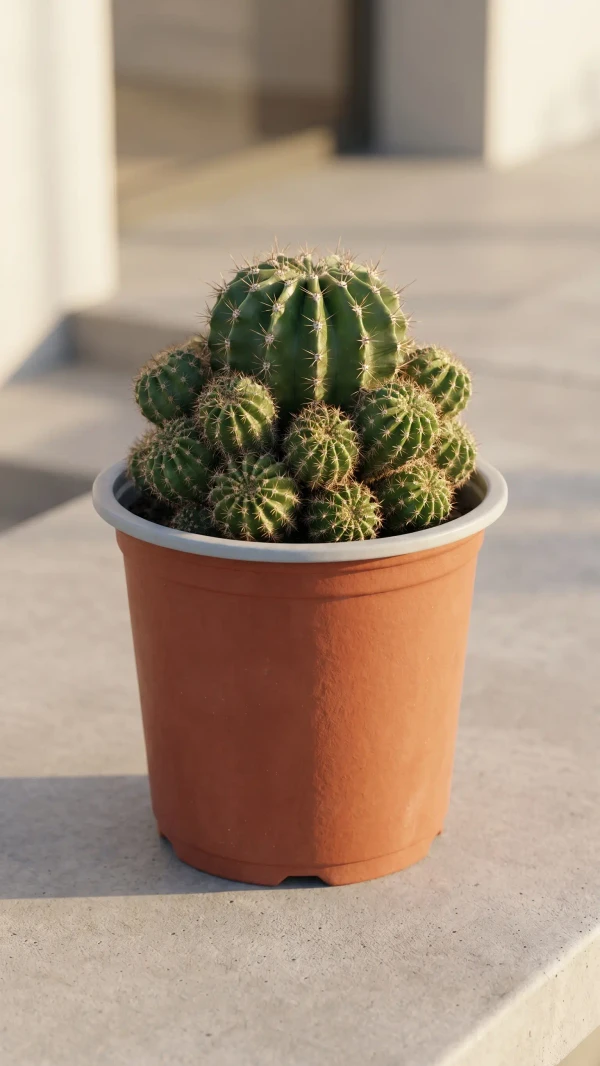
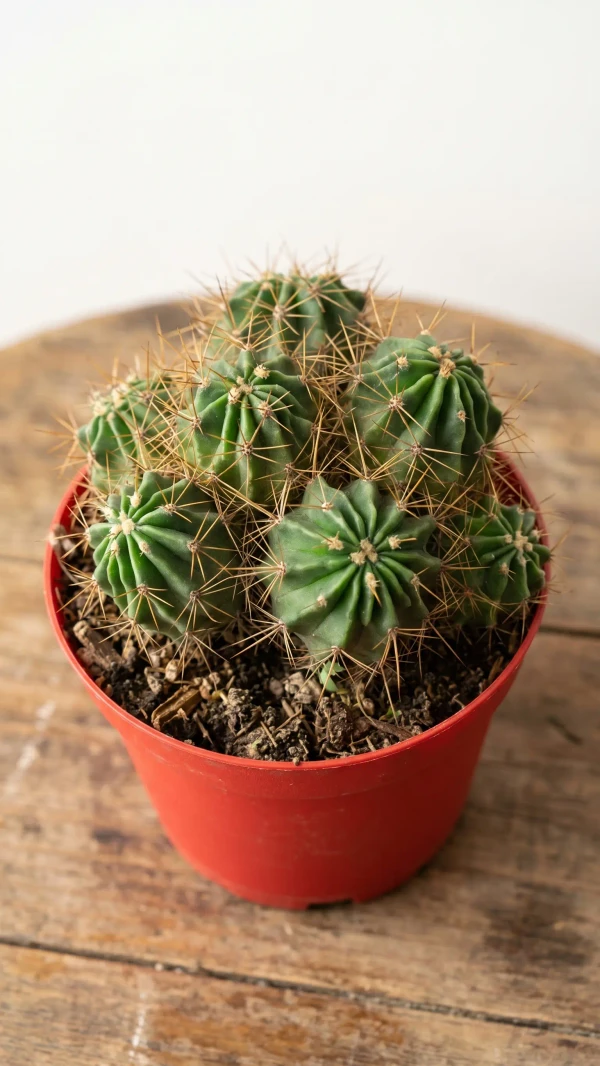
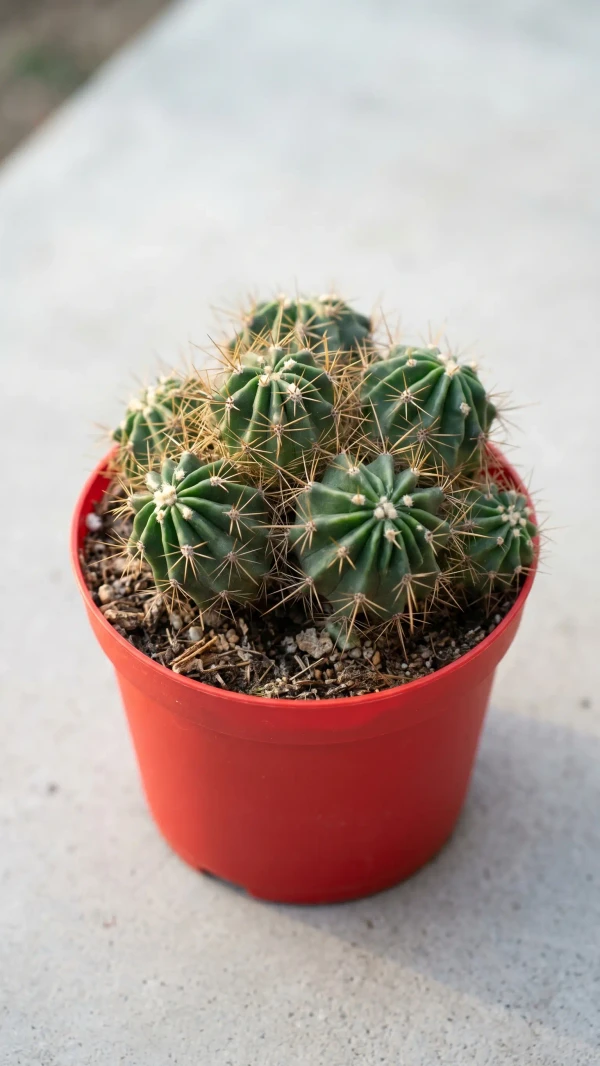
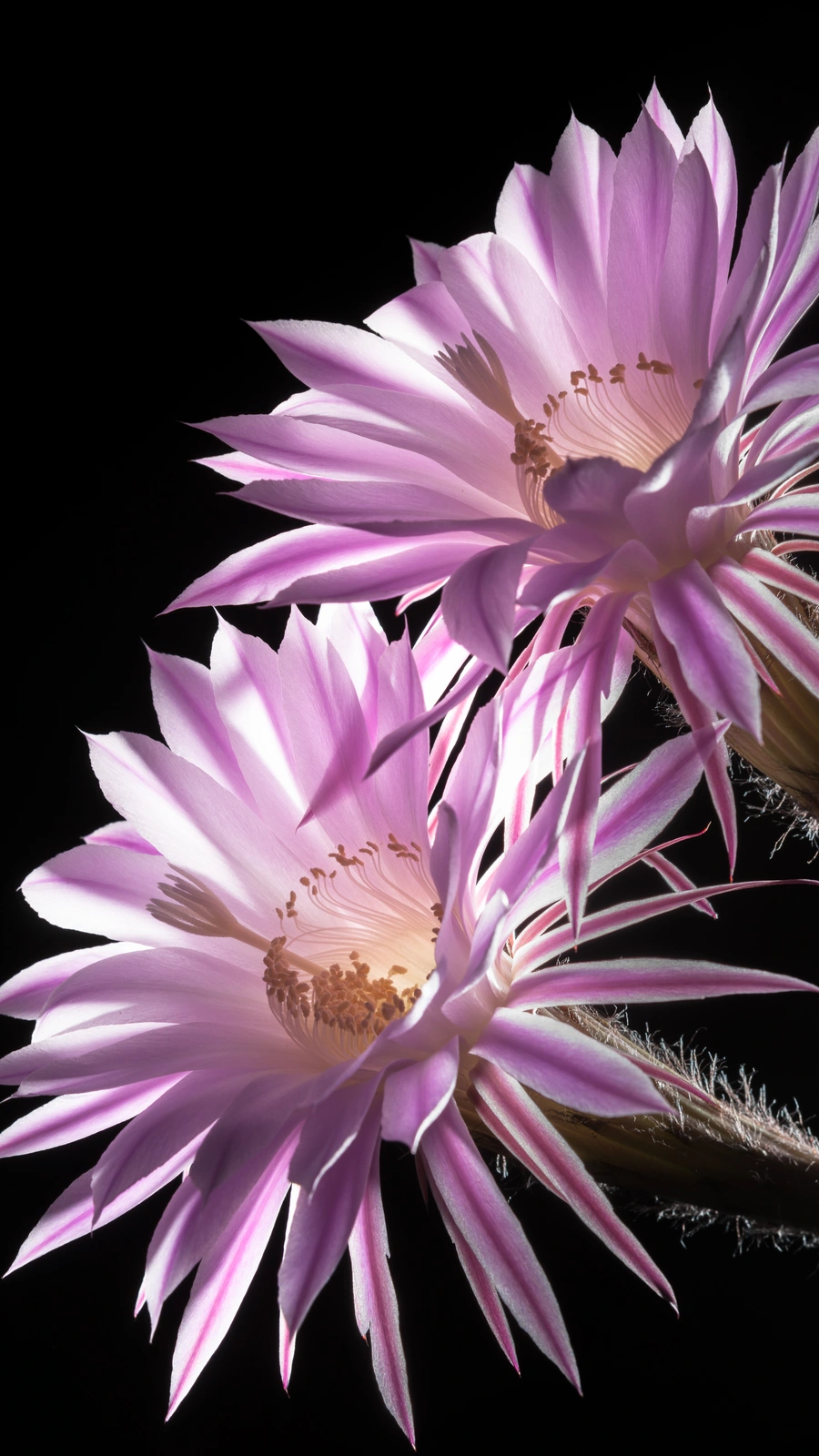 Reference image
Easter Lily Cactus
Echinopsis oxygona is treated by Plants of the World Online as an accepted species in Cactaceae. Its native range extends from southern Brazil to northeastern Argentina, with Paraguay and Uruguay also recorded as native.1
The species is known for clustered, globose to shortly cylindrical ribbed stems and short spines. The Royal Horticultural Society describes large funnel-shaped flowers that may open in the late afternoon under suitable conditions.2 Flower colour, bud count, and flowering time vary with the individual and its growing conditions; flowering is therefore not a sales guarantee.
Provide a very bright position and a fast-draining cactus mix. When moving an indoor plant into stronger direct sun, acclimate it in stages to reduce scorching. During active growth, water only after the mix has dried; reduce water substantially during cool or slow growth. Never leave the pot standing in water, and protect the plant from freezing conditions.2
The spines are not evidence of chemical toxicity, but they can cause mechanical injury. Keep the plant away from children, pets, and busy walkways.
Provide a very bright position. Increase stronger direct sun gradually to reduce scorching.
Water according to substrate dryness rather than a fixed calendar; reduce water during cool, slow growth.
Use a mineral-rich, fast-draining cactus mix in a pot with drainage holes.
No reliable species-specific chemical toxicity claim is used. The spines present a mechanical injury risk.
Manageable when light and drainage are adequate; the main risks are overwatering and abrupt sun exposure.
Plants of the World Online records the native range from southern Brazil to northeastern Argentina, including Paraguay and Uruguay.[^1] [^1]: Plants of the World Online. “Echinopsis oxygona (Link) Zucc. ex Pfeiff. & Otto.” Royal Botanic Gardens, Kew. Accessed: 2026-08-04. https://powo.science.kew.org/taxon/urn:lsid:ipni.org:names:132749-1
