
Light
Full Sun
The live `full_sun` operational enum is preserved; acclimate to strong light over several weeks and provide airflow behind hot glass.
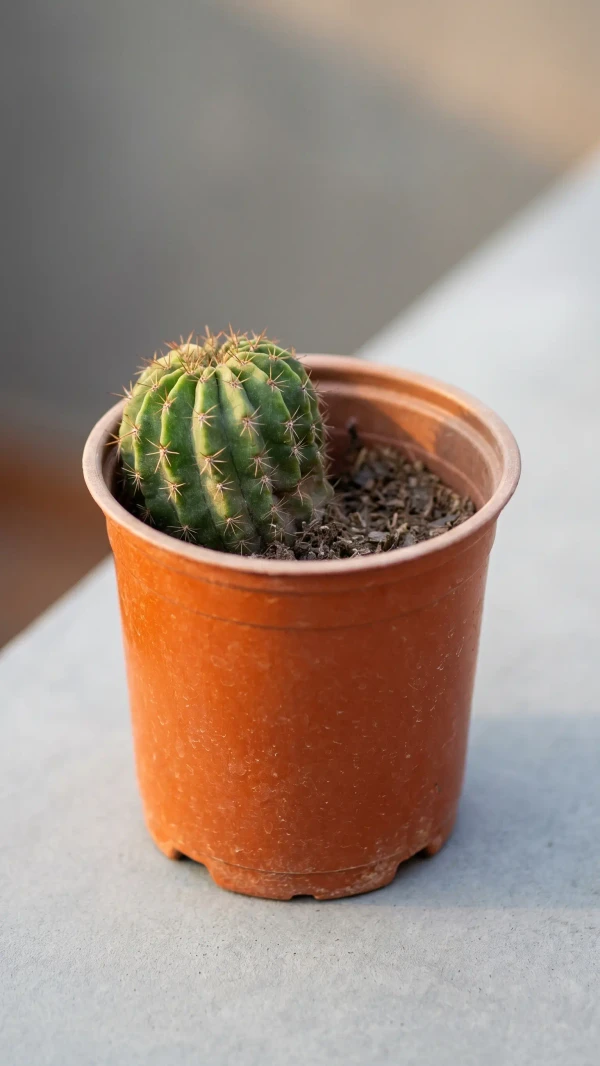
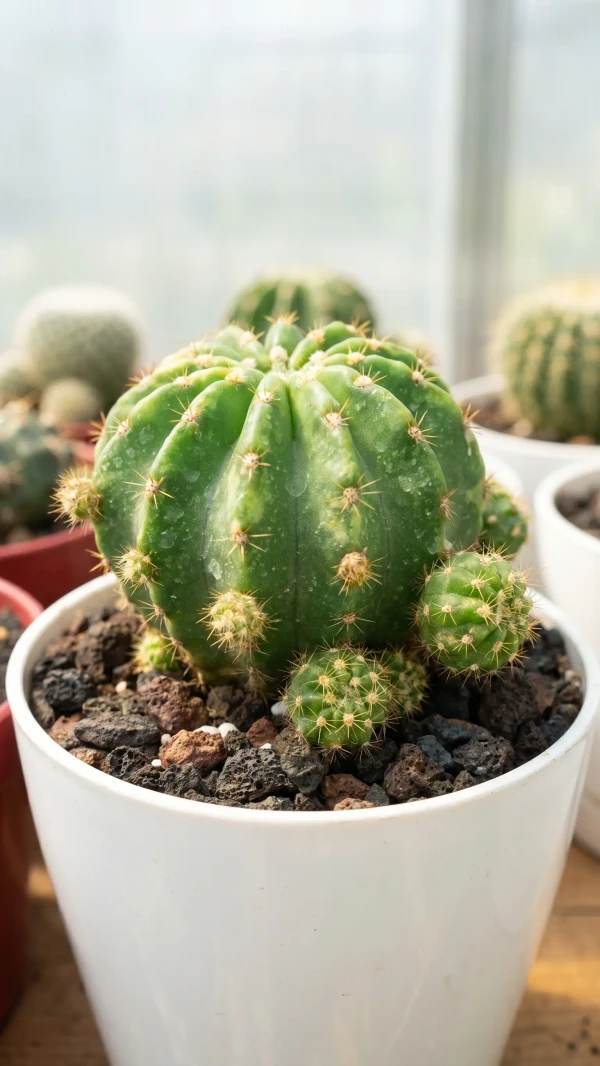
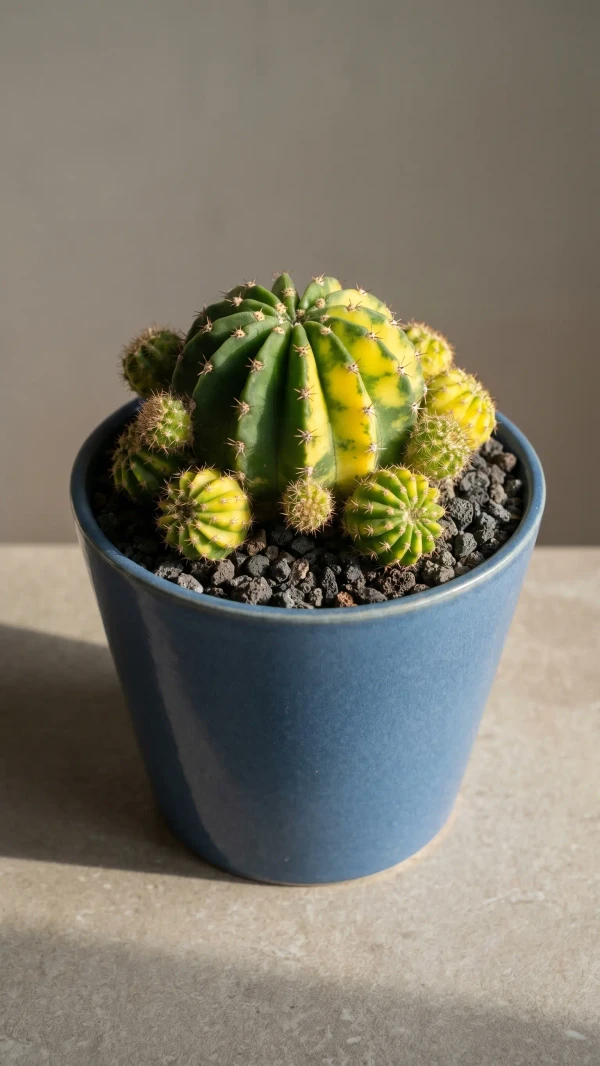
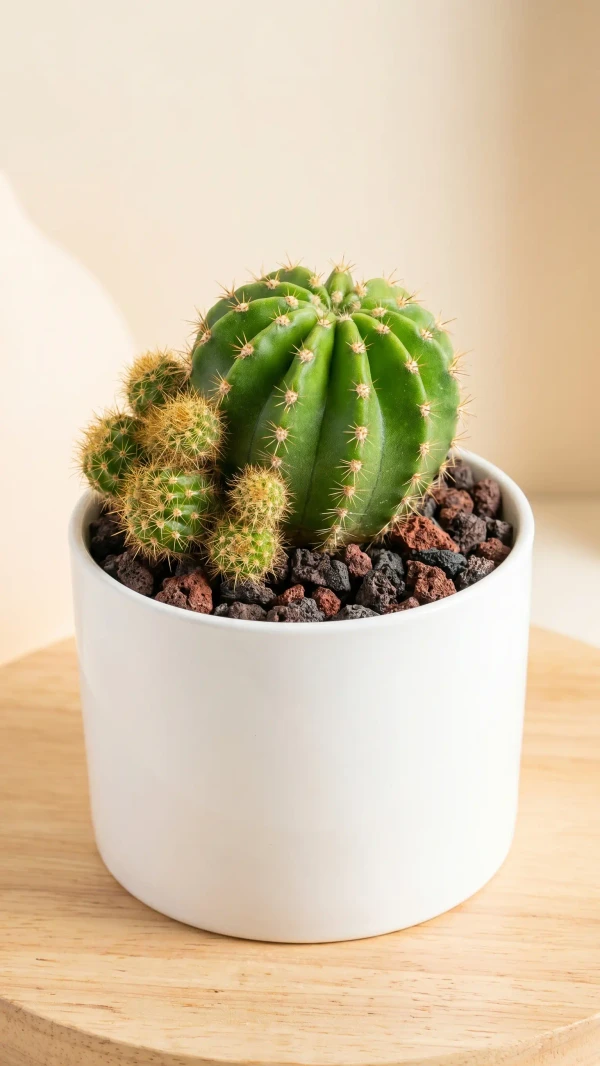
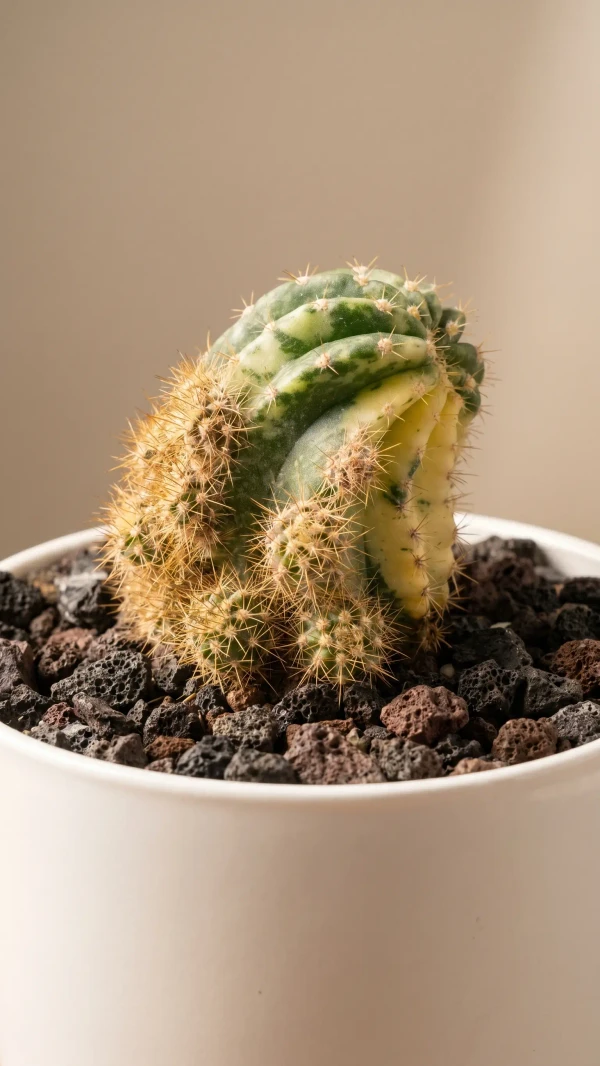
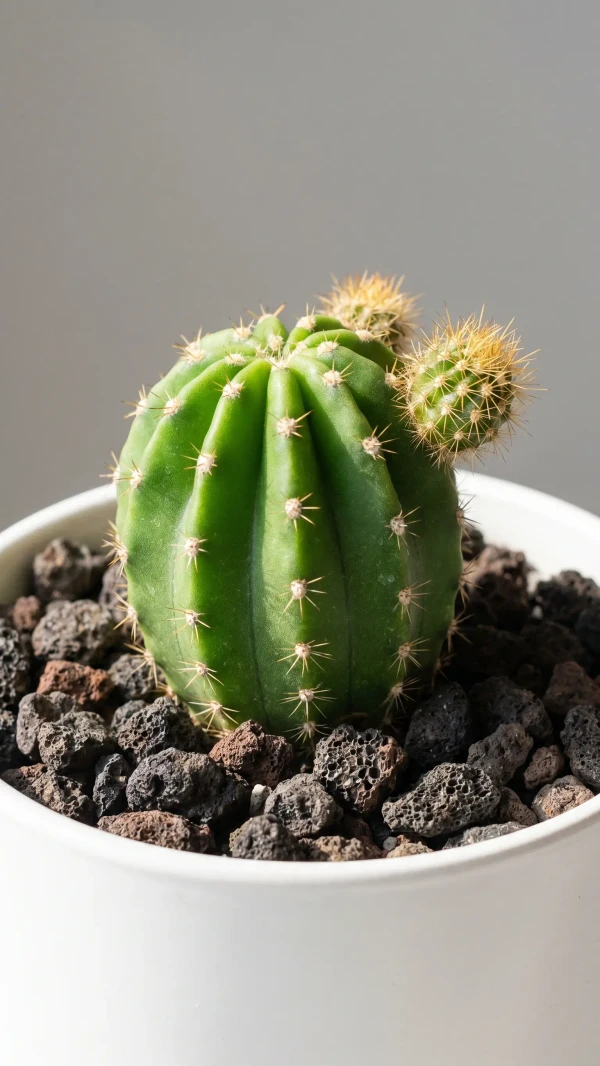
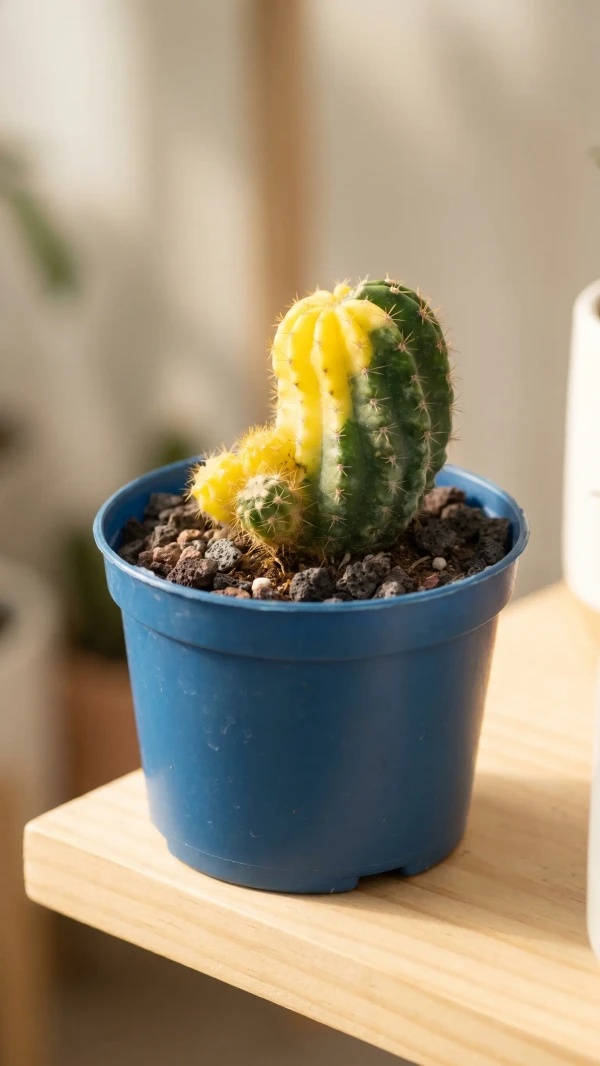
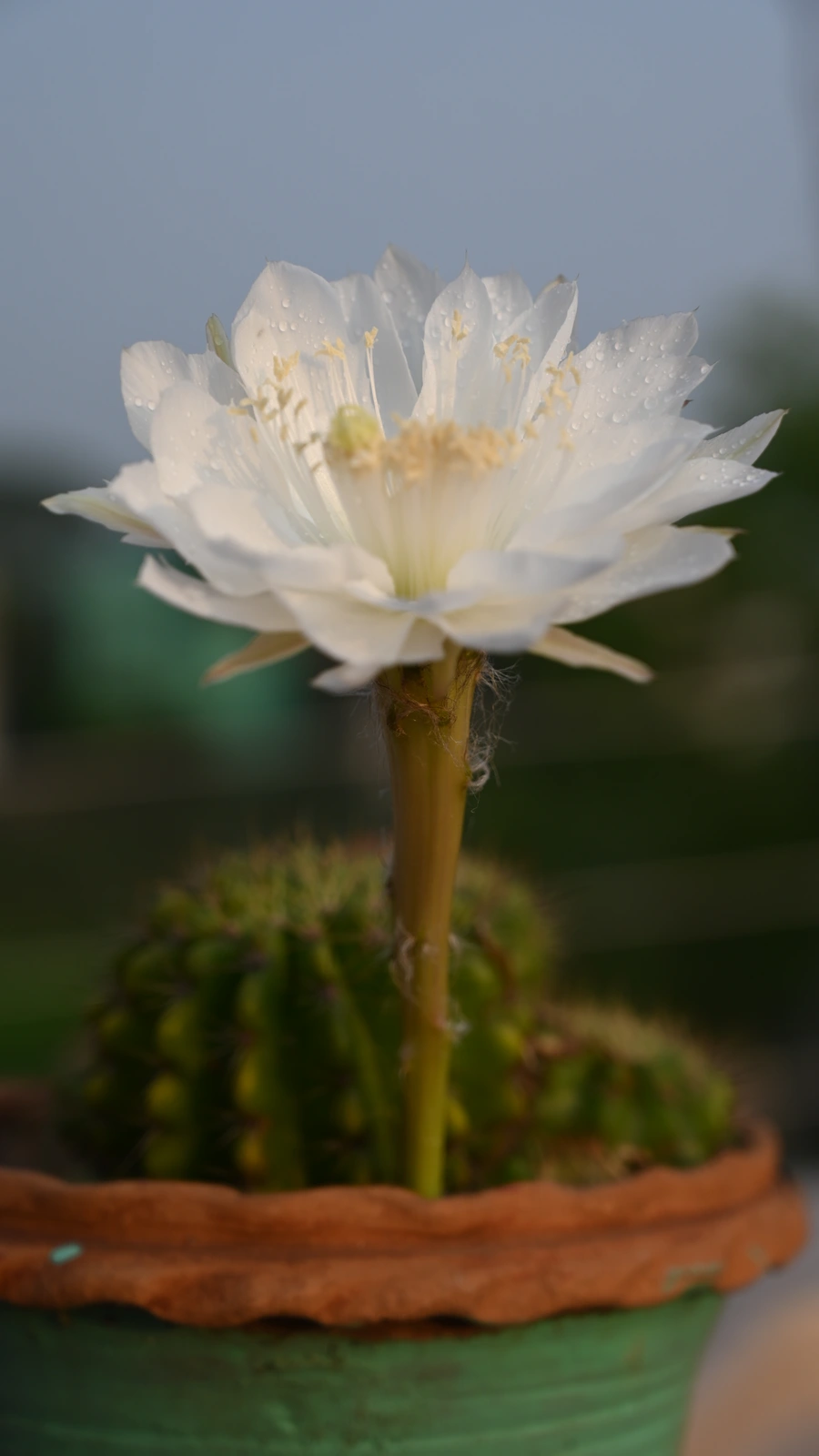 Reference image
Echinopsis calochlora is an Echinopsis capable of developing a small to medium globose or short-columnar body. A flattened-globose to short-columnar body, rib and areole pattern, spination, flowers and reliable provenance should be evaluated together. Identification should not rely on a product label or one image; body form, ribs, areoles, spines, flowers and documented provenance should be evaluated together.1
Use an airy, coarse mineral-forward mix that drains quickly and does not retain prolonged moisture around the roots. Do not use a fixed-day calendar; water in a controlled cycle after the mix and root zone have dried throughout, and extend the interval in cool or low-light periods. A dry-looking surface is insufficient; inspect the root zone as well. After repotting, allow injured roots time to dry and callus, and leave no standing water.
The live full_sun operational enum is preserved; acclimate to strong light over several weeks and provide airflow behind hot glass. Never test cold tolerance with wet roots; observe growth rate, wrinkling, colour changes and root health together. Grafting, low light or heavy feeding does not automatically change scientific identity.
The current Kew backbone maintains three synonyms: Lobivia calochlora, Echinopsis calochlora subsp. glaetzleana and E. calochlora var. claviformis. The GBIF backbone exposes a broader legacy name set; it is not automatically unioned into the current Kew canonical opinion. The live Echinopsis grandiflora row is absent from the canonical three and is removed by the taxonomy payload.
The live safe operational enum is not expanded into a new toxicology finding; use basic physical precautions for spines and unstable pots. The conservation record is NE.1 The maintained official evidence does not assert a species-level IUCN assessment, so NE is retained without inference. Documented legal nursery provenance should be preferred, and wild collection should not be encouraged.
The live `full_sun` operational enum is preserved; acclimate to strong light over several weeks and provide airflow behind hot glass.
Do not use a fixed-day calendar; water in a controlled cycle after the mix and root zone have dried throughout, and extend the interval in cool or low-light periods.
Use an airy, coarse mineral-forward mix that drains quickly and does not retain prolonged moisture around the roots.
The live `safe` operational enum is not expanded into a new toxicology finding; use basic physical precautions for spines and unstable pots.
Live operational care class: moderate.
East Bolivia to Brazil.[^1] [^1]: Plants of the World Online. “Echinopsis calochlora K.Schum..” Royal Botanic Gardens, Kew. Accessed: 2026-08-06. https://powo.science.kew.org/taxon/urn%3Alsid%3Aipni.org%3Anames%3A88345-2 [^2]: Global Biodiversity Information Facility. “Echinopsis calochlora backbone cross-check.” Accessed: 2026-08-06. https://www.gbif.org/species/7282088
