
Light
Full Sun
The live `full_sun` operational enum is preserved; gradual transition to strong light, airflow in hot periods and epidermis observation are required.
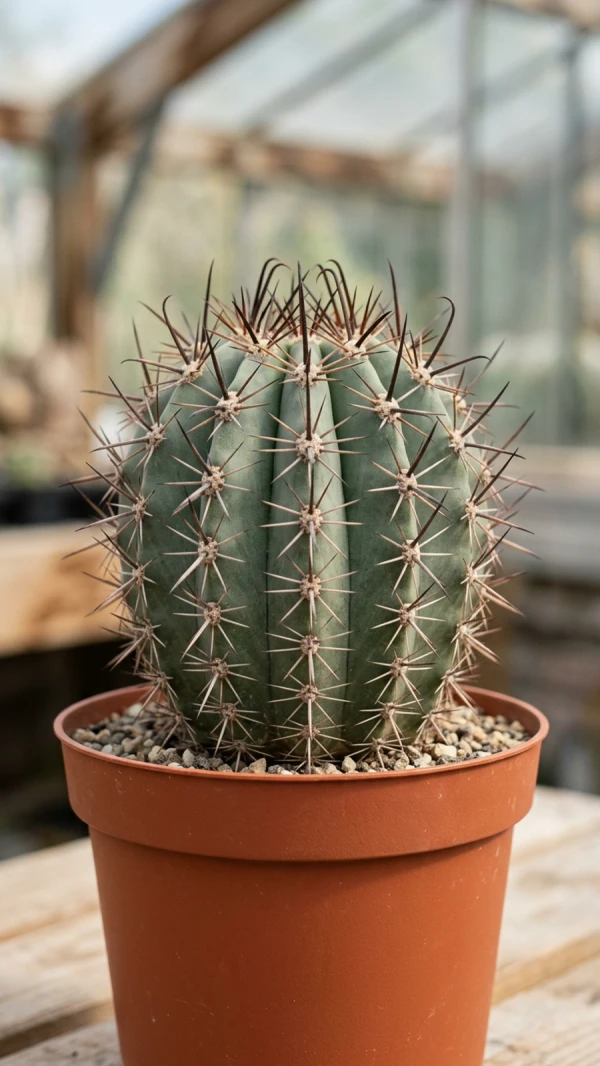
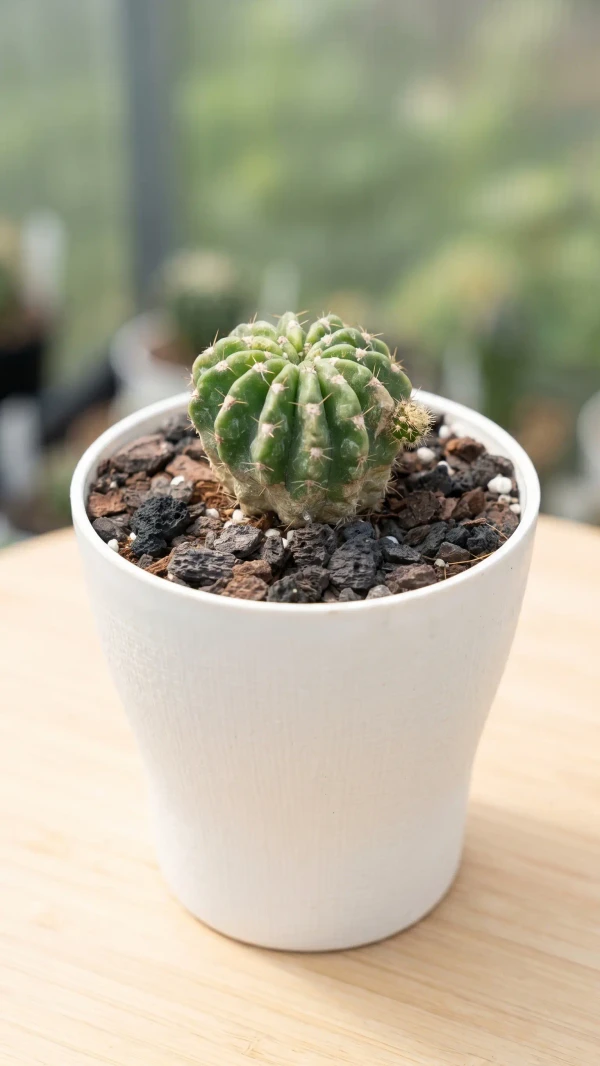
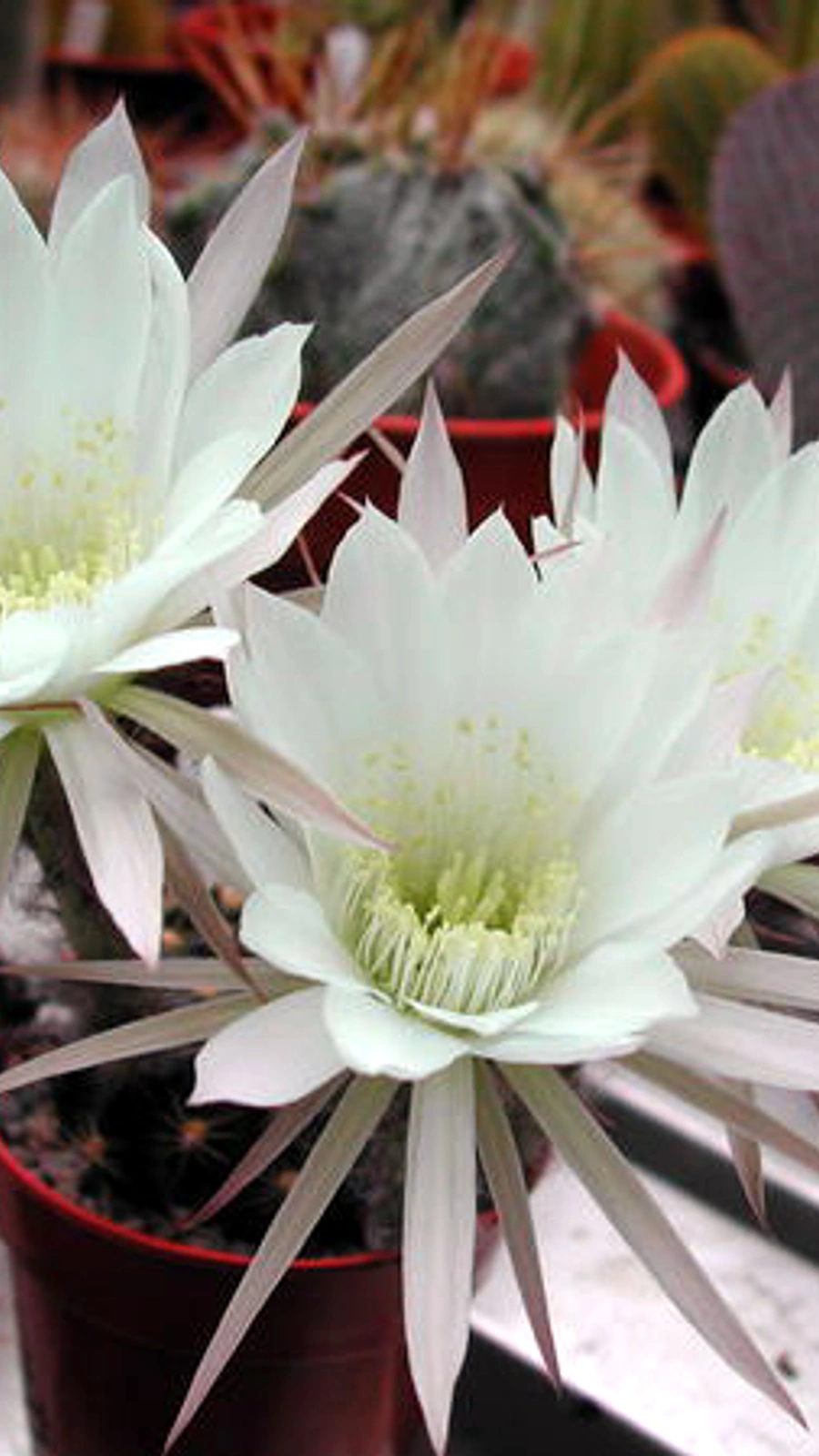 Reference image
Echinopsis ancistrophora is an Echinopsis capable of developing a small to medium globose or short-columnar body. A globose to short-columnar body, rib and areole pattern, potentially hooked spines, flowers and reliable provenance should be evaluated together. Identification should not rely on a product label or one image; body form, ribs, areoles, spines, flowers and documented provenance should be evaluated together.1
Use an airy, coarse mineral-forward cactus mix that drains quickly and does not leave prolonged moisture around the roots. Do not use a fixed-day calendar; water in a controlled cycle after the root zone and mix have dried throughout, and extend the interval in cool or low-light periods. A dry-looking surface is insufficient; inspect the root zone as well. After repotting, allow injured roots time to dry and callus, and leave no standing water.
The live full_sun operational enum is preserved; gradual transition to strong light, airflow in hot periods and epidermis observation are required. Never test cold tolerance with wet roots; observe growth rate, wrinkling, colour changes and root health together. Grafting, low light or heavy feeding does not automatically change scientific identity.
Kew lists 31 nomenclatural source records; two Echinopsis hamatacantha records with the same name and author are represented by one production row whose note preserves both publications, leaving 30 unique synonym rows. Echinopsis subdenudata is one of them, while the production Domino record is a separate cultivar taxonomy and commerce surface below the accepted species. The synonym E. subdenudata is not recreated as an accepted species; the Echinopsis ancistrophora ‘Domino’ cultivar node, botanical record and product remain unchanged.
The live caution operational enum is preserved; use basic precautions for spines, unstable pots and unknown chemical exposure. The conservation record is VU.2 The official IUCN-linked target is VU, replacing the former live LC; the correction belongs only to the botanical conservation field. Documented legal nursery provenance should be preferred, and wild collection should not be encouraged.
The live `full_sun` operational enum is preserved; gradual transition to strong light, airflow in hot periods and epidermis observation are required.
Do not use a fixed-day calendar; water in a controlled cycle after the root zone and mix have dried throughout, and extend the interval in cool or low-light periods.
Use an airy, coarse mineral-forward cactus mix that drains quickly and does not leave prolonged moisture around the roots.
The live `caution` operational enum is preserved; use basic precautions for spines, unstable pots and unknown chemical exposure.
Live operational care class: moderate.
Northwest Argentina.[^1] [^1]: Plants of the World Online. “Echinopsis ancistrophora Speg..” Royal Botanic Gardens, Kew. Accessed: 2026-08-05. https://powo.science.kew.org/taxon/urn%3Alsid%3Aipni.org%3Anames%3A132593-1 [^2]: IUCN Red List of Threatened Species. “Echinopsis ancistrophora.” https://www.iucnredlist.org/species/152130/121459530
