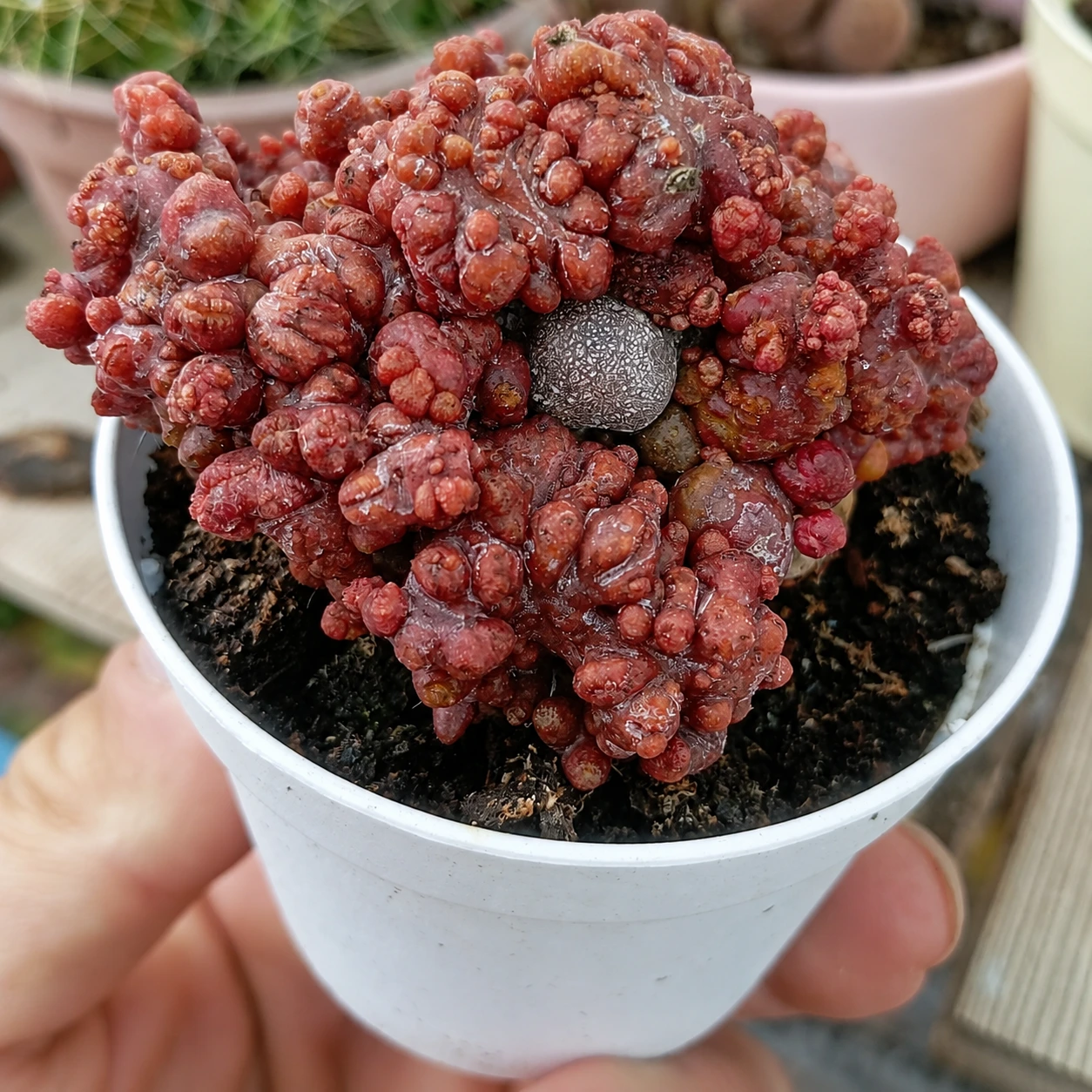
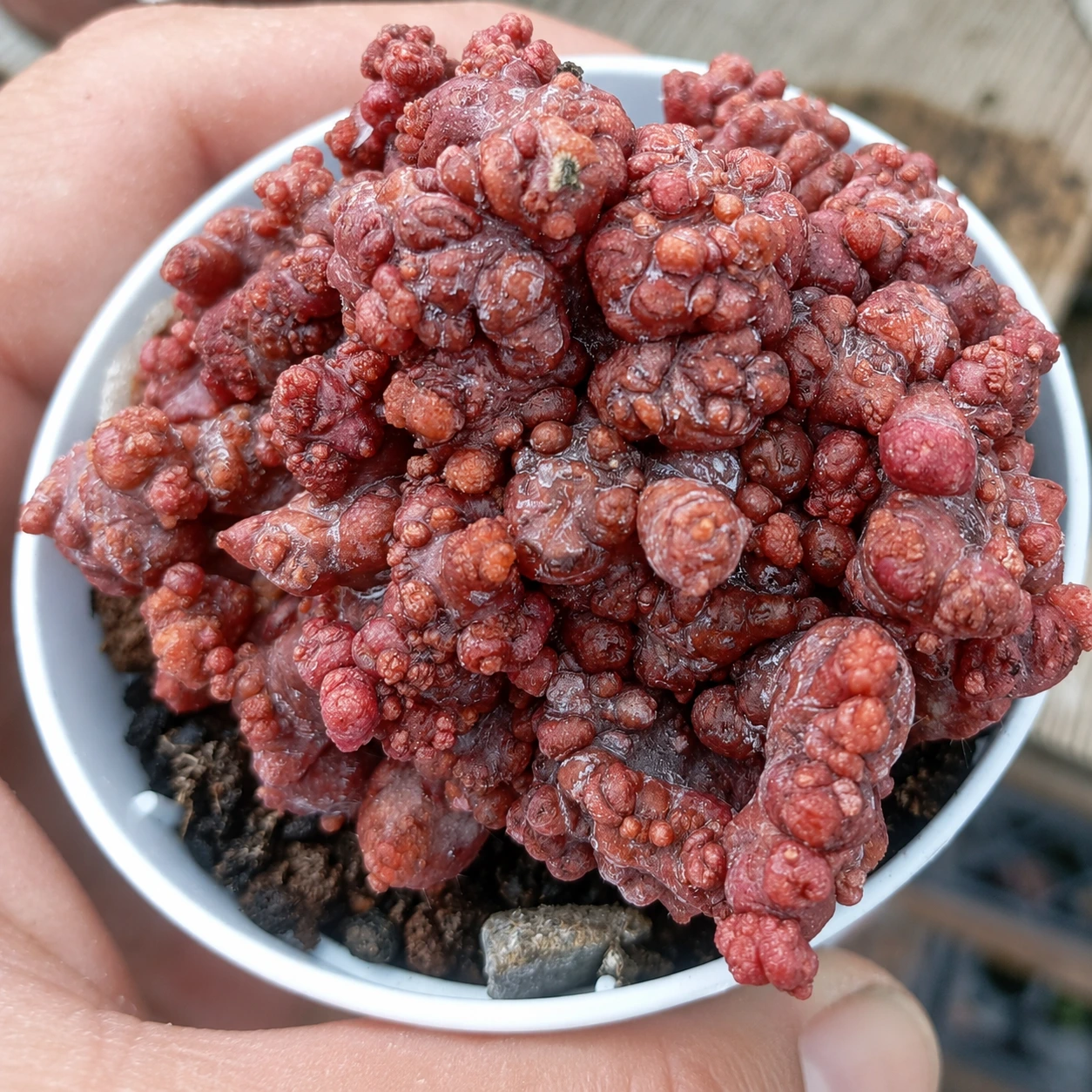
TRY 12,000
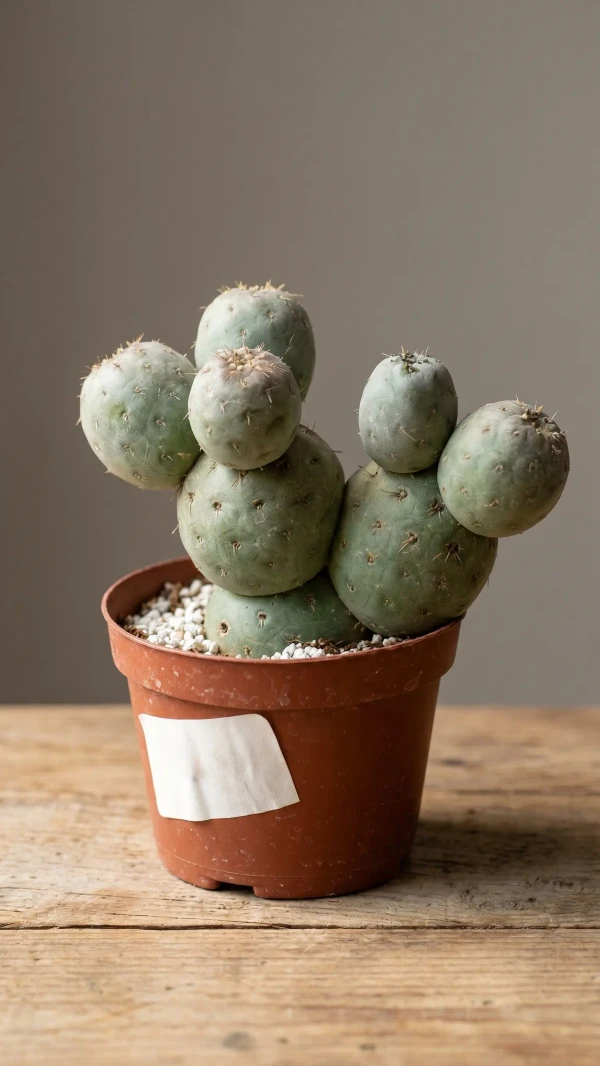
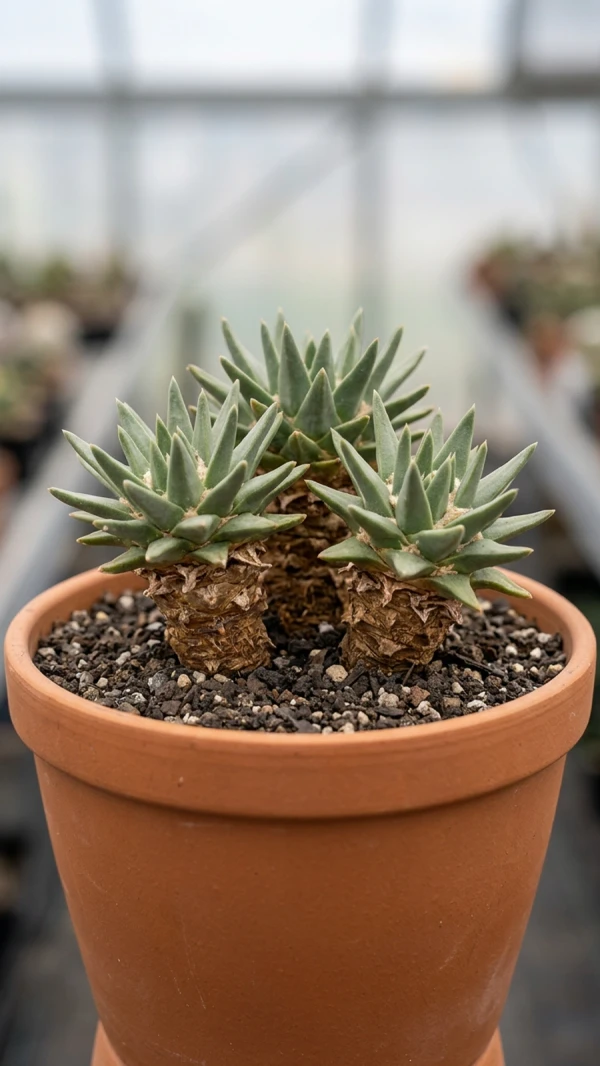
A single, slow-growing collector plant with a stone-like body and high specimen value.
Meet our special plant collection grown in greenhouses under the Çukurova sun. Learn the world of species with our botanical dictionary, and keep them thriving for generations with our care guides.
Browse current plants with images, prices, stock status, and key details.
You do not need to know every plant name. Start with a group that matches your needs and browse from there.
Use the plant dictionary to read more about origin, growth habit, and care needs.
Dictionary Entry
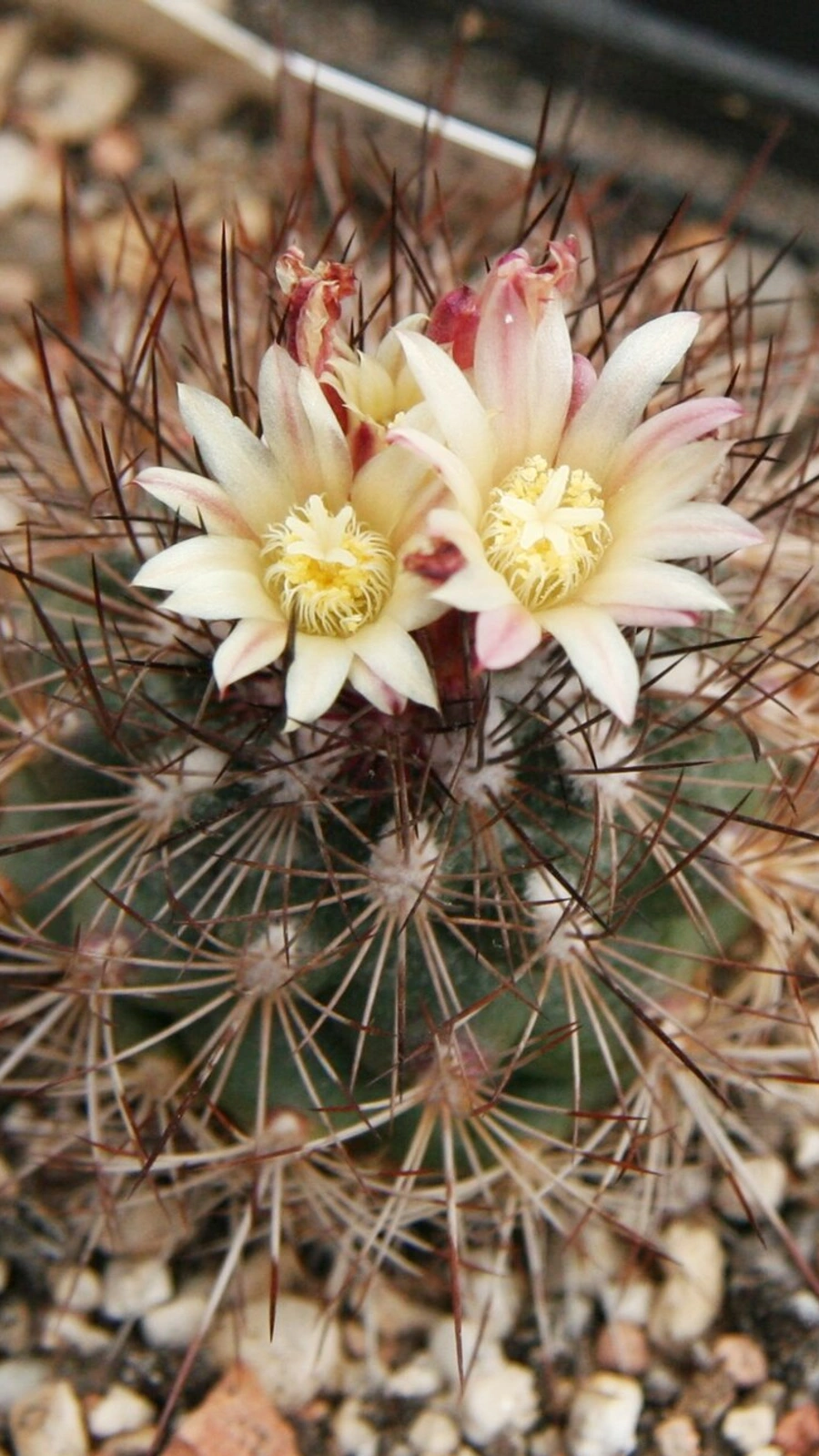
Ferocactus latispinus
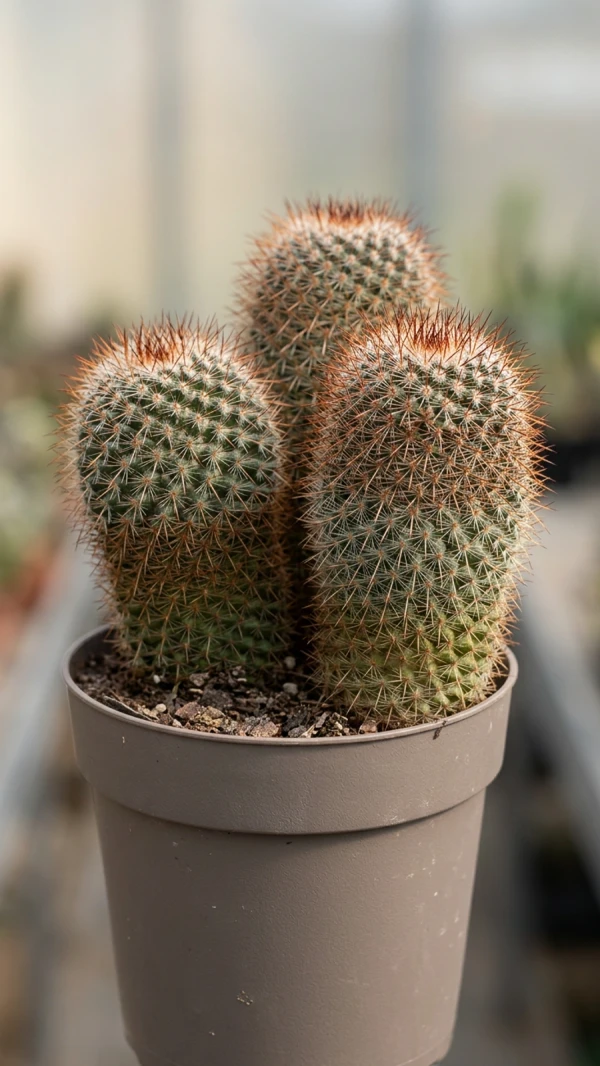
Description Ferocactus latispinus is a strongly spined barrel cactus known for its flattened, often reddish central spines and compact architectural body. On the commercial product page it is presented with the buyer friendly name “Devil’s Tongue Cactus”; in the botanical dictionary, the record keeps the scientific name. Current botanical references treat Ferocactus latispinus (Haw.) Britton & Rose as an accepted species in Cactaceae. GBIF places it at species rank in the genus Ferocactus and lists a range of older names and synonyms around the same taxon. The visual identity of the plant comes from the contrast between its rounded, ribbed body and its assertive hooked spines. Young plants remain compact, while older individuals may become more barrel shaped. The common name is not a scientific character; it is a memorable trade name inspired by the flattened, curved spine profile. For identification, the rib structure, areoles and spine arrangement are more reliable than the common name. Native range and habitat POWO/Kew links the native range of the species to Mexico, from Durango to Puebla, and records it as a plant of desert or dry shrubland biomes. This should not be confused with the production origin of a commercial plant. Native range describes wild distribution; production origin describes where the plant offered for sale was grown or sourced. Kaktüs Doktoru keeps those two concepts separate. Habitat notes from specialist cactus references connect the species with rocky slopes, dry shrublands and mineral soils with rapid drainage. This does not mean a home grower must recreate the habitat perfectly. It does mean that the root zone should never remain wet for long. Dense, peat heavy mixes and decorative pots without drainage are common causes of decline. The Arizona Sonora Desert Museum also presents the plant as a strong potted or patio specimen with a distinctive winter flowering character in cultivation notes. Cultivation Give Ferocactus latispinus strong light, a gritty cactus mix and a patient watering rhythm. After delivery, allow the plant to settle for about a week before watering. When the mix is fully dry, water thoroughly and let excess water drain away. In winter or in cool low light conditions, keep the plant much drier. This is not a cactus that “needs no water”; it is a cactus that needs water at the right time in a fast draining medium. Light should be bright. If the plant was grown under filtered nursery light, introduce direct sun gradually rather than placing it immediately under harsh midday exposure. Strong light helps the plant keep its compact shape and spine character, while weak light increases the risk of soft growth and watering mistakes. Conservation and trade note IUCN linked references generally treat Ferocactus latispinus as a species of lower conservation concern than many rare collector cacti, but ethical sourcing still matters. Commercial plants should not be implied to be wild collected. For a responsible collection, choose nursery produced plants with clear sourcing and avoid material that could add pressure to wild populations. Cultivation note Devil’s Tongue Cactus is a strong looking, rewarding cactus, but the spines are serious. Keep it away from places where children or pets may brush against it. The safe routine is simple: stable bright position, no watering during the first settling week, then water only after the potting mix has dried through. Common confusion points Ferocactus latispinus is often grouped under the broad idea of “barrel cactus,” but the flattened, curved central spines give it a more specific identity. When choosing a plant, look beyond size. Healthy spine development, a firm matte body and a clean root neck are better quality signs than a wet shiny surface or a decorative pot with standing water. Cultivation and placement note In a batch product, each plant may show slightly different spine angles and body proportions. That is normal. Place it where it receives strong light and some airflow. Avoid leaving it on a dark shelf for long periods. If you use a decorative outer pot, always check that water is not trapped inside after watering. References
Dictionary Entry
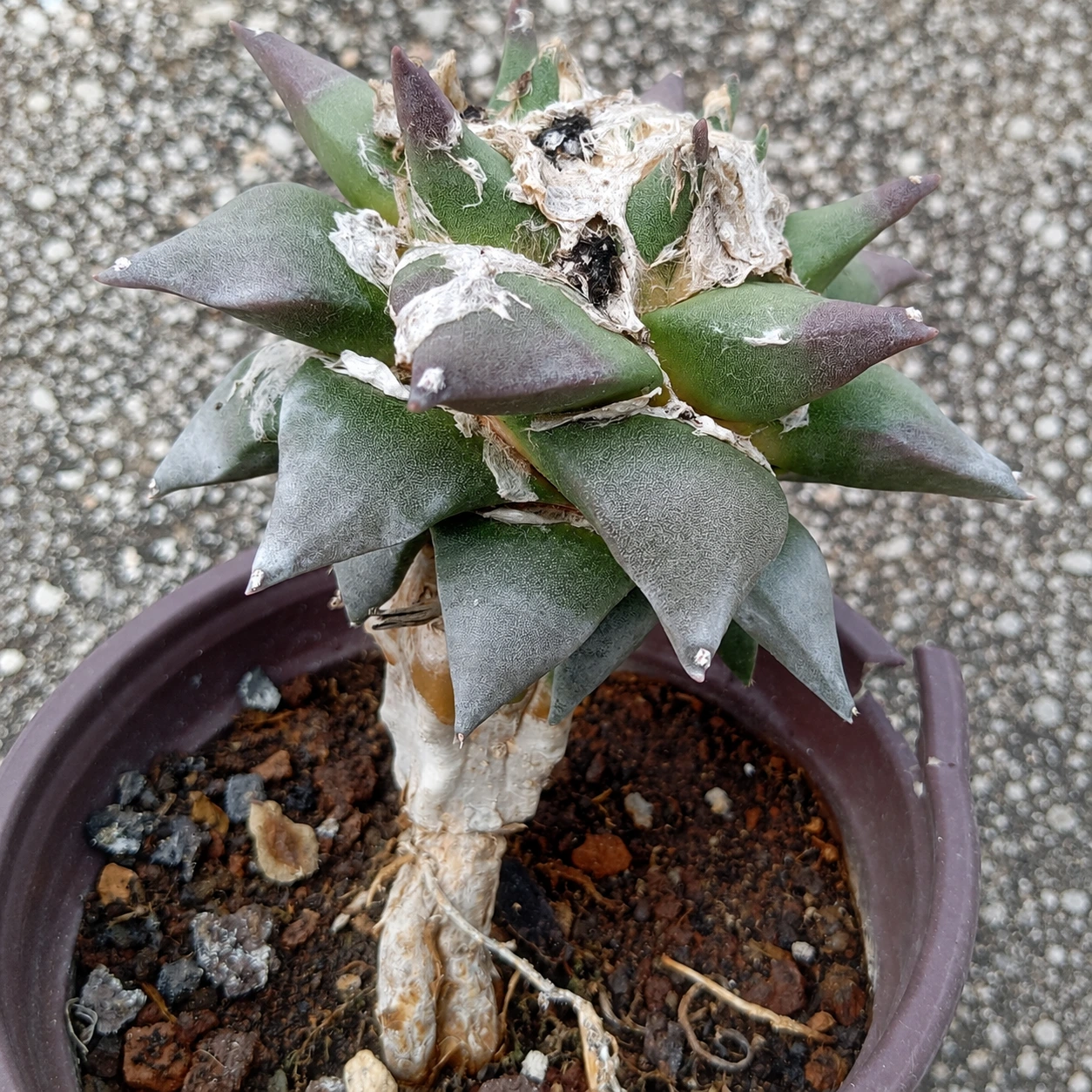
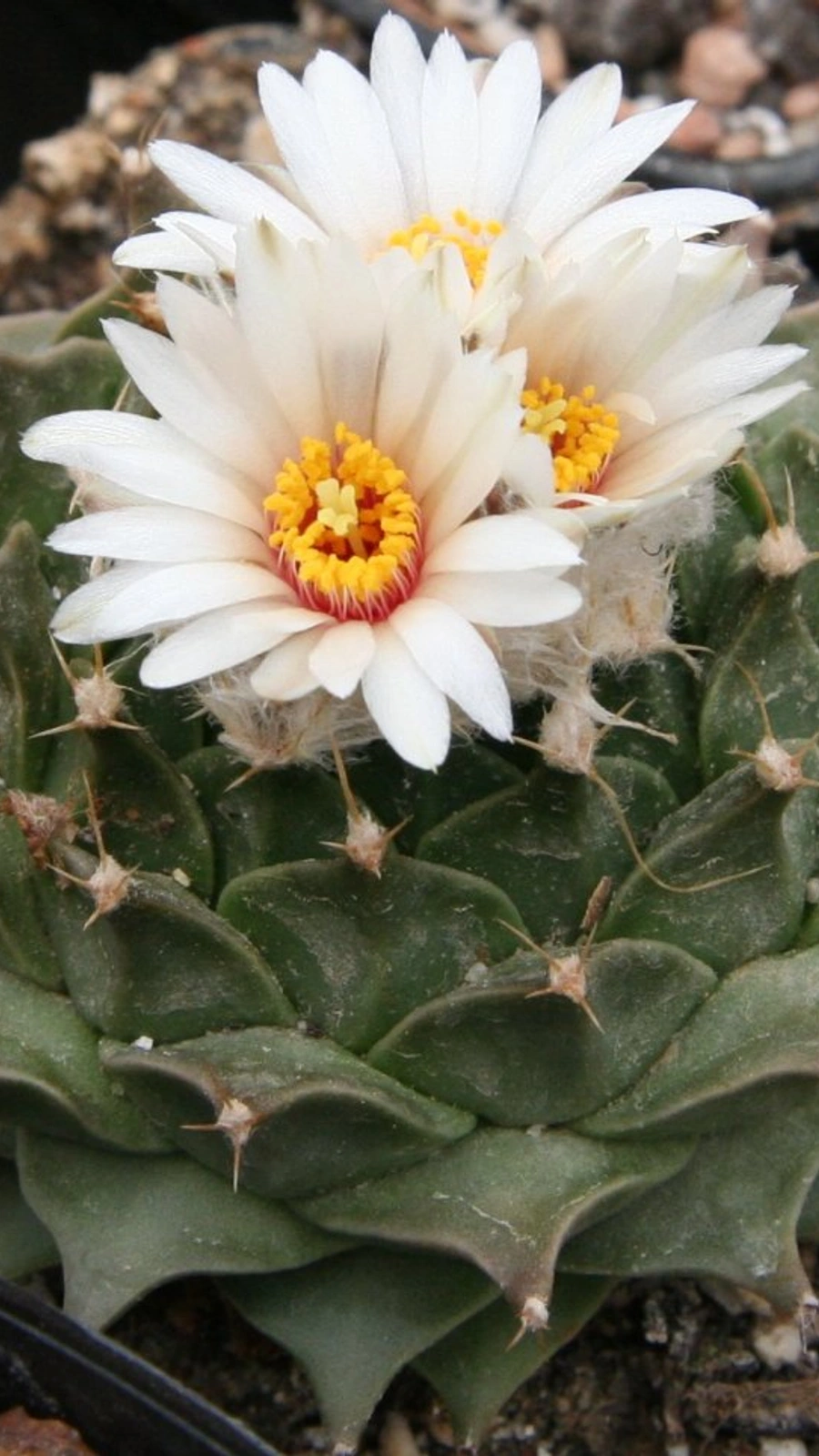
Ariocarpus retusus
Description Ariocarpus retusus is a slow, stone like cactus that does not behave like the common mental image of a cactus. It has no dramatic spine display; instead it forms a low rosette of thick triangular tubercles that make the plant look almost geological. On the product page it can be presented with the buyer friendly name “Living Rock Cactus.” In the botanical dictionary, the display name remains Ariocarpus retusus Scheidw. POWO/Kew treats the name as accepted, and GBIF places it at species rank in the genus Ariocarpus. The appeal of this plant is patience. Ariocarpus retusus does not promise fast growth, quick offsets or easy flowers. It rewards stable care and time. The low body and textured tubercles help the plant blend into limestone and rocky habitats in nature; in a collection, the same structure gives it the calm, sculptural quality that makes Ariocarpus plants highly prized. Native range and habitat POWO records Ariocarpus retusus as native to northeastern Mexico, associated with dry biomes. Specialist cactus references describe it from limestone and rocky slopes in semi desert vegetation. For cultivation, this does not mean the grower should blindly copy habitat conditions. It means the plant should never sit in a wet, dense, organic mix. A mineral, fast draining medium and restraint with watering are essential. The plant’s survival strategy is conservative. Much of its mass is close to the soil line, and the root system is sensitive to long periods of moisture. A slightly wrinkled body does not automatically mean the plant should be watered immediately. In cool conditions, after transport, or after repotting, watering too soon is often more dangerous than waiting. Conservation and ethical sourcing Ariocarpus is a sensitive collector genus. Kew’s CITES cactus guide lists Ariocarpus spp. among Appendix I cactus groups, and CITES material notes the restricted Mexican distribution of Ariocarpus retusus. This does not mean nursery grown plants cannot exist in cultivation; it means sourcing must be honest. The product should never be implied to be wild collected. If provenance is known, it should be recorded in the product metadata. For a collector, value is linked to age, root health, form and documented origin rather than simple size. A single specimen listing is appropriate when the photographs represent the actual plant. If future inventory uses representative images, the product page should say so clearly. Cultivation Give Ariocarpus retusus bright light with protection from abrupt harsh exposure. A newly received plant should be allowed to settle before watering. Use a gritty mineral cactus mix and a pot with drainage. Water only when the pot has dried thoroughly; in cool months, keep the plant almost dry. Fertilizer, if used, should be weak and limited to the active growing season. Avoid frequent repotting and unnecessary root inspection. Ariocarpus roots are not a playground. Stable conditions matter more than constant adjustment. The safest routine is simple: bright position, dry rest after arrival, careful watering in warm active periods, and a dry winter. Cultivation note Living Rock Cactus is best for someone who enjoys slow plants and does not need constant visible growth. It is not a “set it anywhere” beginner cactus, but it is manageable when the rules are respected. Do not water during the first settling week. Do not disturb the roots. Give it light, drainage and patience. Common confusion points Ariocarpus retusus is often described as difficult, but the real challenge is respecting its rhythm. Frequent handling, unnecessary repotting, and watering every time the body looks slightly wrinkled can create more problems than patience. A healthy Ariocarpus may appear unchanged for long periods. That stillness is often normal. Cultivation and placement note For a single collector specimen, photographic clarity matters. If the photos show the exact plant, state it clearly. Do not remove the plant from its pot just to inspect the roots after arrival. Choose a bright, stable position, use a mineral mix and observe first. With this genus, restraint is part of the care routine. References
Dictionary Entry
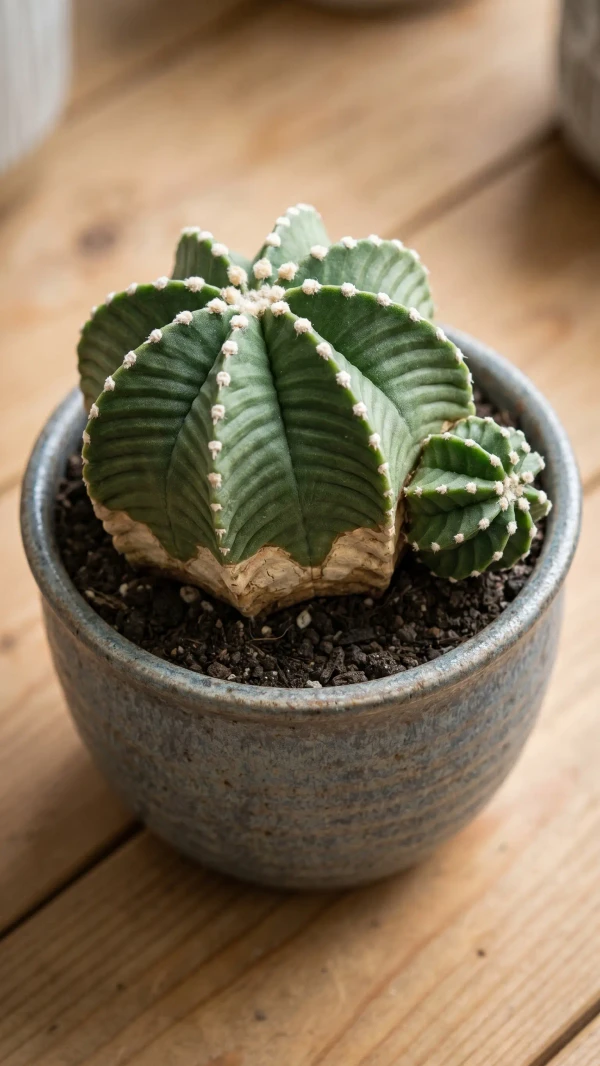
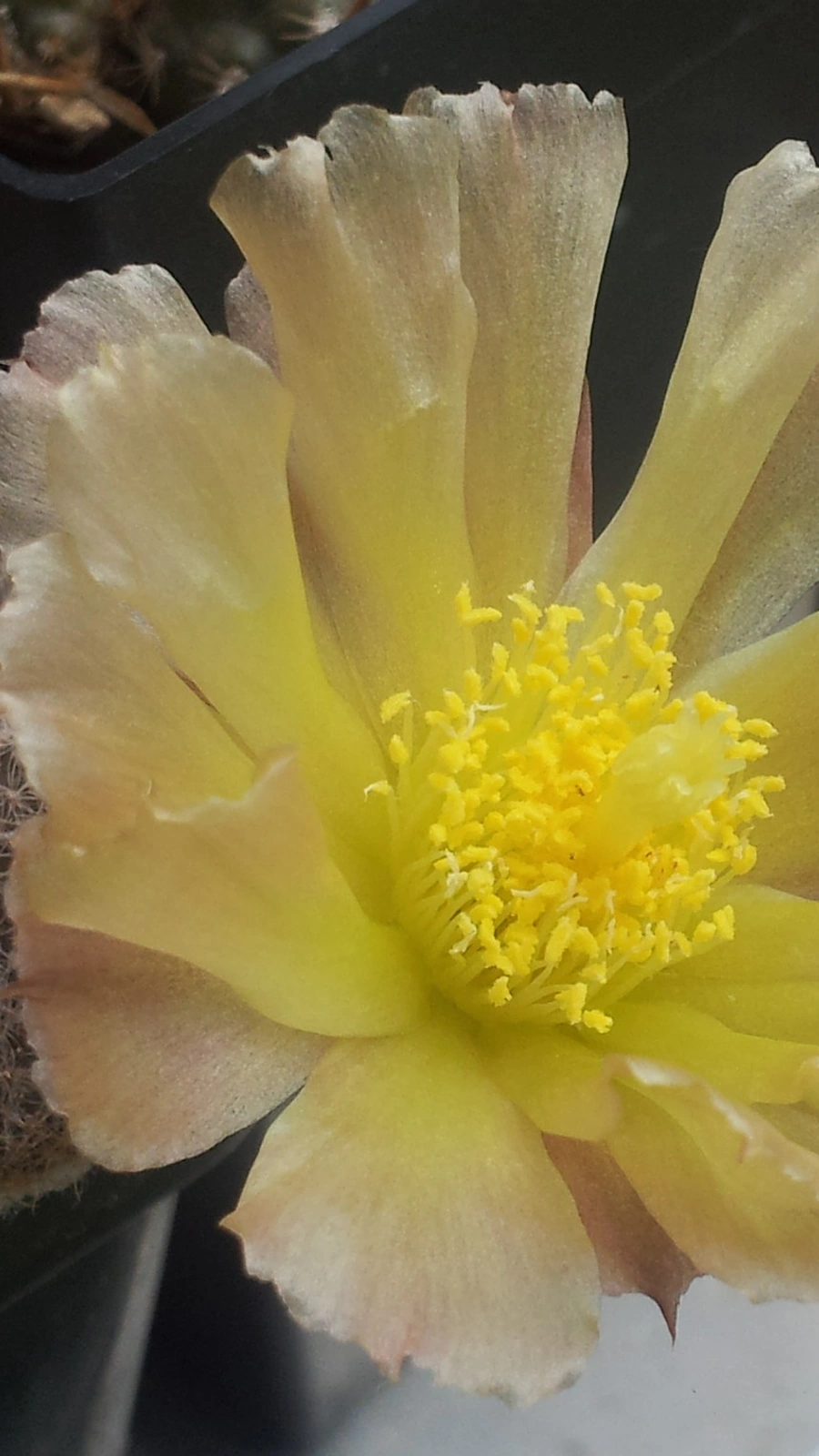
Echinopsis 'Chocolate'
Description Echinopsis 'Chocolate' should be treated as a horticultural cultivar or trade form, not as a formally accepted wild species name. On the product page, “Chocolate Cactus” is a clear buyer facing name. In the botanical dictionary, the display name can be Echinopsis 'Chocolate' , with an explicit note that it is a collector/cultivar name used around Echinopsis material rather than a settled species level taxon. LLIFLE describes Echinopsis cv. Chocolate as a plant often found grafted but capable of growing on its own roots, requiring good drainage, a very porous mix, controlled watering from spring to autumn, and a dry winter rest. Cactus Art presents a similar horticultural name, “Echinopsis sp. cv. Chocolate f. monstruosa cristata,” and warns against overwatering and poor ventilation because of rot risk. Trade and collector sources describe the form as chocolate red, crested or monstrose, with soft irregular clusters and highly variable growth. Appearance The appeal of this plant is its departure from the standard green ribbed cactus body. It may form small lumps, crests, folds and asymmetric monstrose growth. Color can shift from burgundy to reddish brown depending on light and culture. Some plants show very few spines, while others may show occasional hairs or spine traces. This variability is part of the charm, but it is also why the plant should not be over identified from a photograph. A quality flag is appropriate in content data: the form can be described confidently as Echinopsis 'Chocolate' in the horticultural sense, but not as a verified wild species identity. Cultivation Use a gritty, airy cactus mix and a pot with drainage. Do not water during the first settling week after delivery. After that, water only when the mix has dried fully. Because crested and monstrose surfaces can hold moisture in folds, avoid overhead wetting in cool or poorly ventilated conditions. Keep the plant drier in winter and protect it from frost. Light should be bright but not brutally hot. Good light helps preserve color, while extreme midday exposure can stress the surface. The safest placement is bright, airy and protected from the harshest summer sun. Commercial note If this is a single specimen product, the listing should state whether the photos show the exact plant. With variable monstrose forms, no two plants are identical. Avoid guarantees about maintaining a specific shape. Better wording: “monstrose/crested character,” “chocolate burgundy tones,” and “individual form may vary.” Cultivation note Chocolate Cactus is for collectors who want an unusual form, not for someone looking for a perfectly predictable cactus. Let it settle for a week before watering. Keep it in bright airflow, use a mineral mix, and avoid wet roots. The value of the plant is its form and health, not fast growth. Common confusion points Echinopsis 'Chocolate' is a horticultural name, not a clean wild species identity. Plants sold under this name can vary in cresting, color intensity, root status and growth pattern. If the plant is grafted or own root, record it when known. If it is not known, do not invent certainty. Cultivation and placement note This is not a symmetrical classic cactus. The buyer is choosing a sculptural, strange form. Exact specimen photography matters. After watering, keep the plant airy so moisture does not remain trapped in folds. Soft dark spots, wet patches or unpleasant smell should be treated as warning signs. References
Dictionary Entry
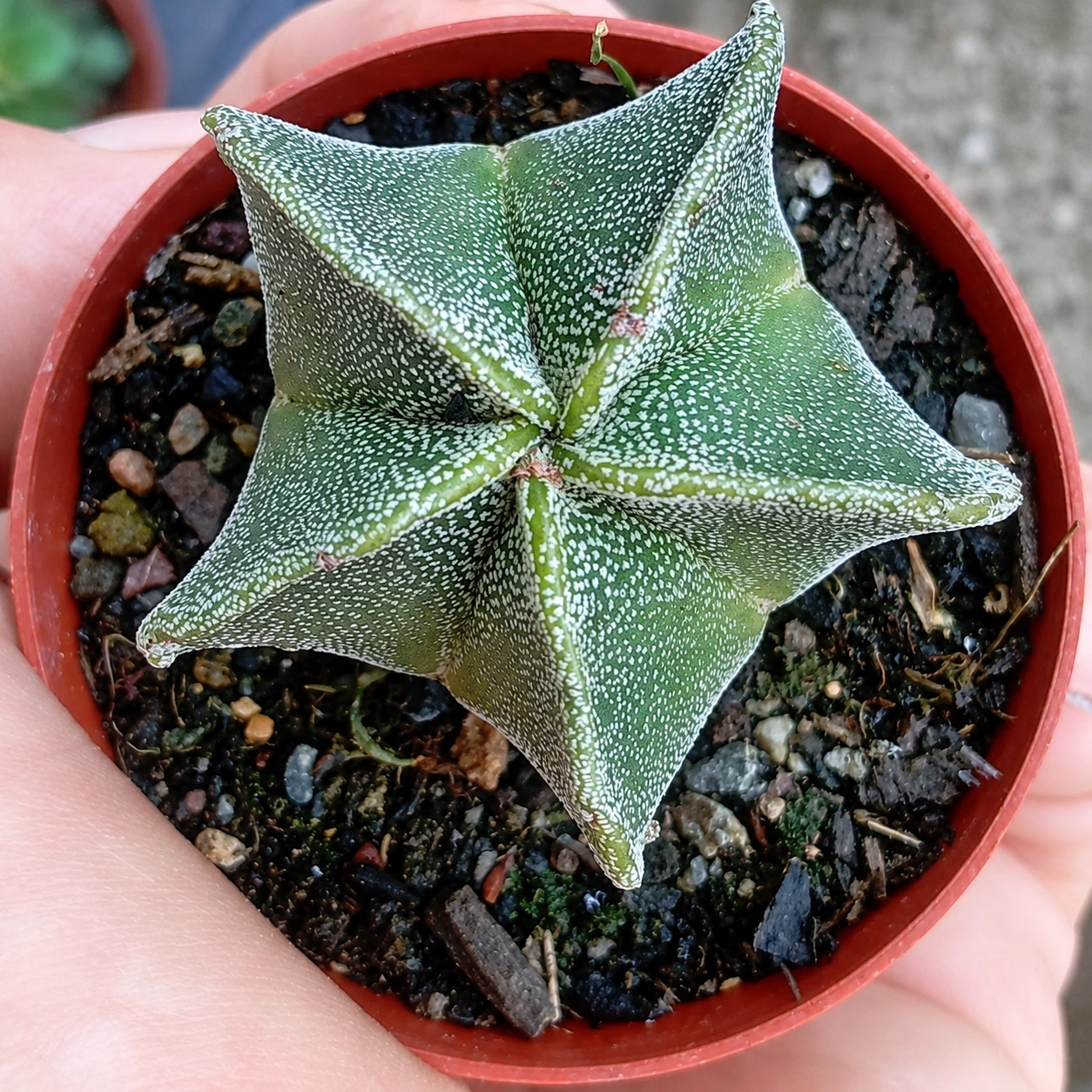
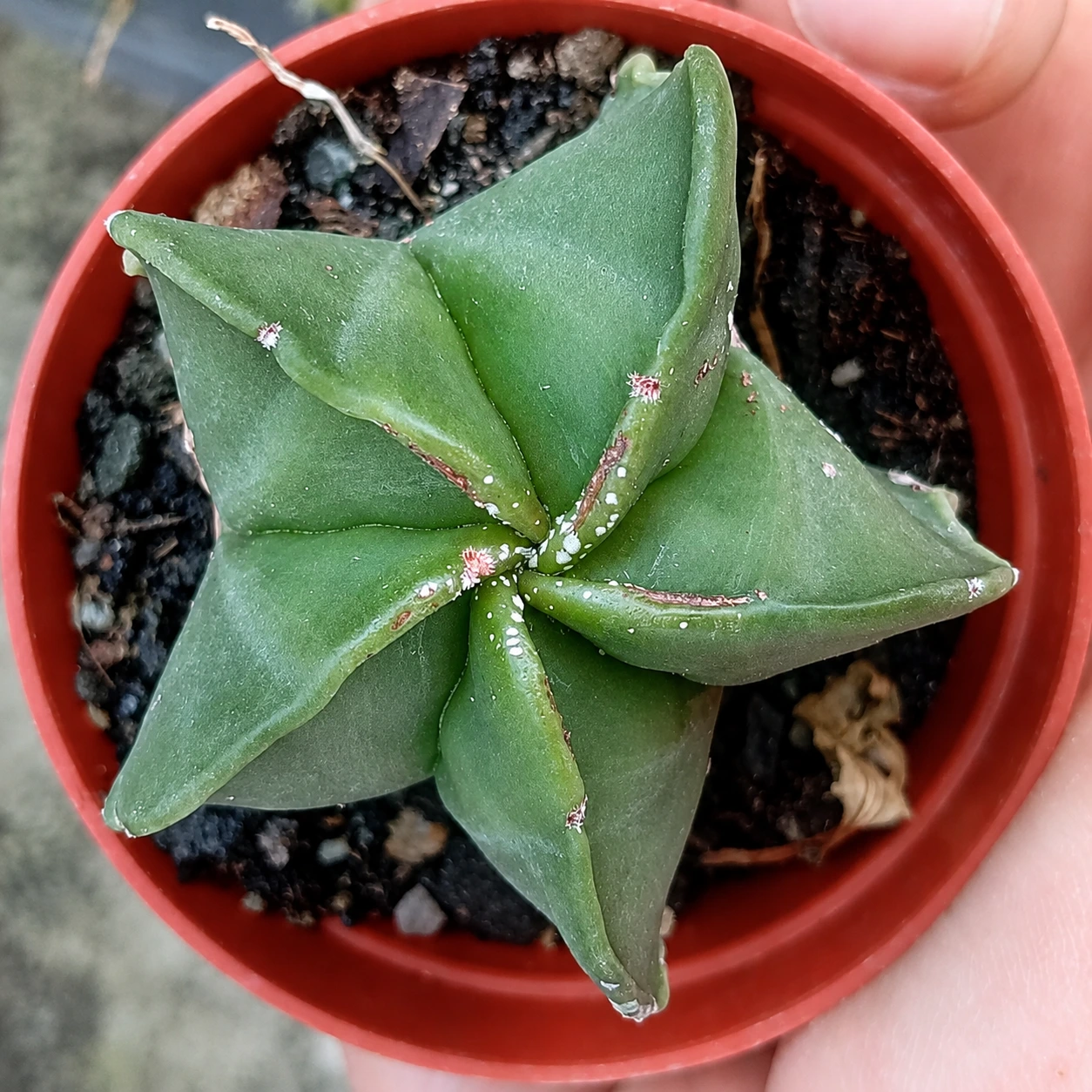
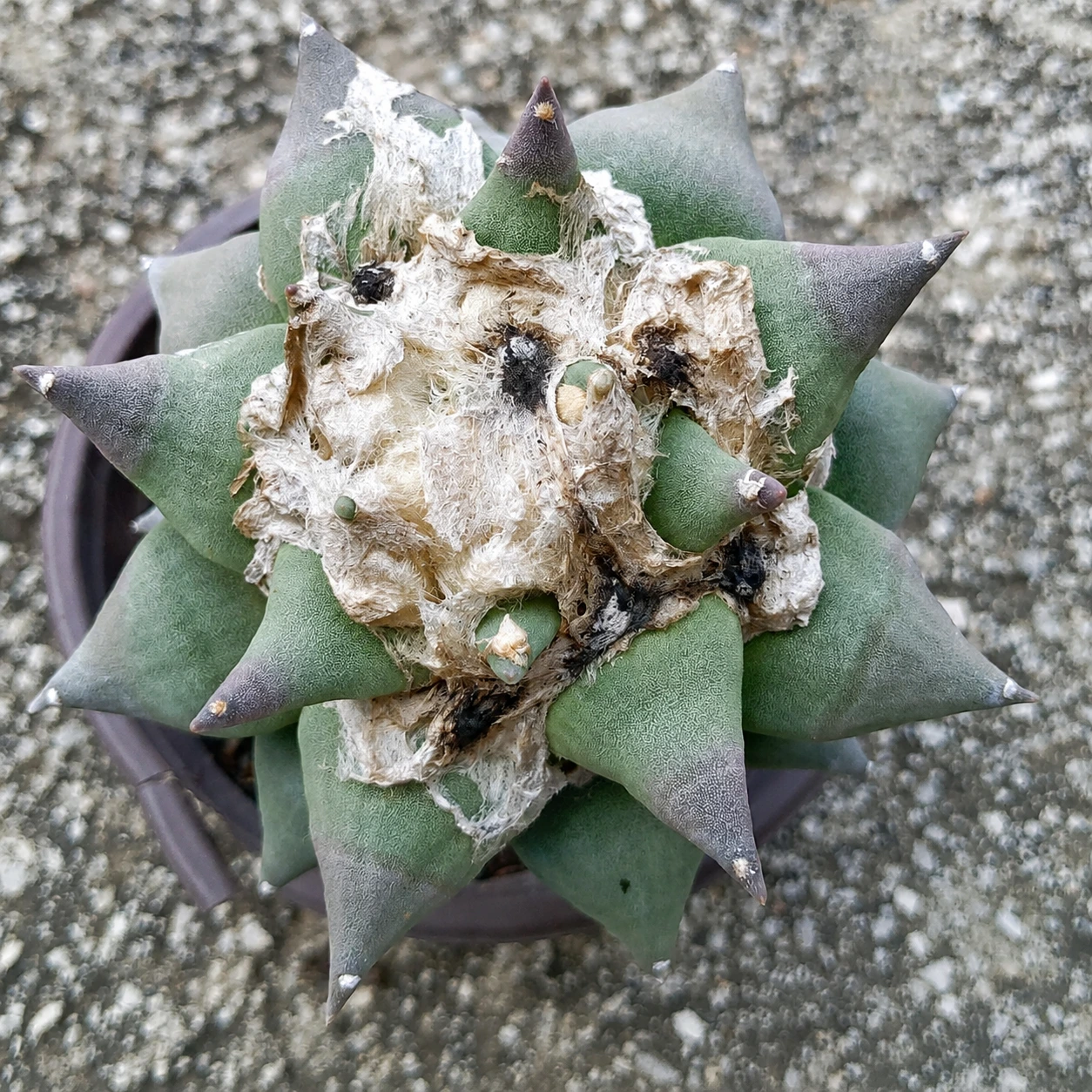
Astrophytum myriostigma
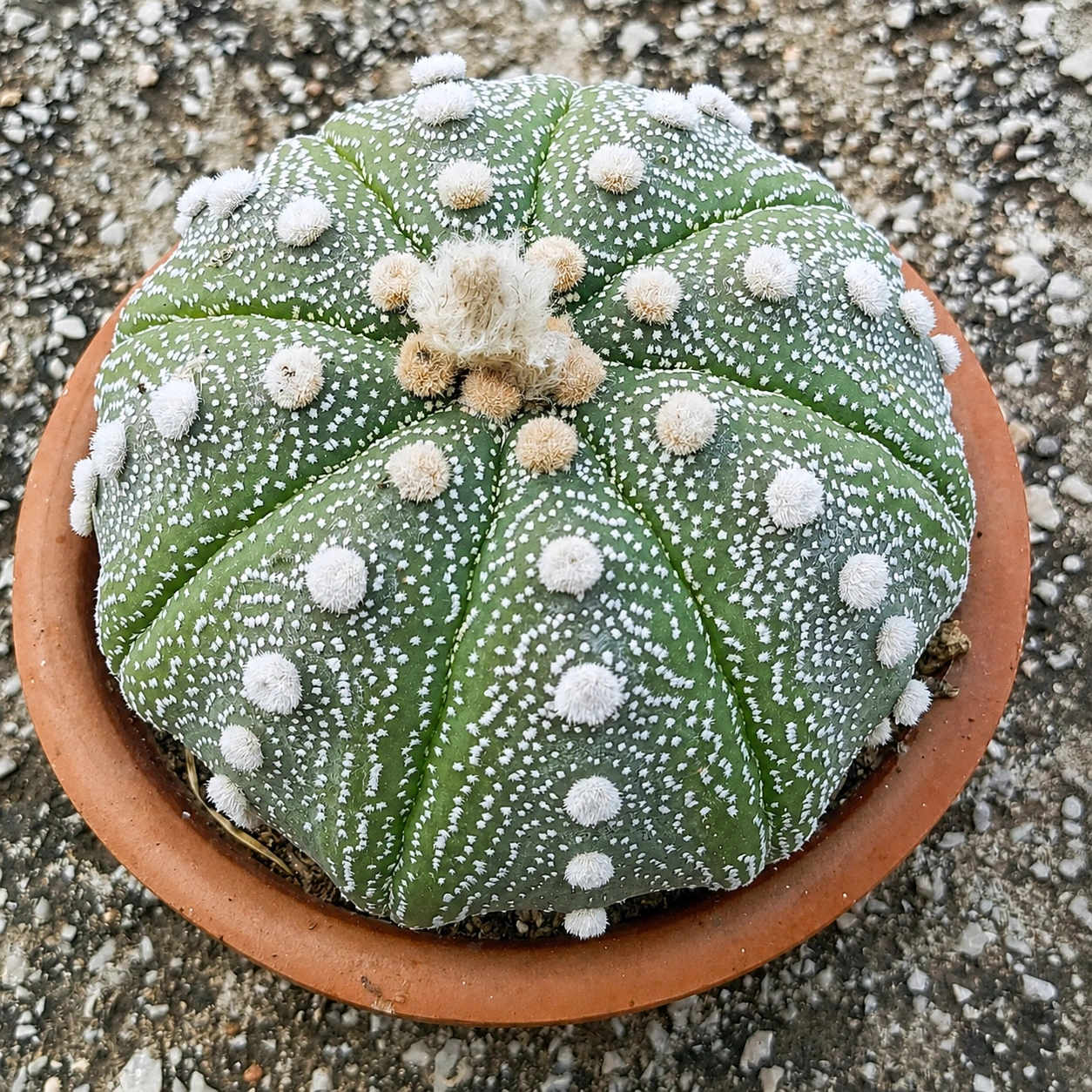
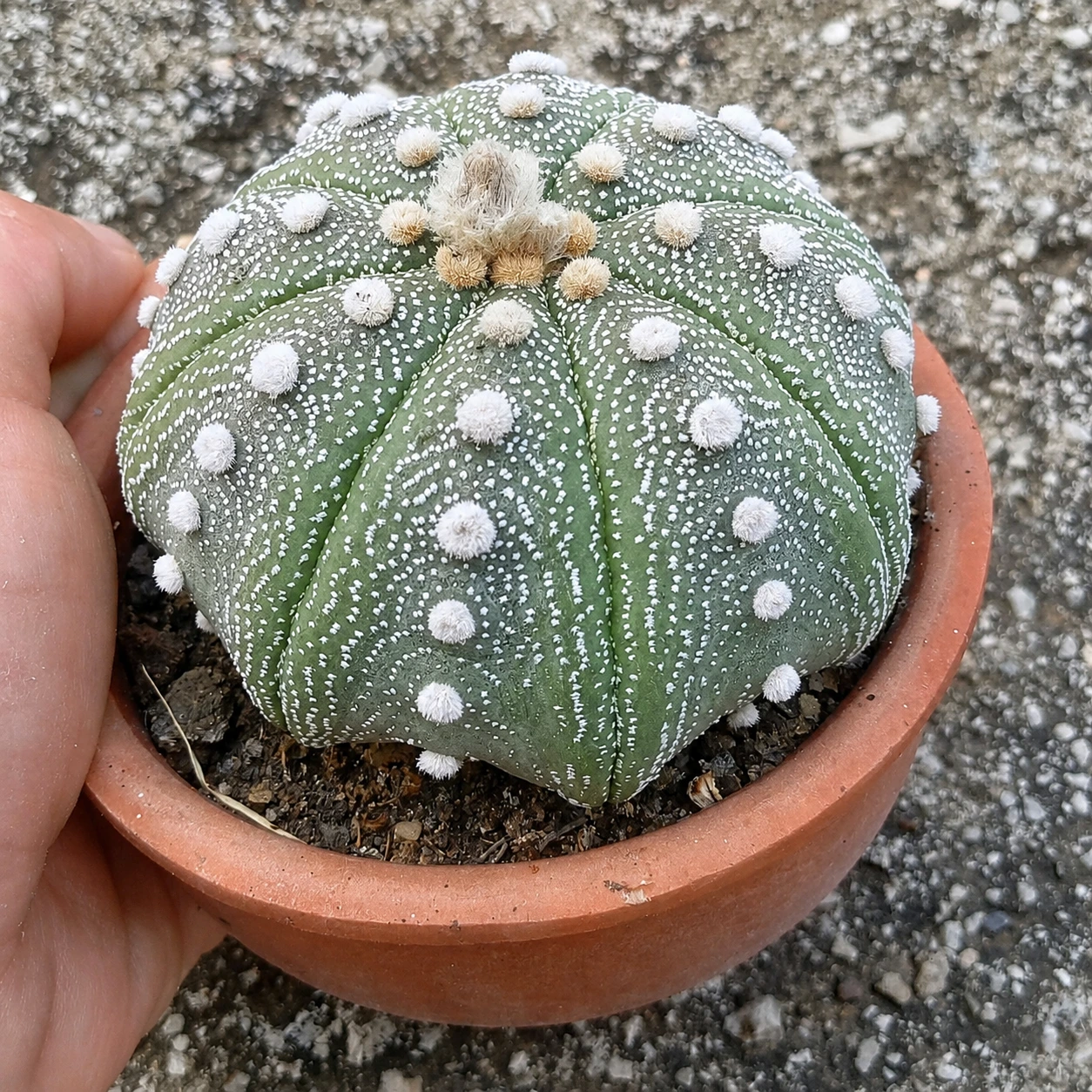
Description Astrophytum myriostigma is one of the most recognizable spineless cacti in cultivation. It is loved for its star shaped rib structure, smooth body and pale flecked surface rather than for dramatic spines. The commercial product name “Bishop’s Cap Cactus” is clear and useful for buyers; the botanical dictionary keeps the scientific name Astrophytum myriostigma Lem. POWO/Kew treats the name as accepted and records the native range as northeastern Mexico. World Flora Online also reports the name as accepted in Cactaceae. The plant’s character is geometric. Young specimens often show five clear ribs and a star like outline when viewed from above. As plants age, rib number and body proportion may change. The white flecking on the surface gives many plants a soft grey green look, though density varies between forms and clones. Native range and habitat POWO places the species in northeastern Mexico and records it from desert or dry shrubland biomes. LLIFLE describes habitat connected with stony, calcareous soils, scrub and mineral slopes. In cultivation, this points toward a fast draining mineral mix and careful watering. A standard peat heavy “cactus soil” may still hold too much moisture; adding pumice, lava rock, coarse perlite or similar mineral material is often safer. Although the species is adapted to bright arid habitats, nursery grown plants can be sensitive to abrupt exposure. A plant grown under filtered light should not be moved directly into intense summer midday sun. Bright filtered light and gradual acclimation are safer. Weak light can cause stretching and a loss of the clean star shaped form. Cultivation Let the plant settle for about a week after delivery before watering. After that, water only when the potting mix has dried all the way through. Water thoroughly, then allow excess water to drain. Do not leave the pot standing in water. In winter, or in cool low light conditions, keep the plant much drier. Cultivation notes from the University of Arizona Campus Arboretum emphasize drainage, neutral to alkaline mineral character and careful light exposure for Astrophytum myriostigma. Feeding should be light and limited to the active growing season. The plant does not need constant intervention; it needs a stable bright position, mineral soil and restraint. Taxonomy and variation Astrophytum myriostigma is surrounded by many horticultural forms. Some names refer to rib count, some to flecking density, and some to body color. Product names should not be confused with botanical rank. “Bishop’s Cap” is a good product name; Astrophytum myriostigma is the scientific dictionary name. Forms such as nudum can be documented separately, but the way POWO and WFO treat such names should be stated clearly. Cultivation note Bishop’s Cap Cactus is elegant, compact and easy to place in a bright room. Its spineless body makes it friendly to look at, but not tolerant of wet roots. Use a pot with drainage, a mineral cactus mix and a patient watering rhythm. Do not water during the first settling week, and afterwards water only when the soil has fully dried. Common confusion points Astrophytum myriostigma can be confused with Astrophytum asterias because both are spineless and geometric. Myriostigma is usually more ribbed and cap like, while asterias is lower and more disc shaped. Flecking density alone is not enough for identification. Cultivation and placement note Small 5.5 cm plants can become long lived collection pieces. Their small pot volume, however, makes watering mistakes visible quickly. Water by dryness, not by calendar. Avoid closed terrariums or glass containers that trap humidity. References
Share where the plant will live, the light conditions, or your care expectations. We can help narrow down suitable options.
Contact UsWhat would you suggest for a low-light corner?
Which plant is better for a beginner?
Is this plant suitable for shipping?
Browse the plants.
Create your cart and place your order.
Contact us if you would like more detailed information.
Short answers about choosing live plants, ordering, and using the dictionary.
Add the plants you like to your cart and complete your delivery and contact details at checkout. After your order is received, the necessary order information is shared with you.
Yes. You can contact us about light conditions, placement, or care expectations before choosing a plant.
The dictionary gives you more detail about species origin, growth habit, light needs, watering, and care notes.
Live plants are natural products. Form, color, size, and growth stage may vary depending on current stock. We keep product information as current as possible.
Packing is planned according to the plant. Live plants can still be affected by transit, so please contact us on the delivery day if you notice a serious issue.
Yes. The collection may include pots and complementary products alongside live plants.
Start with where the plant will live, how much light it receives, and the care routine you prefer. If you are unsure, you can contact us and we can narrow down suitable options together.
Yes. Dictionary notes on care, light, watering, and difficulty help you compare species. This lets you choose by the plant's needs, not only by appearance.
We keep collection stock and product details as current as possible. Since live plants may be one-off or limited in number, it is best to check availability when you find a plant you like.
Yes. After your plant arrives, you can contact us about placement, first watering, light acclimation, or general care questions.