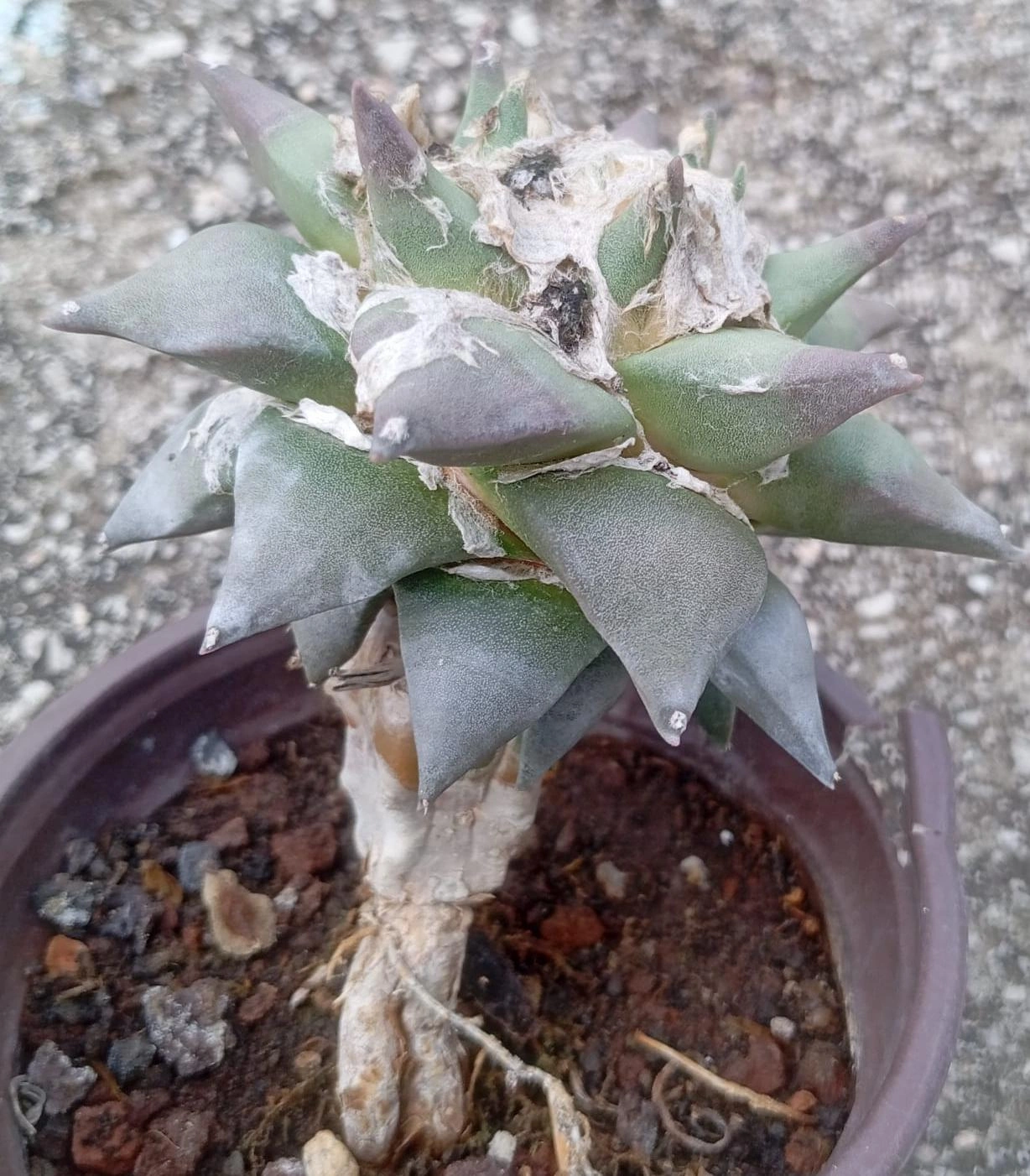
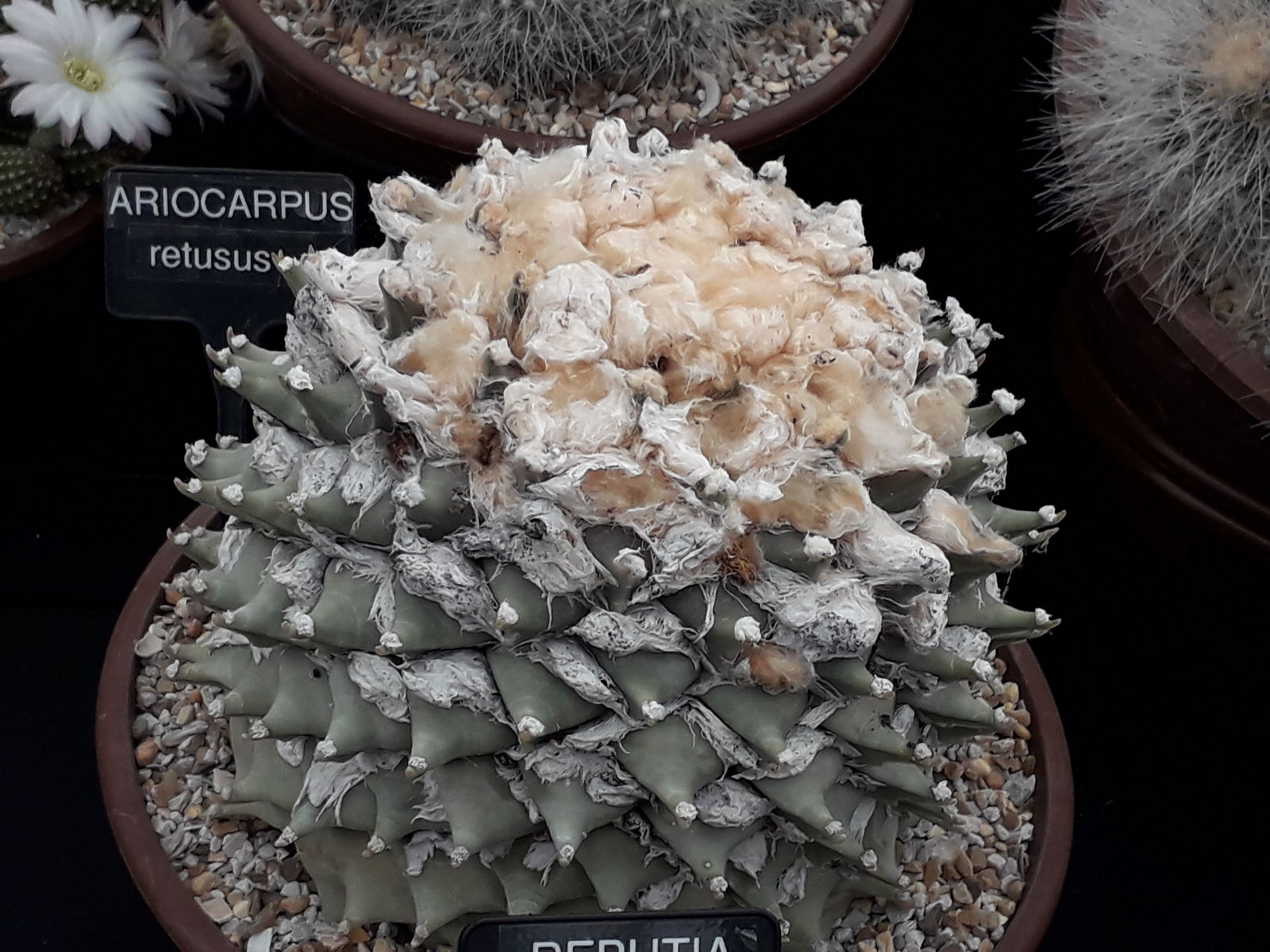
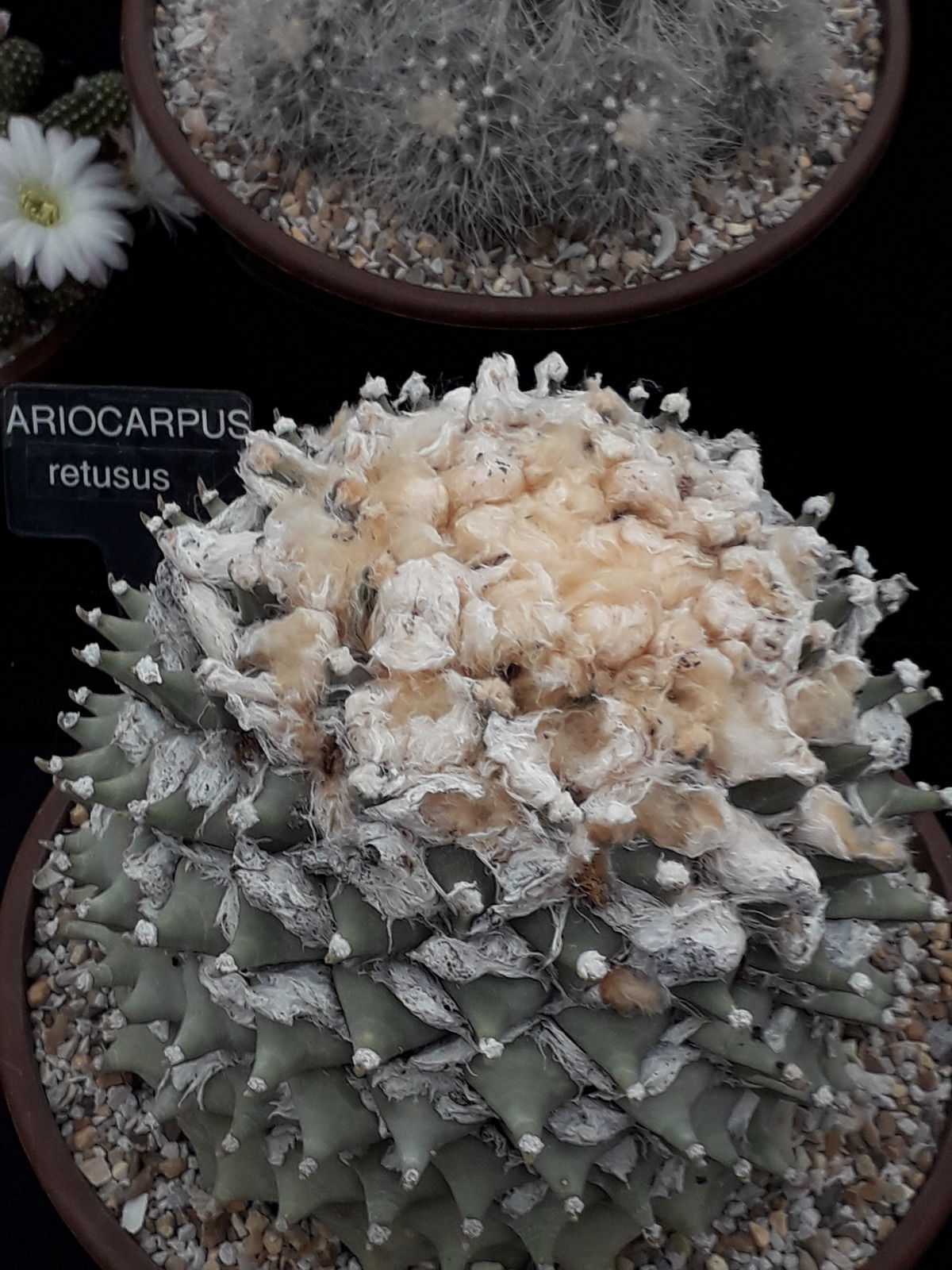
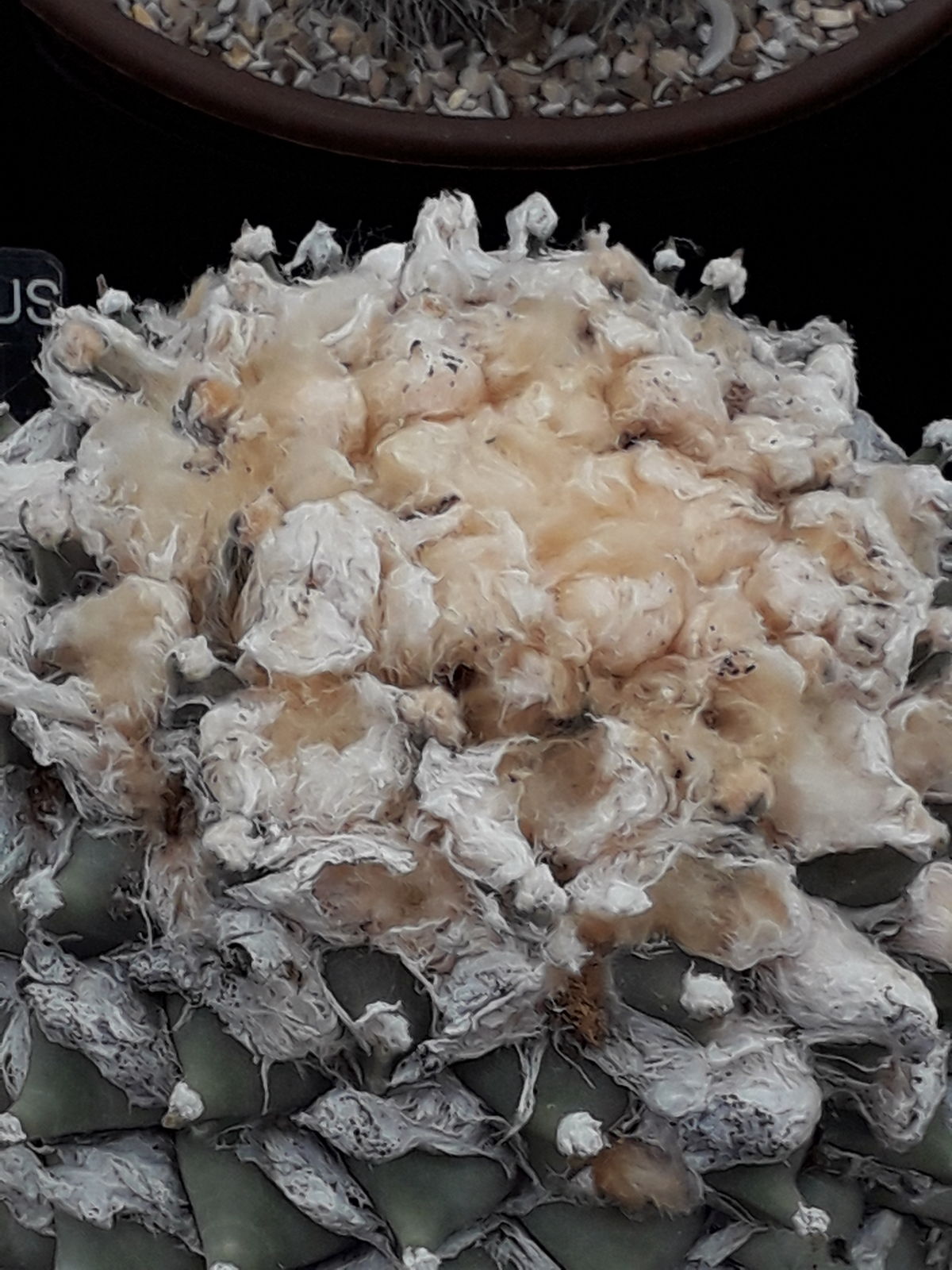
living-rock cactus

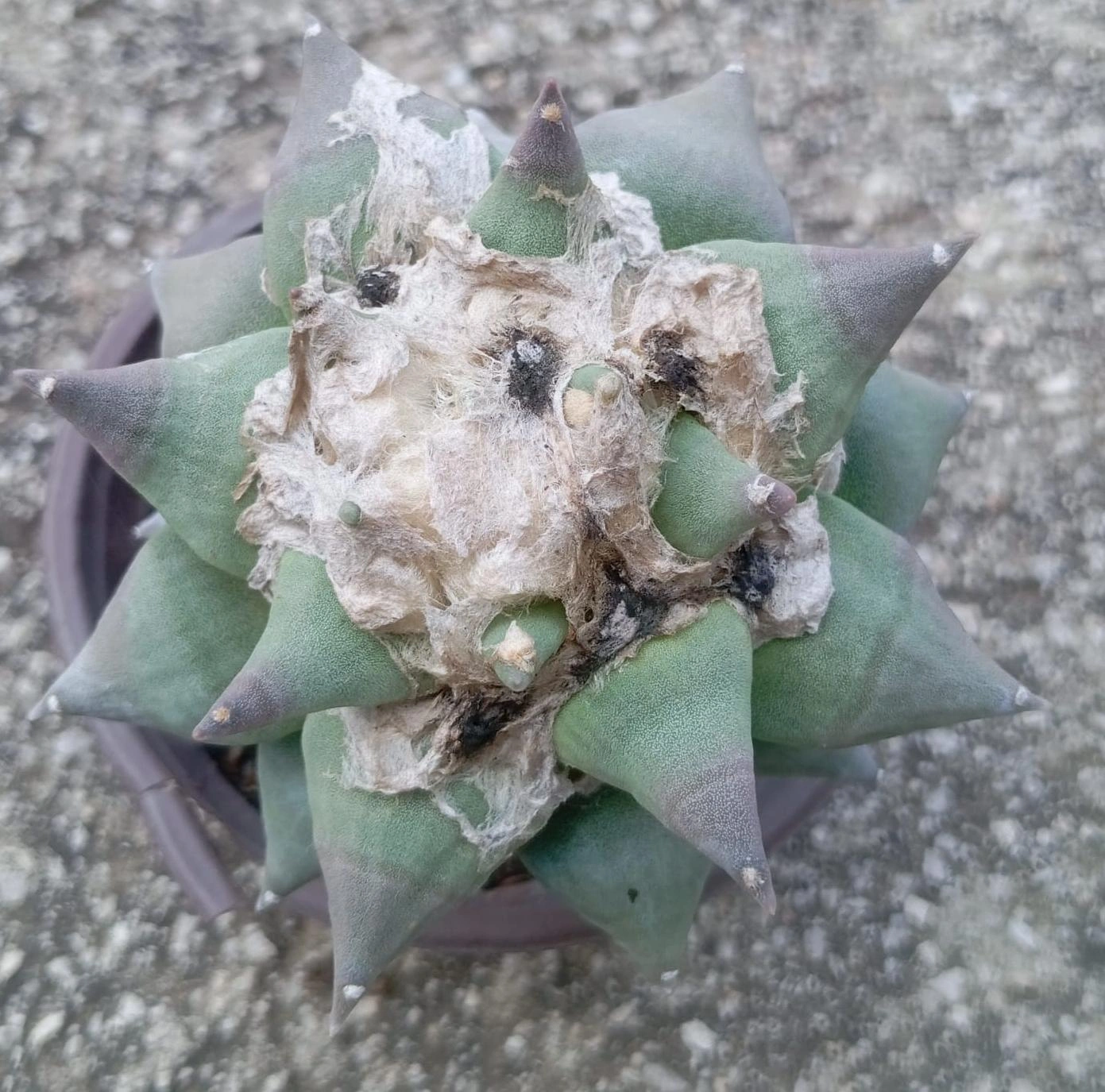
Ariocarpus retusus

Ariocarpus retusus Scheidw. is treated as an accepted taxon in Plants of the World Online.1

The current source-backed classification places it in Cactaceae within Ariocarpus.12

Its recorded native range/source remark is MXEAG, MXECU, MXEHI, MXEZA, MXEQU, MXEGU, MXESL, MXEDU, NORTHERNAMERICA, MEXICO, MXE, MXETA; NE. Mexico.1

POWO records the plant context as succulent subshrub, desert or dry shrubland.1

This is a source-populated draft intended for later Kaktus Doktoru editorial rewriting; care advice and morphology should be reviewed before publication.

References

  1. Plants of the World Online. "Ariocarpus retusus Scheidw.". Royal Botanic Gardens, Kew. Accessed: 2026-06-10. https://powo.science.kew.org/taxon/urn:lsid:ipni.org:names:128870-1
  2. GBIF Secretariat. "Ariocarpus retusus". GBIF Backbone Taxonomy. Accessed: 2026-06-10. https://www.gbif.org/species/3084099
Light

Bright but non-scorching light is safest.
Watering

Measured

Water sparingly; the root neck must not stay wet.

Soil

Draining Mix

Use a very mineral, fast-drying mix.

Safety

Not edible; keep away from children and pets.

Difficulty

Slow growth and sensitive roots make it advanced.

Native Habitat

NE. Mexico

Automatically collected source range/note: MXE_AG, MXE_CU, MXE_HI, MXE_ZA, MXE_QU, MXE_GU, MXE_SL, MXE_DU, NORTHERN_AMERICA, MEXICO, MXE, MXE_TA; NE. Mexico.

Frequently Asked Questions

Is Ariocarpus retusus hard to grow indoors?
Ariocarpus retusus is not difficult if its slow rhythm is respected, but it is unforgiving of overwatering. It needs a very free-draining mineral mix, strong light, and a full dry-down between waterings.
How fast does Ariocarpus retusus grow?
Ariocarpus retusus grows slowly. Seed-grown plants often take many years to reach flowering size, and even established collection plants may show only modest seasonal expansion or new tubercle growth.
Why is Ariocarpus retusus called living rock cactus?
The name comes from its low, stone-like body and triangular tubercles. In habitat it can sit almost flush with limestone or gravelly soil, making it look more like a rock than a typical spiny cactus.
How should I water Ariocarpus retusus?
Water deeply only during active growth and only after the potting mix has dried completely. In cool weather or dormancy, keep it much drier because cold wet roots are the main route to rot.
What soil is best for Ariocarpus retusus?
Use a mineral-heavy cactus mix with pumice, lava rock, coarse grit, akadama, or similar particles. Keep peat and fine organic matter low so the taproot does not remain wet for long.
Does Ariocarpus retusus need direct sun?
It likes bright light and can take some sun, but sudden harsh midday sun behind glass can mark the body. Acclimate gradually and favor morning sun or bright filtered light for indoor plants.
Does Ariocarpus retusus flower?
Yes. Mature plants can produce white, pink, or magenta-toned flowers. Good light, maturity, and a drier seasonal rest make flowering more likely.
Why is my Ariocarpus retusus wrinkling or going soft?
Mild wrinkling during a dry rest can be normal. Softness at the base, dark wet tissue, or a sour smell points to rot, so stop watering and inspect the roots and potting mix.
Is Ariocarpus retusus the same as Lophophora?
No. They can both look like low desert buttons, but they are different genera. Ariocarpus retusus has angular, leaf-like tubercles that form a more faceted rosette.
What should I check before buying Ariocarpus retusus?
Look for a firm body, a healthy root neck, a gritty mix, and a clear nursery label. Avoid suspicious wild-collected plants; seed-grown or nursery-propagated specimens are the ethical choice.