Native OriginPuebla and Oaxaca, Mexico
OriginAdana
TypeNatural Species
ProductionNursery Stock
Doctor's Note

Dr. Prescription: First Steps for Mammillaria pectinifera Care

Welcome your new Comb Mammillaria home! Here are practical first care tips from Cactus Doctor to keep this little beauty healthy and happy:

  1. Plenty of Sun: Mammillaria pectinifera loves abundant sunlight. Place your plant in a spot that receives direct sun. A south or west-facing windowsill is ideal. Insufficient light can weaken its spine structure.
  2. Measured Watering: Water thoroughly when the soil is completely dry, and wait for the soil to dry out completely again before the next watering. Reduce watering frequency in winter; once a month or less may suffice. Avoid overwatering, as this is the primary cause of root rot.
  3. Well-Draining Soil: Use a sandy, well-aerated soil mix specifically prepared for cacti. Ensure your pot has drainage holes at the bottom.
  4. Air Circulation: Good air circulation prevents fungal diseases. Keep your plant away from humid and stagnant environments.
  5. Periodic Checks: Inspect your plant regularly. Observe for signs of pests (small spots, webbing) or water stress (wrinkling). Early intervention is always best.

With these simple steps, your Mammillaria pectinifera will bring you joy for many years. Remember, a happy cactus means a happy home!

KD_MAMMILLARIA_PECTINIFERA_001

Mammillaria pectinifera

Comb Mammillaria

TRY 2,430
In Stock
Only 3 pcs left
Size
Free ShippingVAT included.

Mammillaria pectinifera: Comb Elegance at Cactus Doctor

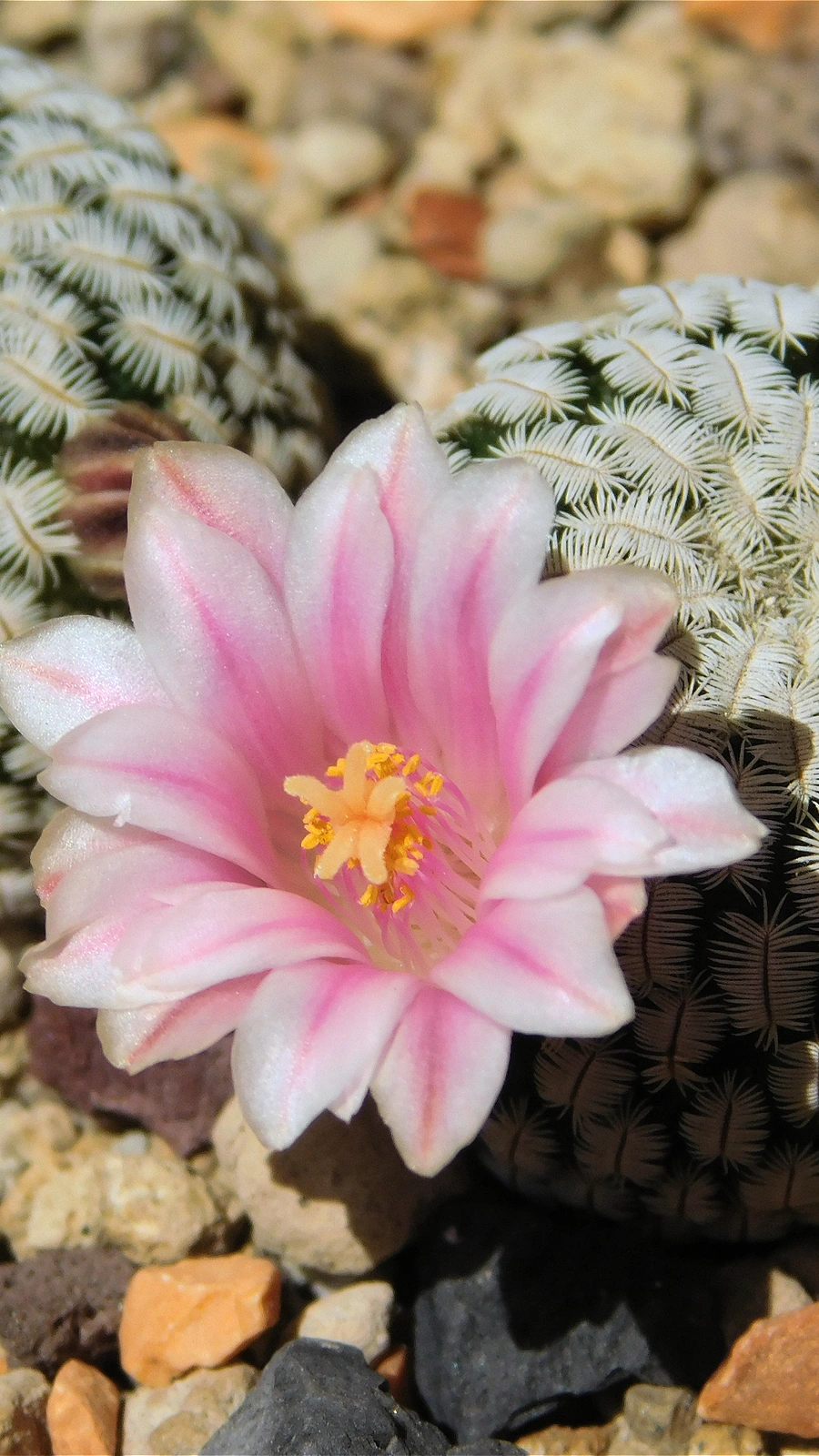
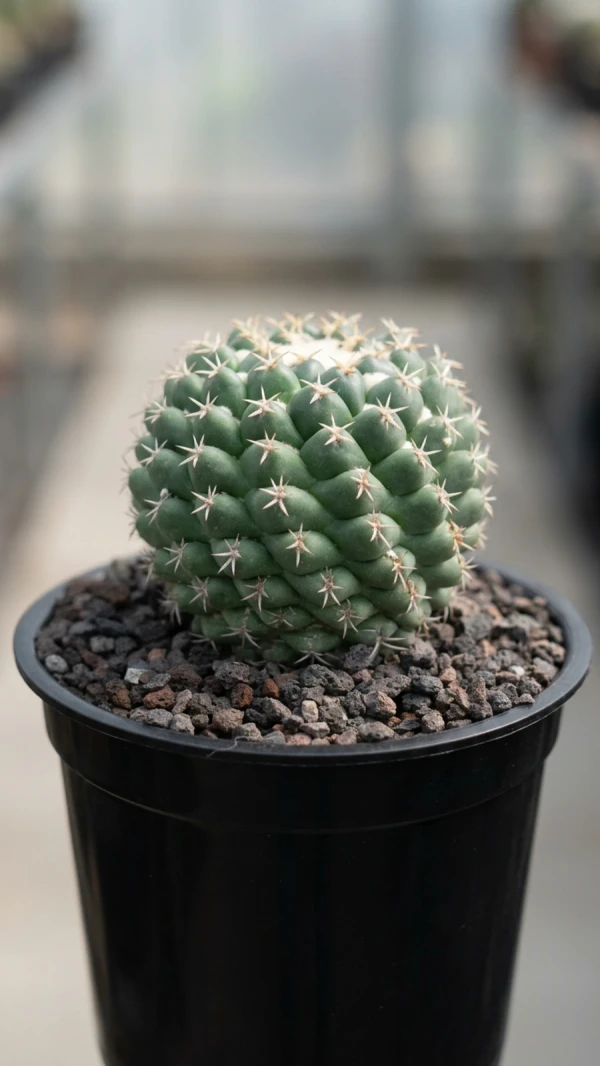
Looking to add a unique touch to your cactus collection? Mammillaria pectinifera, commonly known as "Comb Mammillaria," is a captivating species instantly recognizable by its extraordinary spine structure. The white, comb-like spines emerging from each areole give the plant a delicate and patterned appearance. Its miniature size and slow growth make it an excellent choice for both pots and rock gardens.

Why Mammillaria pectinifera?

  • Easy Care: Ideal for beginner cactus enthusiasts. It thrives with minimal attention.
  • Aesthetic Appeal: With its comb-like, tightly arranged spines, it holds an elegant and sophisticated place among cacti.
  • Collector's Item: Its unique morphology makes it a special piece for cactus collectors.
  • Blooming: Typically in spring, it presents a fascinating display with small, bell-shaped pink or white flowers blooming at its apex.

Mammillaria pectinifera, perfect for a sunny windowsill, balcony, or any favorite corner in your garden, arrives to you with Kaktüs Doktoru assurance. Invite this little marvel into your living space and witness nature's unique artistry!

Light
Full Sun

Strong light supports compact growth. Do not move a low-light plant abruptly into harsh sun.

Soil
Mineral-rich, airy, fast-draining cactus mix

Use a mineral-rich, coarse, airy, fast-draining mix in a modest drainage-holed pot.

Water
Measured

Do not use a calendar. Water after complete drying and reduce frequency during cool or low-light periods.

Difficulty
Easy

Slow growth and sensitivity to excess moisture require care; it is manageable with strong light and strict drainage.

Frequently Asked Questions

Where is Mammillaria pectinifera native?
It is native only to Puebla and Oaxaca in Mexico, especially the Tehuacán–Cuicatlán region.
What is its conservation status?
The IUCN 2022.2 record is EN, Mexico lists it as Amenazada, and the species is included in CITES Appendix I.
How often should it be watered?
There is no fixed interval. Water deeply after the mix has dried throughout and remove all excess water.
Can it take direct sun?
It prefers strong light, but a plant raised under lower light should be acclimated to direct sun over several weeks.
What growing medium is suitable?
Use a mineral-rich, airy, fast-draining mix that does not remain wet for long periods.
Why does it look comb-like?
Short white radial spines lie flat around each areole in an arrangement resembling the teeth of a comb.
Is it safe around pets?
Strong evidence of chemical toxicity is lacking, but the dense spines present a mechanical risk to eyes, mouth, and skin.
Can a wild-collected plant be purchased?
No. Because of CITES Appendix I and serious conservation pressure, choose documented artificially propagated material only.

Reviews

There are no reviews for this product yet.

Care reminder list

Get seasonal care reminders for this product at your preferred frequency. You can change the email address below and unsubscribe from any reminder email.