Native OriginNorth-western Argentina and Bolivia
OriginAdana
TypeNatural Species
ProductionSeed Grown
Doctor's Note

Dr. Prescription: Gymnocalycium Spegazzinii First Care Tips

Welcome your new Gymnocalycium spegazzinii home! Here are a few practical tips from Dr. Cactus for its healthy growth:

  • Sunlight: It loves abundant and direct sunlight. An ideal spot would be a south-facing window or an outdoor location where it can receive at least 6 hours of sun. Insufficient light can slow its growth.
  • Watering: Water thoroughly when the soil is completely dry. Stop watering when water starts to drain from the holes at the bottom of the pot. Reduce watering in winter or during its dormant period. Never leave it sitting in water, as this can lead to root rot.
  • Soil and Pot: Use well-draining cactus and succulent soil. When choosing a pot, always opt for one with drainage holes.
  • Temperature: It thrives best at average room temperatures (20-30°C / 68-86°F). A cooler environment (5-10°C / 41-50°F) in winter can be beneficial for its dormancy, but protect it from frost.
  • Fertilizing: During its growing season (spring-summer), you can use a low-nitrogen fertilizer specifically formulated for cacti once a month.

Remember, Gymnocalycium spegazzinii is a species that rewards patience and proper care. Enjoy it!

KD_GYMNOCALYCIUM_SPEGAZZINII_001

Gymnocalycium spegazzinii

Spegazzini's Chin Cactus

TRY 1,402
In Stock
Size
Free ShippingVAT included.

Gymnocalycium Spegazzinii: The Magnificent Cactus of South America

Carefully cultivated by Kaktüs Doktoru, Gymnocalycium spegazzinii will add a unique beauty to your cactus collection. Hailing from the natural habitats of South America, this species stands out with its distinct aesthetics and resilience.

Why Choose Gymnocalycium Spegazzinii?

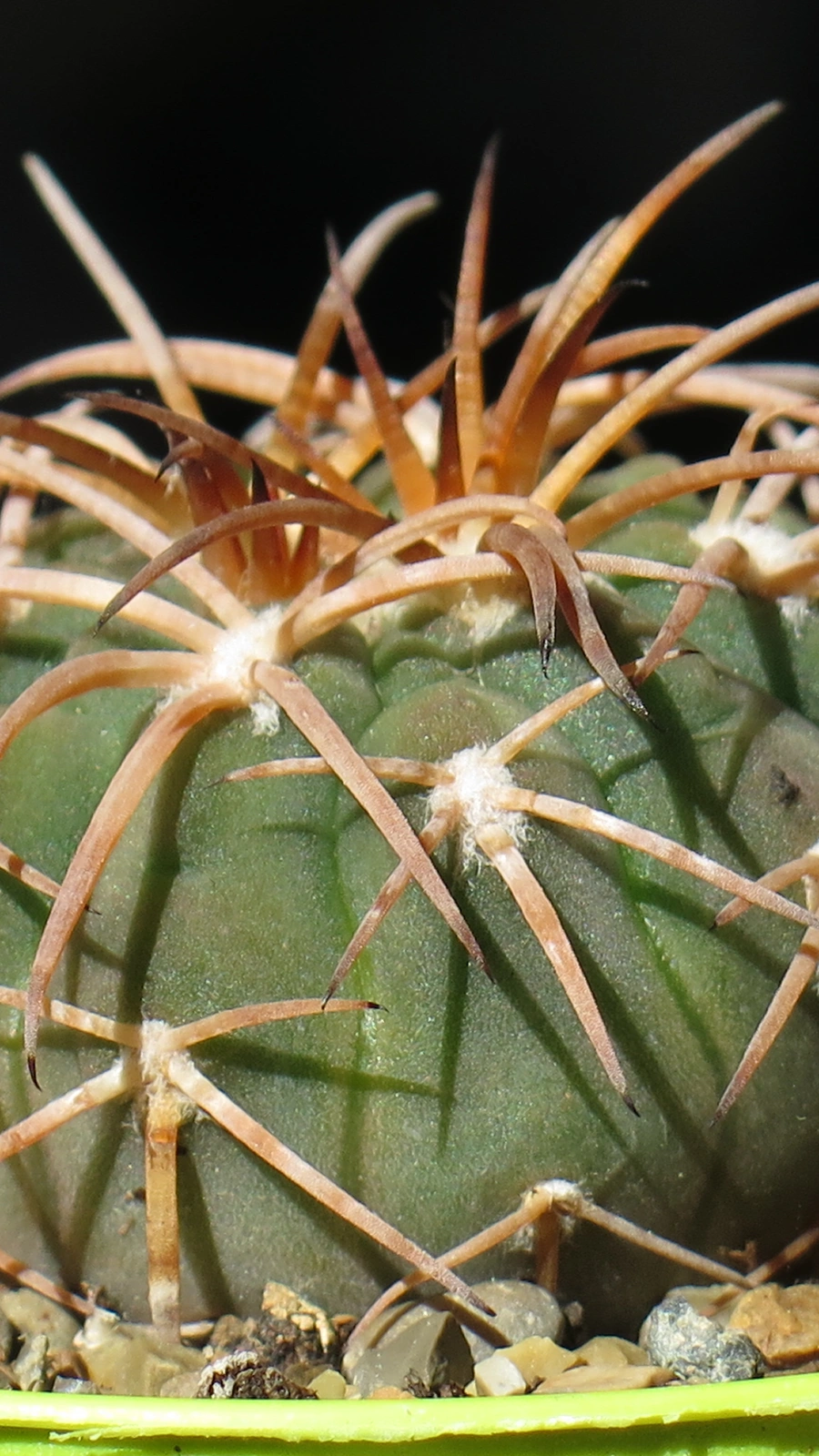
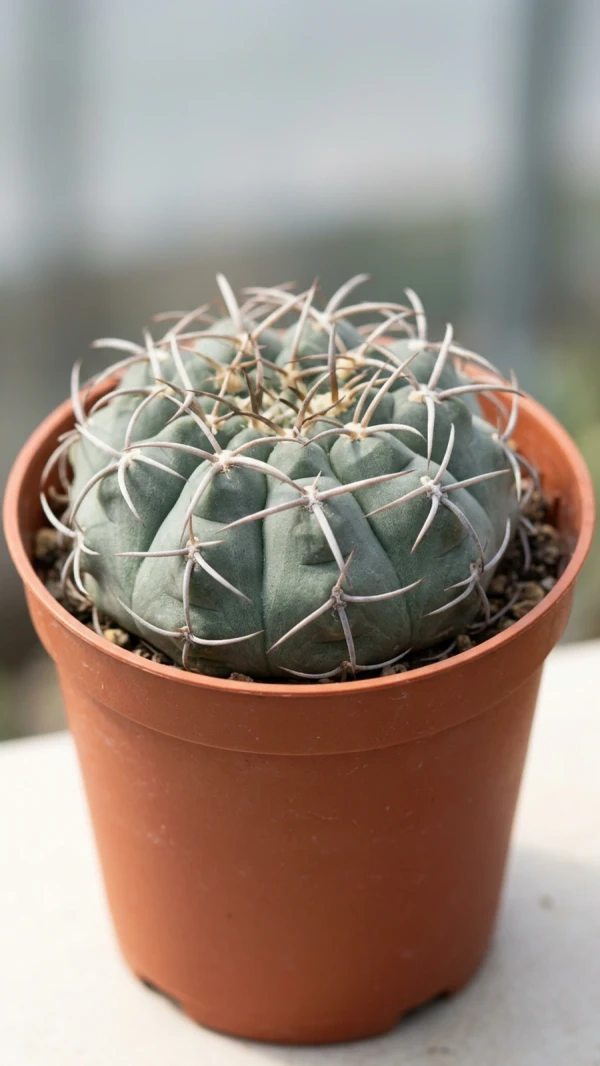
  • Aesthetic Form: Known for its generally spherical or slightly flattened body, prominent ribs, and characteristic chin-like tubercles.
  • Striking Spines: Spines, which can vary in color and length, sometimes curved or flattened, give each plant a unique character.
  • Vibrant Flowers: Delicate flowers blooming in shades of pink, white, or red during spring elevate your cactus's beauty to its peak.
  • Collector's Item: A popular species among cactus enthusiasts, it will accompany you for many years with proper care.

This special cactus, with its moderate care requirements, is a delightful choice for both experienced collectors and newcomers. It loves direct sunlight and prefers well-drained soil. Add a natural charm to your home or office with Kaktüs Doktoru quality.

Light
Direct Sun

A very bright position with controlled direct sun is suitable; although the grey-bronze epidermis may tolerate strong light, a lower-light plant must be acclimated gradually.

Soil
A coarse, airy, mineral-rich, fast-draining cactus mix.

A coarse, airy, mineral-rich, fast-draining cactus mix.

Water
Measured

Do not use a fixed calendar. Water deeply after complete drying and reduce frequency during cool or low-light periods.

Difficulty
Moderate

It is of moderate difficulty because of slow growth, strong-light requirements, and sensitivity to excess moisture.

Frequently Asked Questions

Where is Gymnocalycium spegazzinii native?
Its native range is north-western Argentina and Bolivia.
What is its conservation status?
LC is retained for wild populations; it does not describe commercial pot inventory.
How often should it be watered?
There is no fixed interval. Water deeply only after the mix has dried throughout and remove all excess water.
Can it take direct sun?
A very bright position with controlled direct sun is suitable; although the grey-bronze epidermis may tolerate strong light, a lower-light plant must be acclimated gradually. Acclimate a lower-light plant over several weeks.
What growing medium is suitable?
A coarse, airy, mineral-rich, fast-draining cactus mix.
Can it be identified by flower colour alone?
No. Stem, ribs, areoles, spines, flowers, and—when available—provenance should be evaluated together.
Is it safe around pets?
Strong evidence of chemical toxicity is lacking, but the spines present a mechanical risk to eyes, mouth, and skin.
Does the commercial form represent the whole wild species?
No. One potted specimen does not represent the full geographic and morphological variation of the two accepted subspecies.

Reviews

There are no reviews for this product yet.

Care reminder list

Get seasonal care reminders for this product at your preferred frequency. You can change the email address below and unsubscribe from any reminder email.