
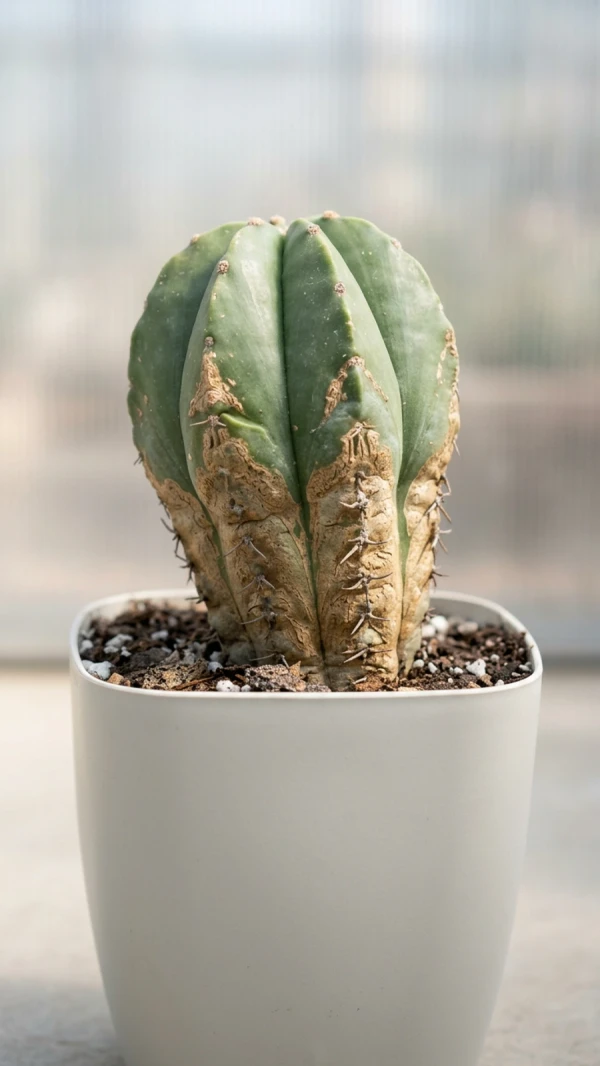
 Representative AI image
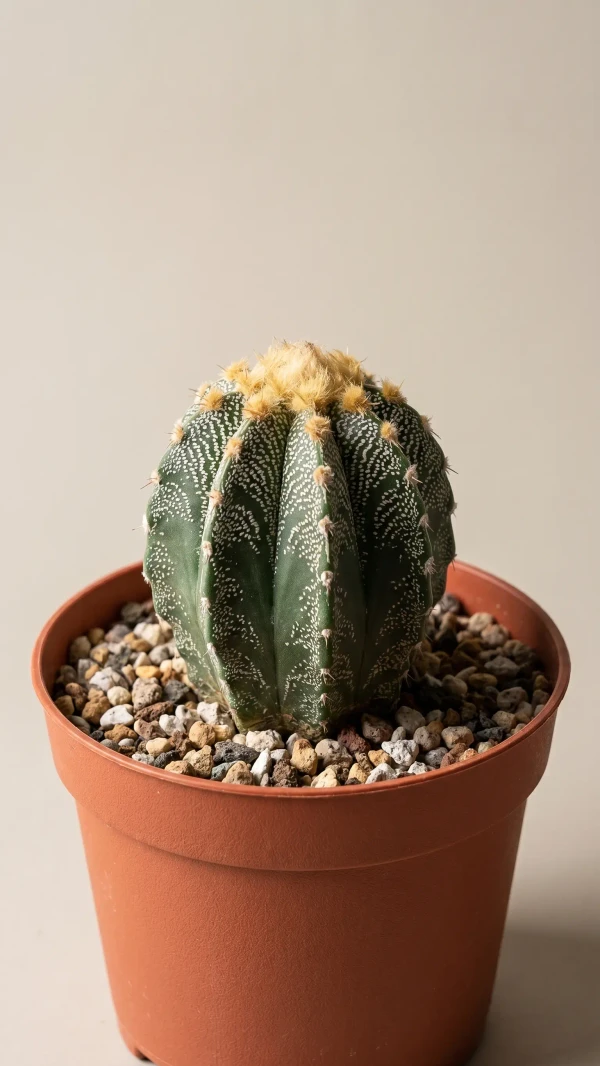 Representative AI image
Astrophytum ornatum
Monk's Hood Cactus, Star Cactus
Astrophytum Ornatum: The Artistic Star of the Desert
Astrophytum ornatum, widely known as the Monk's Hood Cactus or Star Cactus, is a truly captivating species among cactus collectors. Its distinctly ribbed, star-shaped body adorned with white woolly flakes creates a striking visual appeal. Native to the arid landscapes of Mexico, this species is cherished for its slow growth and low maintenance requirements. It's an ideal choice to add an exotic touch to your home or to enrich your existing cactus collection.
- Aesthetic Appeal: Offers a visual feast with its unique star form and elegant white specks.
- Durability: Adapted to desert conditions, it is long-lived and resilient.
- Collector's Value: A sought-after species, making it a favorite among cactus enthusiasts.
For those seeking to make a maximum impact with minimum effort, Astrophytum ornatum is a superb choice. With a sunny spot and the right potting mix, it will accompany you for many years. Bring the serene beauty of the desert into your living spaces with a healthy Astrophytum ornatum from Kaktüs Doktoru.
A very bright position with gradually introduced direct sun is suitable. White epidermal flecks do not provide absolute protection from scorch, so a lower-light plant should be acclimated over several weeks.
A coarse, low-organic, airy, very fast-draining cactus mix.
Do not use a fixed calendar. Water deeply after complete drying and reduce frequency during cool or low-light periods.
It is manageable when overwatering and abrupt sun changes are avoided, but slow growth and persistent rib scarring reward careful observation.
Frequently Asked Questions
Where is Astrophytum ornatum native?
What is its conservation status?
How often should it be watered?
Can it take direct sun?
What growing medium is suitable?
Can it be identified by flecks or spines alone?
Is it safe around pets?
Does the commercial form represent the whole wild species?
Reviews
There are no reviews for this product yet.
Recently Viewed
Care reminder list
Get seasonal care reminders for this product at your preferred frequency. You can change the email address below and unsubscribe from any reminder email.
