
Light
Bright Indirect Light
Requires bright, filtered sunlight or light shade during the hottest hours of summer.
 Reference image
 Reference image
Hatchet Cactus
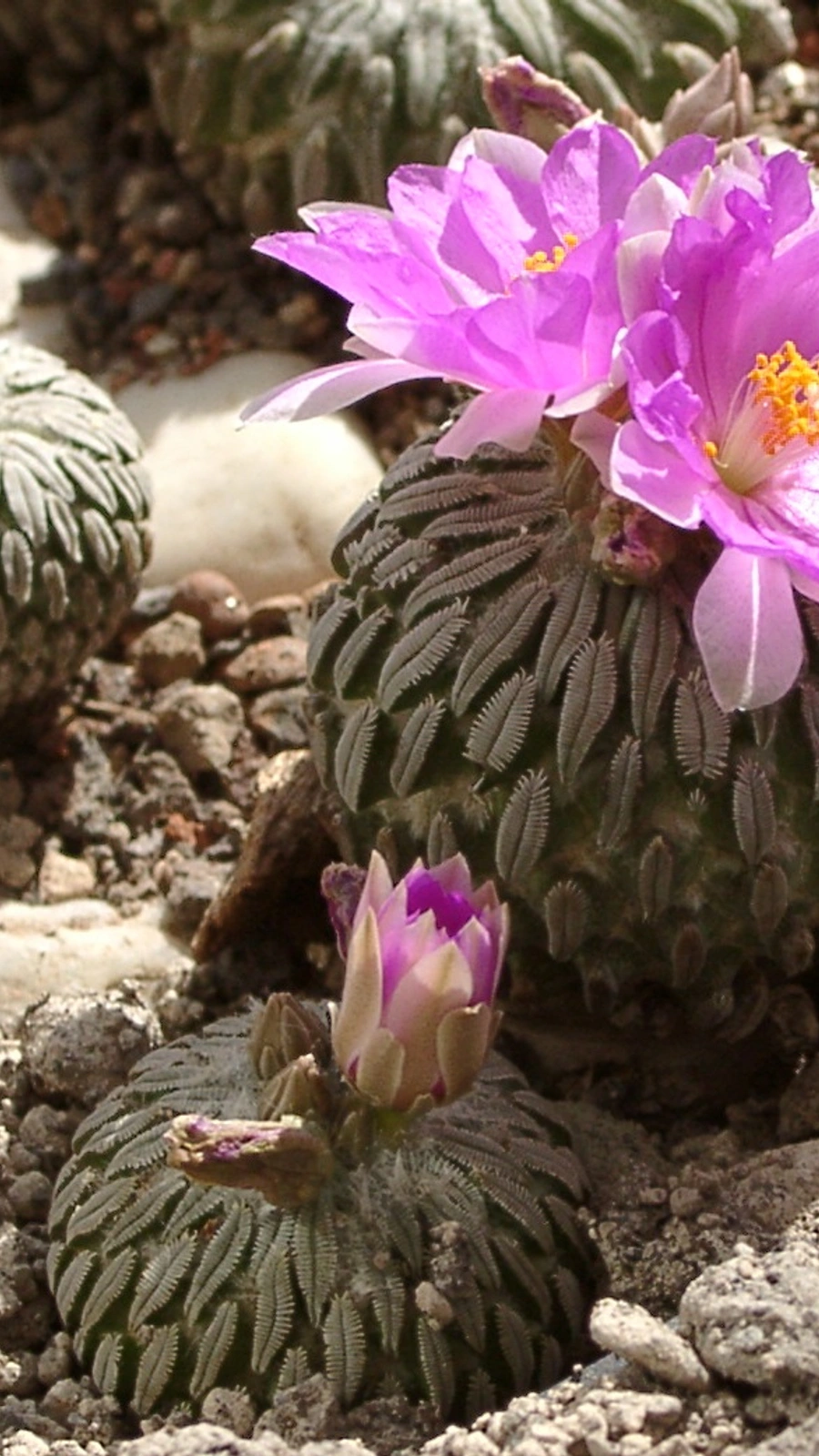
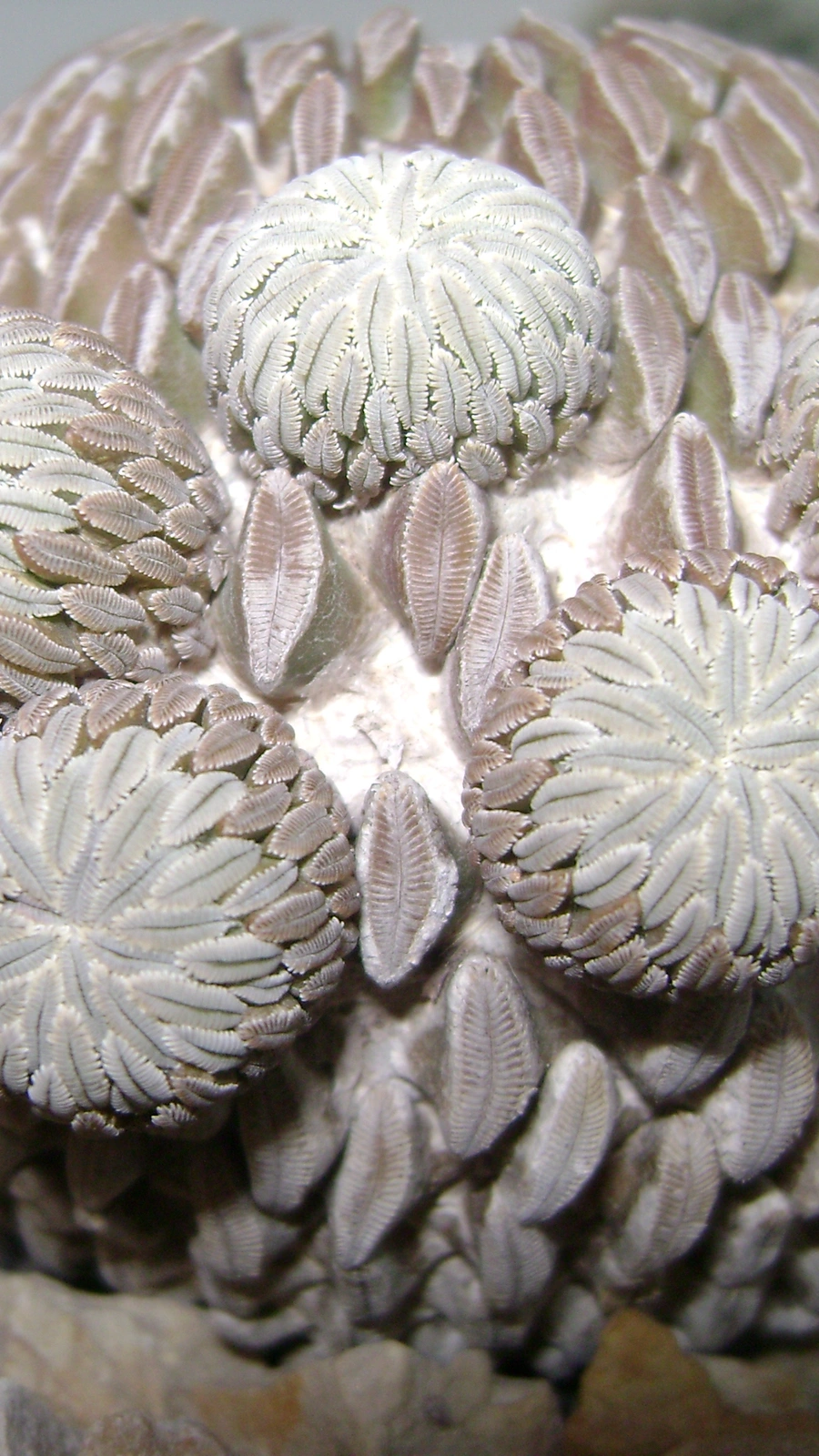
Pelecyphora aselliformis, commonly known as the Hatchet Cactus or Peotillo, is an extremely slow-growing and rare cactus species belonging to the family Cactaceae 1. It is highly prized among succulent enthusiasts for its unique, comb-like tubercle structure that mimics the appearance of a woodlouse.
First described by Ehrenberg in 1843, this species serves as the type species for the genus Pelecyphora. The genus name is derived from the Greek word "pelekys" (hatchet), referring to the flattened, hatchet-like shape of its tubercles. The specific epithet aselliformis translates to "shaped like a woodlouse" (Asellus), referencing the unique arrangement of the spines on the areoles 2.
Endemic to the Mexican state of San Luis Potosí, this cactus thrives at elevations of 1,850 to 2,400 meters above sea level. It populates arid and semi-arid scrublands, growing exclusively on limestone-rich gravel slopes and rocky outcrops under harsh, dry conditions 3.
The stem is greyish-green, globose to shortly cylindrical, typically reaching up to 10 cm in height and 5 cm in diameter. The highly distinctive tubercles are flattened laterally. The areoles are linear, bearing numerous tiny, scale-like, pectinately arranged spines that form a continuous crust over the tubercle tip. It produces vibrant magenta or deep violet flowers from the apex during spring and summer.
Pelecyphora aselliformis is considered a challenging species in cultivation due to its sensitive root system. It requires an entirely mineral substrate consisting of pumice, lava rock, and limestone grit. Adequate ventilation is crucial, and watering must be carefully regulated. Overwintering must be completely dry and cool 4.
The most prevalent error is overwatering, particularly in stagnant air or cold conditions, which leads to immediate root rot. Growing this species in standard organic potting soil is often fatal. Lack of adequate light results in etiolation, causing the stem to lose its characteristic compact form.
Requires bright, filtered sunlight or light shade during the hottest hours of summer.
Extremely dry-tolerant. Water sparingly in spring/summer and keep bone-dry in winter.
Requires a 100% mineral-based, limestone-rich gritty mix with absolutely no peat.
Non-toxic, but the tightly-packed, rigid pectinated spines should be handled with care.
Highly prone to rot on its own roots; suited for expert growers or grafted plant care.
Native exclusively to the high-elevation limestone hillsides of San Luis Potosí in Mexico, where it grows tucked among rocks and low desert shrubs.
