
Light
Bright Indirect Light
Requires bright, filtered sunlight; inadequate light causes the stem to stretch and thin.
 Reference image
 Reference image
Golden Ball Cactus
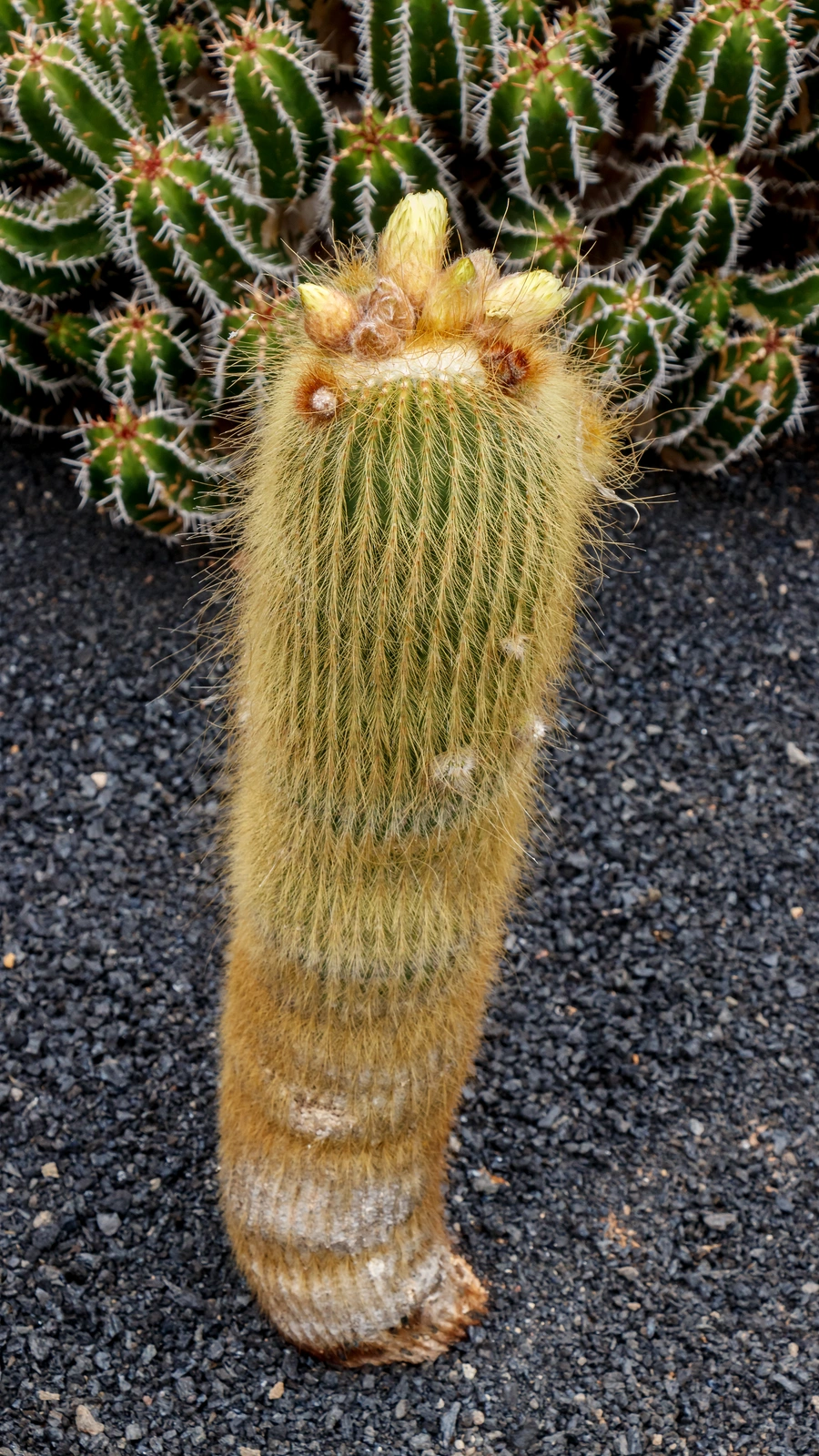
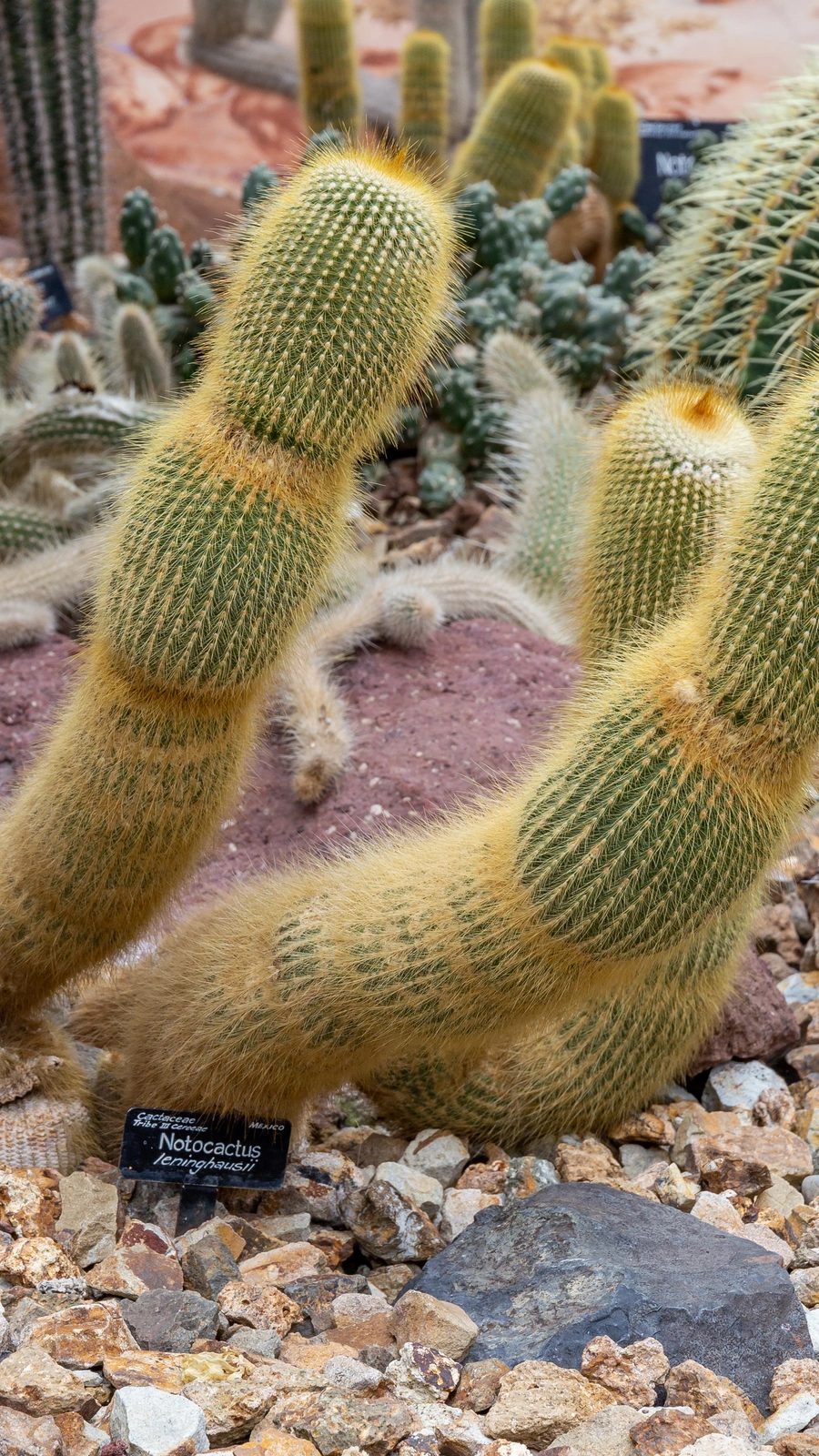
Parodia leninghausii, commonly known as the Golden Ball Cactus or Yellow Tower Cactus, is a highly popular columnar cactus. Known for its brilliant golden spines and attractive form, it is widely cultivated by succulent enthusiasts worldwide 1.
Belonging to the family Cactaceae, this species was originally described by the German botanist Karl Moritz Schumann. The specific epithet honors Guillermo Leninghaus, a German-born cactus collector who lived in Brazil. It has historically been classified under Notocactus leninghausii and Eriocactus leninghausii 2.
This species is endemic to the state of Rio Grande do Sul in southern Brazil. It typically grows on steep, rocky cliffs and grasslands at elevations between 300 and 1,300 meters above sea level. Due to habitat loss from agriculture, it is classified as Endangered (EN) on the IUCN Red List 1.
Initially globose, the stem becomes columnar as it matures, eventually reaching up to 1 meter in height and 10-12 cm in diameter. The stem features over 30 ribs, densely covered with soft, harmless, golden-yellow spines. The crown of the plant is characteristically slanted toward the sun. In summer, mature specimens produce beautiful, silky, lemon-yellow flowers up to 5 cm in diameter near the crown 2.
It thrives in bright, indirect sunlight or filtered sun. Highly porous, fast-draining gritty soil mixes are essential to prevent rot. Watering should be thorough but infrequent, allowing the substrate to dry completely between sessions. During winter, it requires a dry, cool rest period to promote next season's flowering 3.
Overwatering and poorly draining soil are the main causes of root rot. Lack of adequate light results in etiolation, causing the stems to grow thin, weak, and lose their vibrant golden coloration.
Requires bright, filtered sunlight; inadequate light causes the stem to stretch and thin.
Water only when the soil is dry during spring and summer; keep dry in winter.
Use a porous, sandy, and gritty cactus soil mix to ensure rapid drainage.
Its golden spines are relatively soft but can still prick. Non-toxic to cats and dogs.
Very easy to grow, making it ideal for beginners who can resist the urge to overwater.
Native to the rocky cliffs and highland grasslands of Rio Grande do Sul in southern Brazil, where it grows clinging to steep slopes.
