
Light
Bright Indirect Light
Bright, indirect light or filtered sunlight. Direct harsh afternoon sun can cause permanent scarring or sunburn.
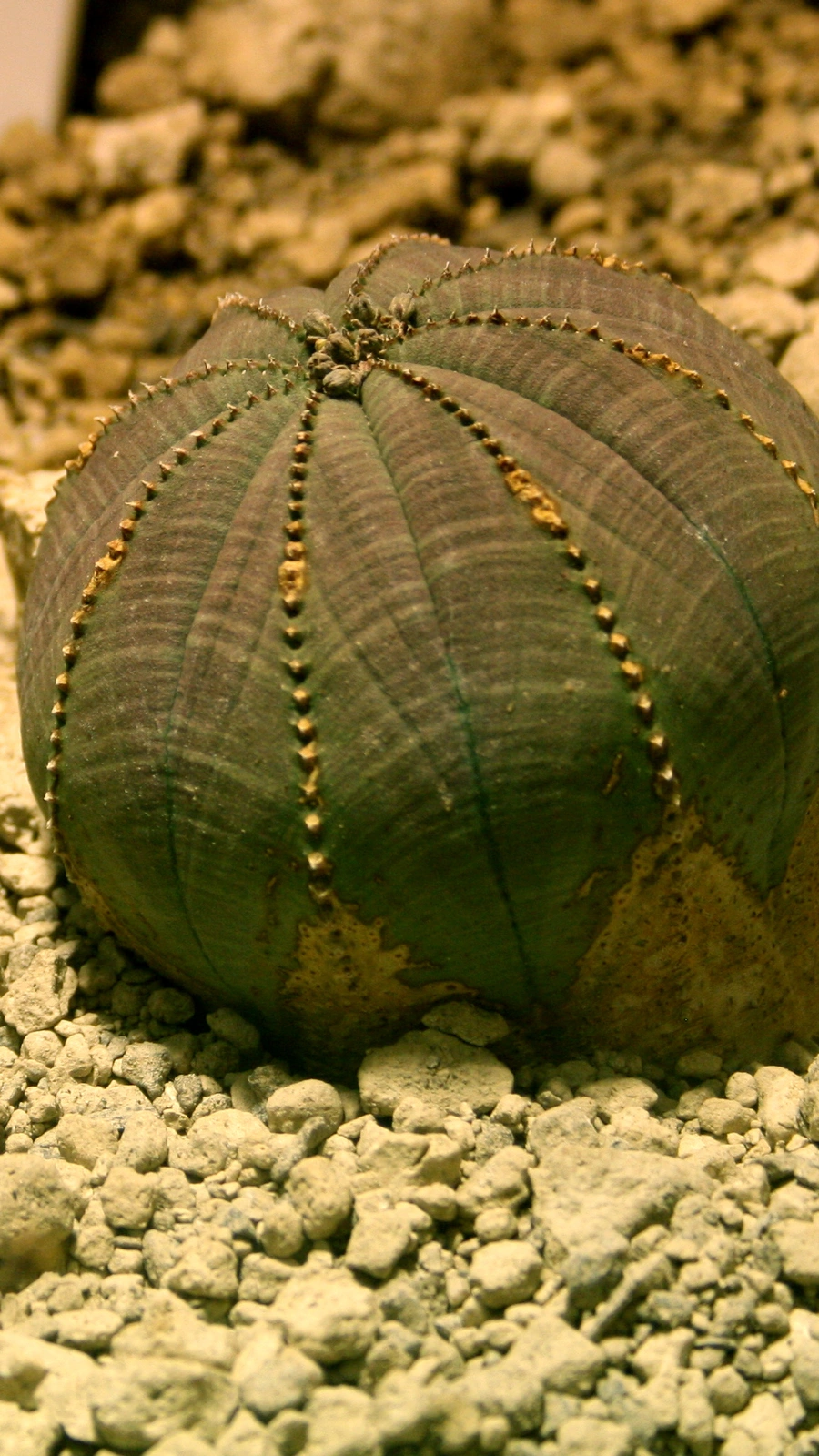 Reference image
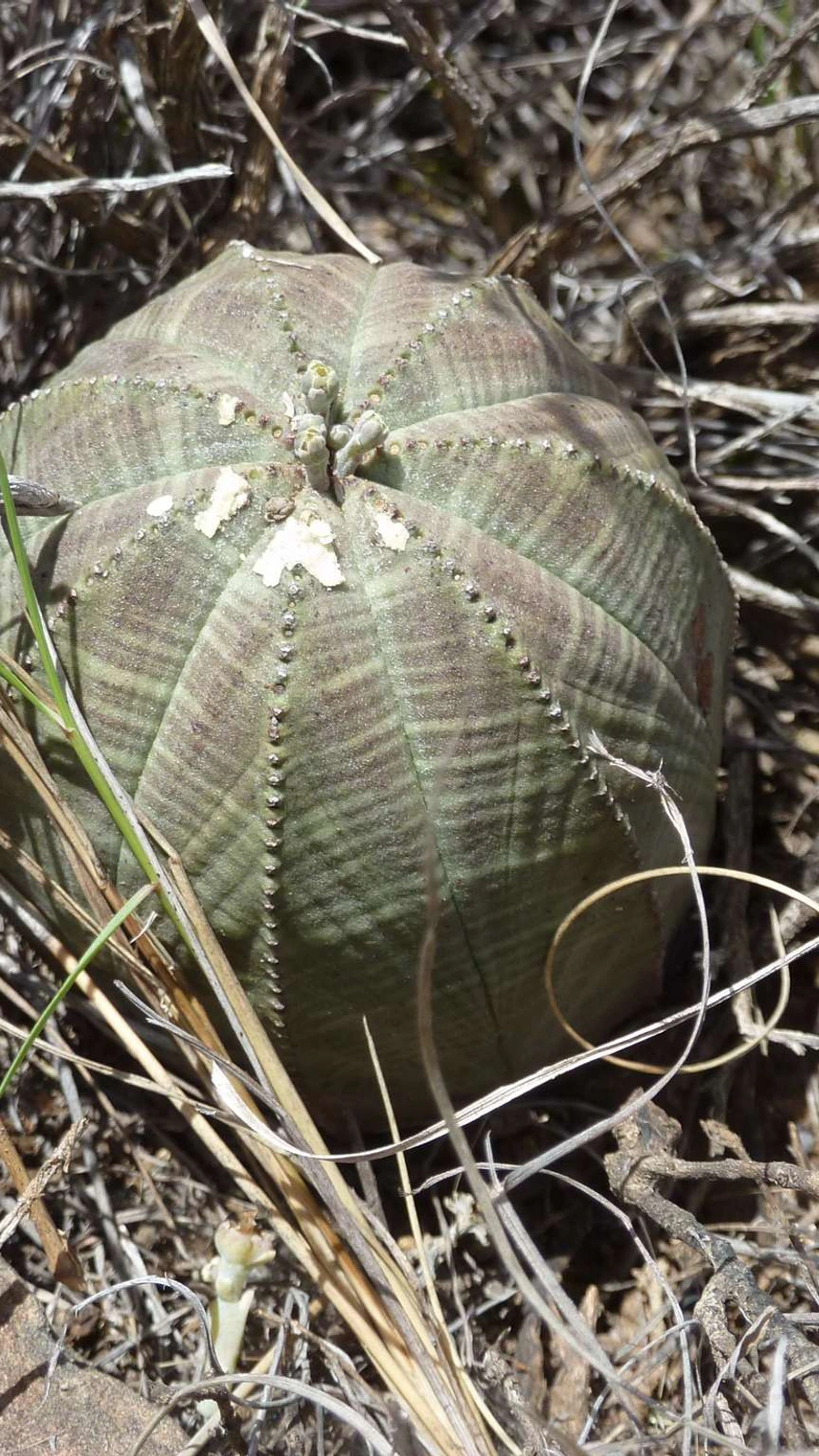 Reference image
Baseball Plant
Euphorbia obesa, commonly known as the Baseball Plant, is an extraordinarily symmetric, spineless succulent in the family Euphorbiaceae. Its globular form mimics a sea urchin or a baseball, making it a highly sought-after species among collectors.
Described in 1902 by Joseph Dalton Hooker, the specific epithet obesa refers to the plant's plump, rounded, and swollen appearance. Like all members of the genus Euphorbia, it contains a milky, sticky latex sap that is toxic and irritating 1.
It is endemic to the Great Karoo region of the Eastern Cape province in South Africa. In the wild, it grows on stony, shale-rich slopes under the protection of low-growing shrubs. Due to heavy poaching and slow growth, it is classified as Endangered in its natural habitat .
Young plants are perfectly spherical, becoming cylindrical as they mature, reaching up to 20 cm in height. The grey-green stem is divided into 8 broad, flat ribs decorated with fine transverse bands of purple-brown. It is dioecious, meaning individual plants are either male or female.
This plant thrives in bright, filtered light. It requires extremely well-draining mineral soil and a strict soak-and-dry watering regimen. It is highly susceptible to root rot if left in standing water or damp soil.
Overwatering during the winter dormancy and using dense, peat-heavy soils are the main causes of plant loss. Wet conditions quickly induce stem rot at the soil line.
Bright, indirect light or filtered sunlight. Direct harsh afternoon sun can cause permanent scarring or sunburn.
Water thoroughly only when the soil is completely dry in spring and summer. Keep dry in winter.
Requires excellent drainage. Use a mix with a high percentage of pumice, perlite, and coarse sand.
The white milky sap is toxic and highly irritating to skin and eyes. Keep away from pets and children.
Easy to care for if watering is controlled, but highly prone to rot if overwatered.
Endemic to the semi-desert Karoo region of the Eastern Cape, where it grows tucked among rocks and low scrub that provide partial shade from the scorching South African sun.
