Native OriginCoahuila, north-eastern Mexico
OriginAdana
TypeNatural Species
ProductionNursery Stock
Doctor's Note

Dr. Prescription: Mammillaria luethyi Care Dear Cactus Enthusiast,

Your Mammillaria luethyi is a delicate species that deserves special attention. Here are some crucial tips for the first few days:

  • Sunlight: Your plant loves direct sunlight. Place it where it can receive at least 6-8 hours of direct sun. Insufficient light can lead to distorted growth.
  • Soil and Pot: Always use a very well-draining, sandy, and mineral-heavy cactus soil. Ensure the pot has drainage holes at the bottom. Terracotta pots are ideal for moisture balance.
  • Watering: Mammillaria luethyi is highly sensitive to overwatering. Water thoroughly when the soil is completely dry, and wait for the soil to dry out completely before the next watering. During winter, almost completely cease watering or provide minimal drip watering once a month. Never leave water in the saucer.
  • Airflow: Good air circulation is vital to prevent fungal diseases.
  • Nutrition: During the growing season (spring-summer), you can feed it a low-nitrogen fertilizer specially formulated for cacti, once a month, diluted.

With proper care, this special species will maintain its beauty in your collection for many years. Remember, patience is key!

KD_MAMMILLARIA_LUETHYI_001

Mammillaria luethyi

TRY 1,599
In Stock
Only 4 pcs left
Size
Free ShippingVAT included.

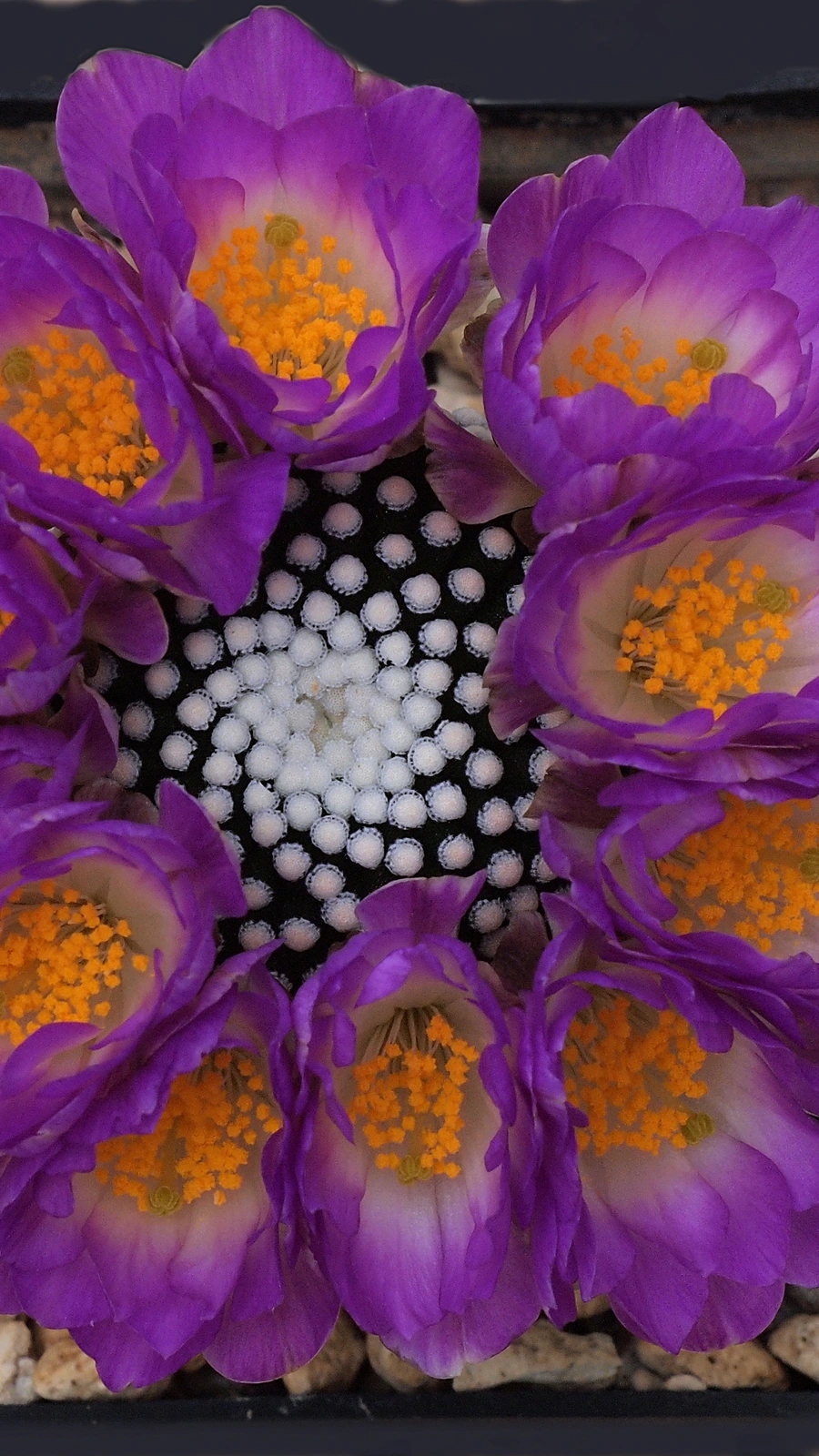
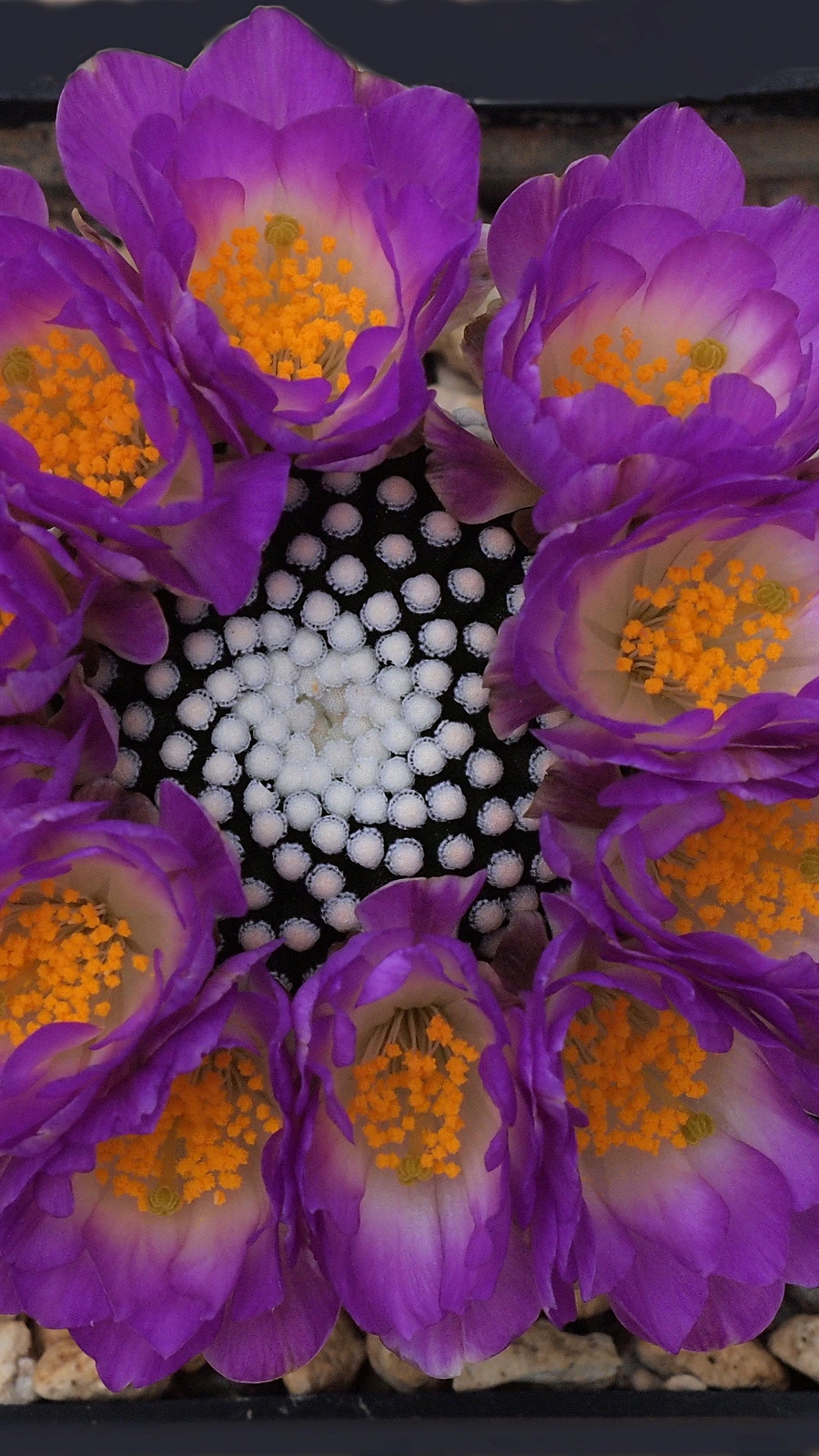
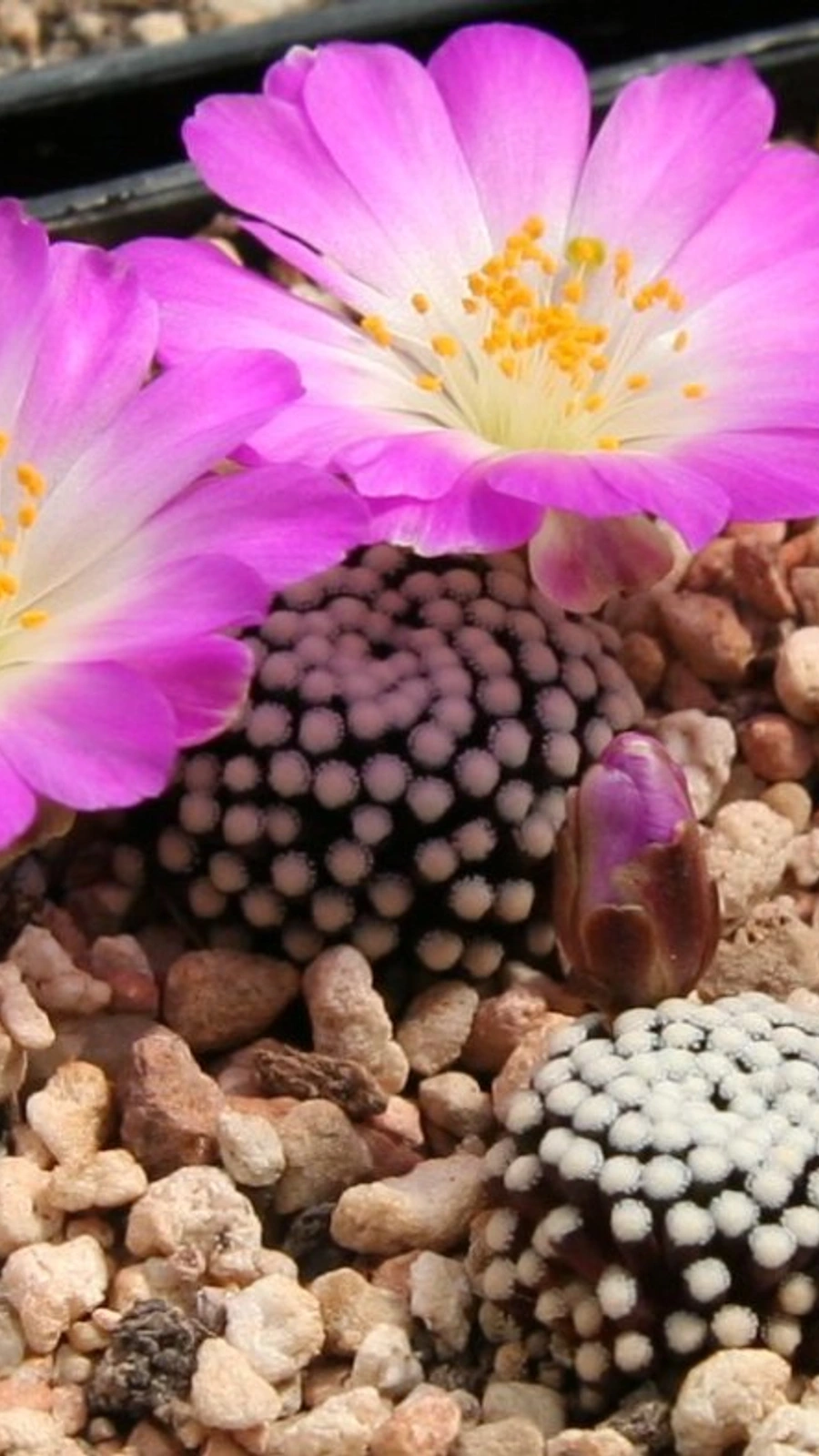
Mammillaria luethyi: The Jewel of Your Collection This rare and captivating cactus is one of the most sought-after species in the Mammillaria genus. It stands out with its small, globular body and distinctive tubercles, each adorned with short, white spines, giving it a unique textured appearance. The vibrant purple or pink flowers, typically blooming in late spring to early summer, crown this miniature beauty.

Mammillaria luethyi is a challenge for experienced cactus enthusiasts, demanding patience and meticulous care. When provided with the right conditions, it promises to be one of the most prized possessions in your collection. Excellent drainage and abundant direct sunlight are crucial for its healthy development. This special species is not just a plant; it's an artistic marvel offered by nature.

Why Mammillaria luethyi?

  • Rare Species: A distinguished and hard-to-find piece for cactus collections.
  • Unique Appearance: A visual delight with its small, tuberculate structure and white spines.
  • Vibrant Blooms: Offers a captivating spectacle with its purple/pink flowers.
  • Collector's Value: A prestigious addition for seasoned enthusiasts.
Light
Direct Sun

A very bright but controlled position is suitable. Because of the small body and near-surface habit, harsh summer sun should be introduced gradually; grafted or pale commercial specimens require separate assessment.

Soil
A highly mineral, coarse, low-retention, fast-drying cactus mix.

A highly mineral, coarse, low-retention, fast-drying cactus mix.

Water
Measured

Do not use a fixed calendar. Water deeply after complete drying and reduce frequency during cool or low-light periods.

Difficulty
Hard

Its narrow moisture tolerance, small body, and conservation sensitivity require advanced attention; ethical nursery provenance matters as much as cultivation technique.

Frequently Asked Questions

Where is Mammillaria luethyi native?
The native range is recorded as Coahuila in north-eastern Mexico.
What is its conservation status?
VU is retained for wild populations; it does not describe commercial pot inventory.
How often should it be watered?
There is no fixed interval. Water deeply only after the mix has dried throughout and remove all excess water.
Can it take direct sun?
A very bright but controlled position is suitable. Because of the small body and near-surface habit, harsh summer sun should be introduced gradually; grafted or pale commercial specimens require separate assessment. Acclimate a lower-light plant over several weeks.
What growing medium is suitable?
A highly mineral, coarse, low-retention, fast-drying cactus mix.
Can it be identified by spine colour alone?
No. Tubercles, areoles, spines, flowers, fruits, and—when available—provenance should be evaluated together.
Is it safe around pets?
Strong evidence of chemical toxicity is lacking, but the spines present a mechanical risk to eyes, mouth, and skin.
Does the commercial form represent the whole wild species?
No. A grafted or colour-mutant commercial specimen does not represent the full stem, root, and population variation of the wild species.

Reviews

There are no reviews for this product yet.

Care reminder list

Get seasonal care reminders for this product at your preferred frequency. You can change the email address below and unsubscribe from any reminder email.