
 Reference image
 Reference image
Maihueniopsis ovata
Oval Living Rock Cactus
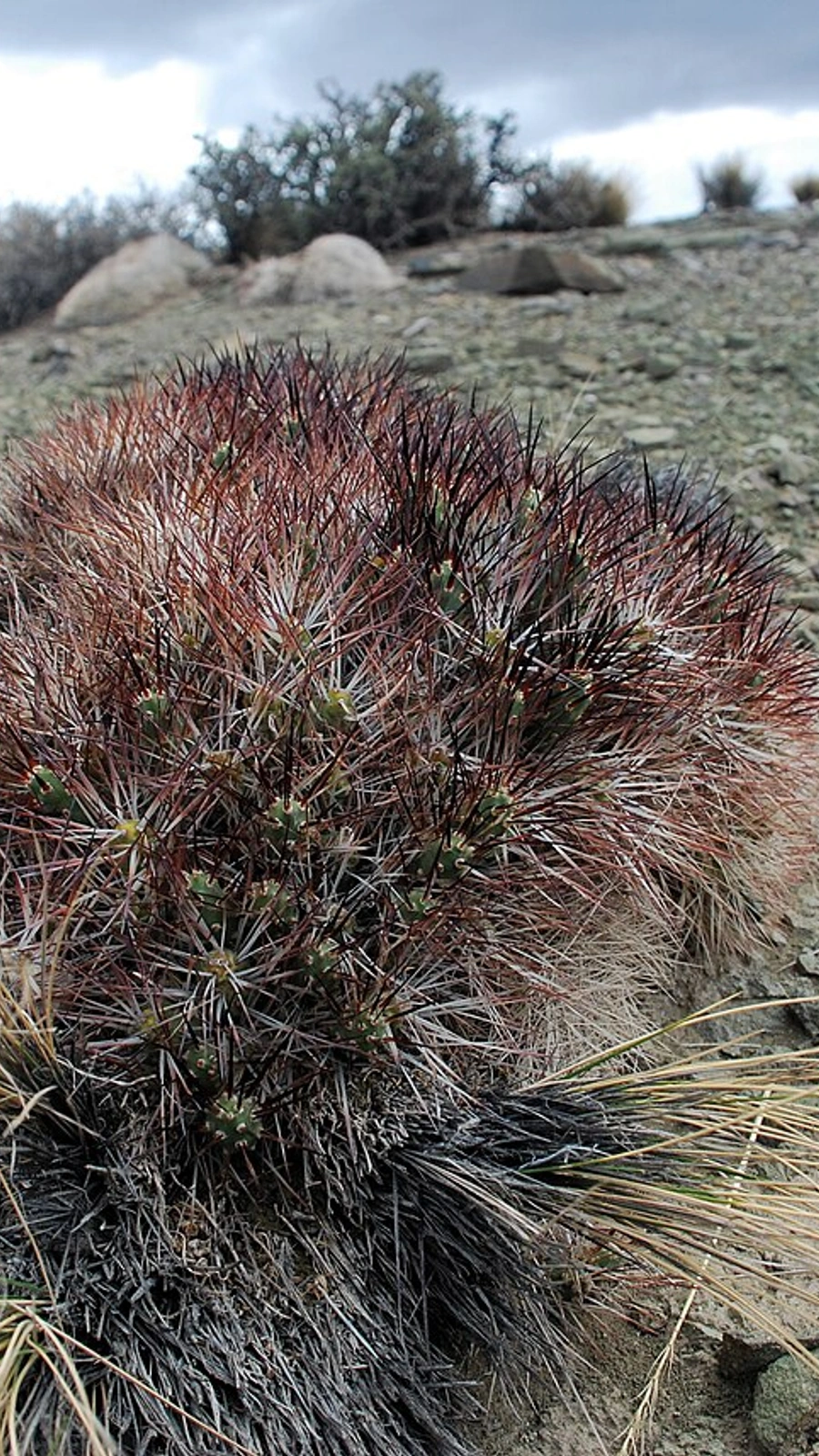
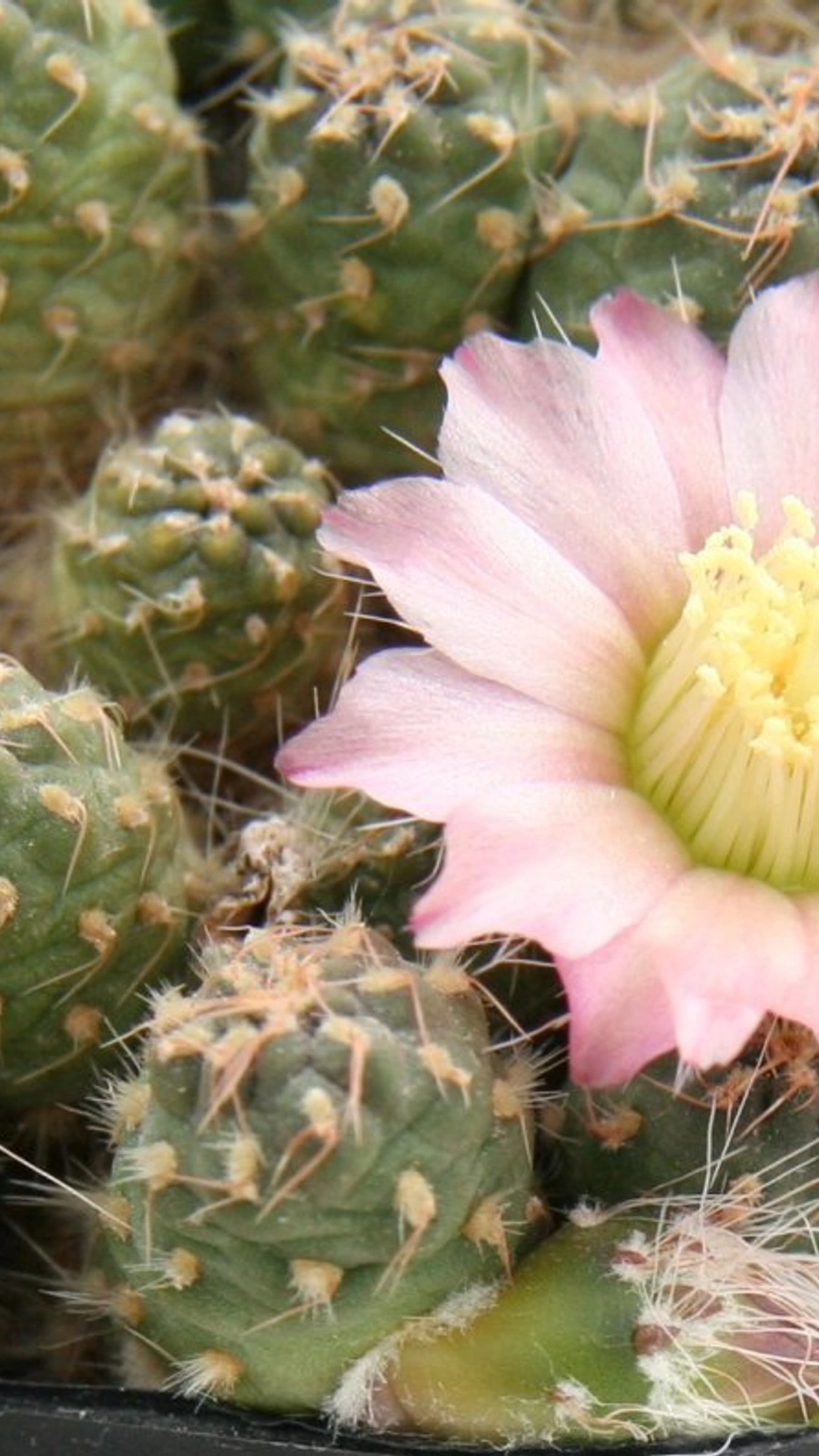
Maihueniopsis ovata is a striking, cold-hardy cactus species native to the high Andes Mountains of Chile and Argentina. This species is characterized by its often flattened, oval or rounded stems and distinct tubercles. Its surface can be glaucous blue-green and is typically covered with dense spines, giving it a wild and captivating appearance.
For Collectors: Maihueniopsis ovata is a long-lived addition to any collection, thanks to its slow growth and adaptation to harsh conditions. Its cold hardiness, in particular, makes it an attractive choice for outdoor cactus gardens. This special species from Kaktüs Doktoru, with its rare presence, is poised to become the star of your collection. Challenging the difficulties of its natural habitat, this plant will display a powerful character in your home or garden.
Key Features:
- Hardy and Low Maintenance: Ideal for new cactus enthusiasts or those with limited time.
- Unique Appearance: Distinctive oval stems and spiny texture set it apart from other cacti.
- Cold Resilience: High tolerance to low temperatures, suitable for outdoor cultivation in many climates.
- Slow Growth: Maintains its form for many years, requiring minimal pruning.
Optimal: 18 °C
The live `full_sun` operational enum is preserved; do not equate high-elevation light with a hot enclosed setting, and provide gradual acclimation and airflow.
Use a porous, very fast-draining mineral mix rich in coarse sand and pumice; keep the root zone dry during the cool period.
Do not use a fixed-day calendar; water in a controlled cycle only after the root zone and mineral mix have dried throughout, and extend the interval substantially in cool or low-light periods.
Live operational care class: moderate.
Frequently Asked Questions
What is the accepted name?
What is its native range?
How often is it watered?
What medium is suitable?
What light is suitable?
Are synonyms separate species routes?
Does a product photograph prove identity?
Is conservation status based on retail stock?
Reviews
There are no reviews for this product yet.
Recently Viewed
Care reminder list
Get seasonal care reminders for this product at your preferred frequency. You can change the email address below and unsubscribe from any reminder email.
