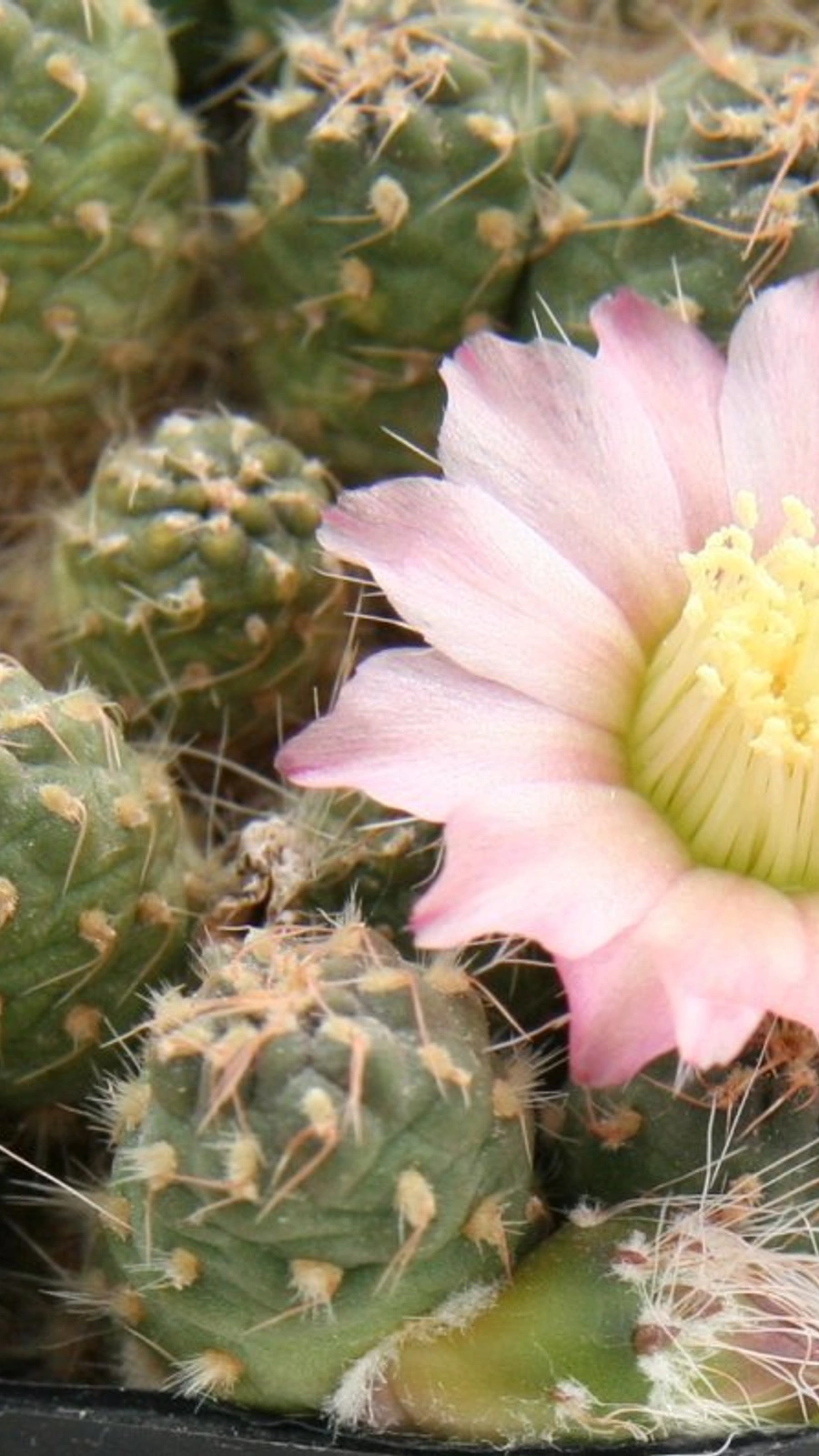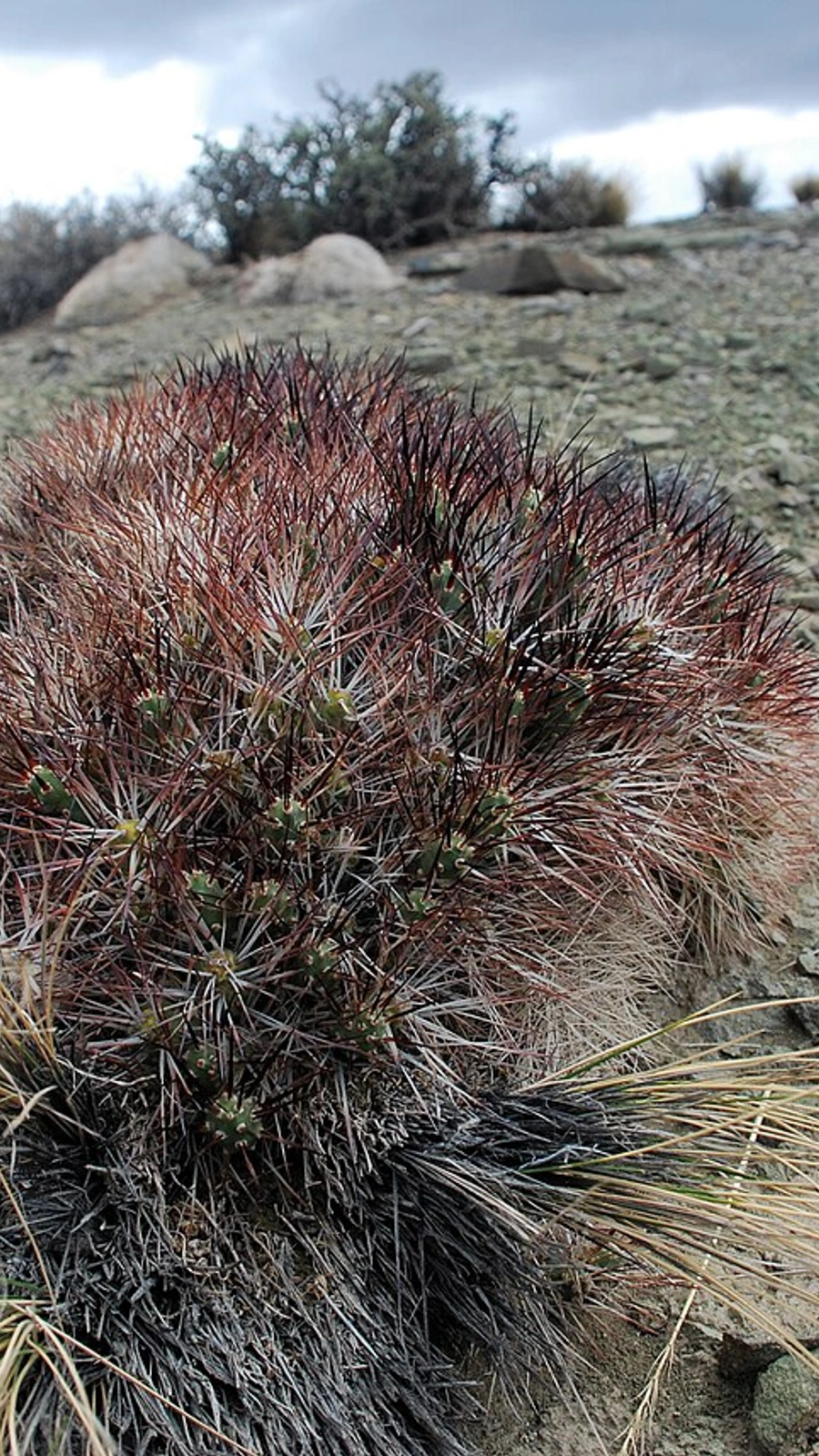
Native OriginArgentina and Chile (Andean Range)
OriginAdana
TypeNatural Species
ProductionSeed Grown
Doctor's Note

Dr.'s Prescription: Maihueniopsis glomerata Care Tips

Your new Clustered Maihueniopsis 'Maihueniopsis glomerata' has arrived! Be gentle with it during the first few days and allow it time to acclimate to its new environment.

  • Sunlight: This species loves full sun. It is not afraid of direct midday sun, so choose your sunniest window or balcony.
  • Watering: Water thoroughly when the soil is completely dry. It may need water more frequently during its active growing season, especially in summer. Minimize or completely stop watering in winter.
  • Soil: Use a well-draining cactus soil mix. The pot must have drainage holes at the bottom.
  • Repotting: Do not repot immediately upon arrival. After a few weeks of acclimation, when your plant has completely filled its current pot, you can move it to a pot one size larger.
  • Protection: Protect from cold and excessive humidity. It can be sensitive to frost.
KD_MAIHUENIOPSIS_GLOMERATA_001

Maihueniopsis glomerata

Glomerate Maihueniopsis

TRY 1,445
In Stock
Last one
Size
Free ShippingVAT included.

Maihueniopsis glomerata: A Natural Wonder of the Andes

Maihueniopsis glomerata, also known as the "Clustered Maihueniopsis," is a rare and resilient cactus species originating from the high-altitude plateaus of the Andes Mountains. This plant forms dense, cushion-like clusters over time, offering a spectacular visual display. Its greenish stems and prominent areoles transform each specimen into a unique work of art.

A Collector's Prized Possession

This special cactus is an attractive choice for both novice and experienced collectors. With its ability to adapt to harsh conditions, it will grace your home or garden with beauty for many years when given proper care. At Kaktüs Doktoru, we ensure to provide the healthiest specimens of Maihueniopsis glomerata, preserving its natural form and resilience.

Where Aesthetics Meet Durability

Its low-maintenance nature makes it an easy fit for modern living spaces. It creates a unique focal point on your balcony, terrace, or sunny windowsill. With careful attention to soil selection and a proper watering schedule, this clustered cactus will bring you immense joy.

Temperature
-15-38 °C

Optimal: 22 °C

Light
Full Sun

Requires full sun; direct sunlight for at least 6 to 8 hours daily is essential for tight growth.

Soil
Highly porous, mineral-rich cactus grit containing pumice, lava rock, and coarse sand

Requires an extremely gritty, mineral-heavy substrate with pumice, grit, and very little peat.

Water
14-45 Days

Water very sparingly in summer after the soil dries out completely. Keep absolutely dry in winter.

Difficulty
Moderate

Moderate. It requires strict watering discipline, especially during the cold winter dormancy.

Frequently Asked Questions

Can Maihueniopsis glomerata be grown indoors?
Yes, but only in very sunny south-facing windows. Lack of direct sunlight will cause the stems to stretch abnormally.
How often should it be watered in summer?
During hot summer days, water thoroughly only after the soil has dried out completely (approx. every 10-14 days).
Should it be watered during winter?
No, during winter dormancy (November to March), the plant must be kept completely dry. Cold and wet soil causes rot.
Is this cactus frost-resistant?
Yes, it is highly cold-hardy and can withstand frosts down to -15°C (5°F), provided the soil is kept bone-dry.
What kind of potting soil should be used?
An extremely porous mineral mix containing pumice, lava rock, and coarse sand, with less than 10% organic matter.
When does it bloom?
After proper winter dormancy and plenty of summer sun, it produces yellow or cream-colored flowers at the stem tips in mid-summer.
How fast does it grow?
Being an alpine cactus, its growth rate is very slow. It takes several years to form a sizable clump.
Is it toxic to pets?
It is not chemically toxic, but its physical spines can cause injury to pets' paws and mouths. Keep out of reach.
How do you propagate it?
It can be easily propagated by detaching stem segments, letting them dry for a few days, and then rooting them in dry mineral grit.
Is it normal for the body to shrivel slightly?
Slight shriveling in winter is normal due to dryness. However, severe shriveling in summer may indicate root loss or extreme dehydration.

Reviews

There are no reviews for this product yet.

Care reminder list

Get seasonal care reminders for this product at your preferred frequency. You can change the email address below and unsubscribe from any reminder email.