Native OriginMexico (Coahuila)
OriginAdana
TypeNatural Species
ProductionSeed Grown
Doctor's Note

First Care Tips from Kaktüs Doktoru: For Your Lophophora fricii

Dear Cactus Enthusiast,

Congratulations on your new Lophophora fricii! Here are some practical tips from Dr. Cactus for the healthy growth of this unique plant:

  1. Proper Placement: Lophophora fricii thrives in bright, indirect light. Direct midday sun can cause sunburns on its delicate epidermis. An east or west-facing window is ideal.
  2. Pot and Soil: Use a pot with excellent drainage and a well-draining, gritty soil mix specifically formulated for cacti. Ensure no water accumulates at the bottom of the pot.
  3. The Art of Watering: This cactus is known for its ability to store water. Water thoroughly only when the soil is completely dry – you'll feel the pot become lighter when lifted. During winter months, reduce watering frequency to a minimum or stop entirely.
  4. Air Circulation: Good air circulation helps prevent fungal diseases. Provide a fresh environment around your plant.
  5. Patience and Observation: Lophophora is a slow-growing species. Observe it to understand its language. Every plant is an individual and may react differently to its environment.

Remember, with love and patience, your Lophophora fricii will accompany you with its beauty for many years. If you have any questions, Kaktüs Doktoru is always here to help!

KD_LOPHOPHORA_FRICII_001

Lophophora fricii

Fric's Peyote

TRY 7,750
In Stock
Almost gone

Lophophora fricii: Your Rare Collector's Gem

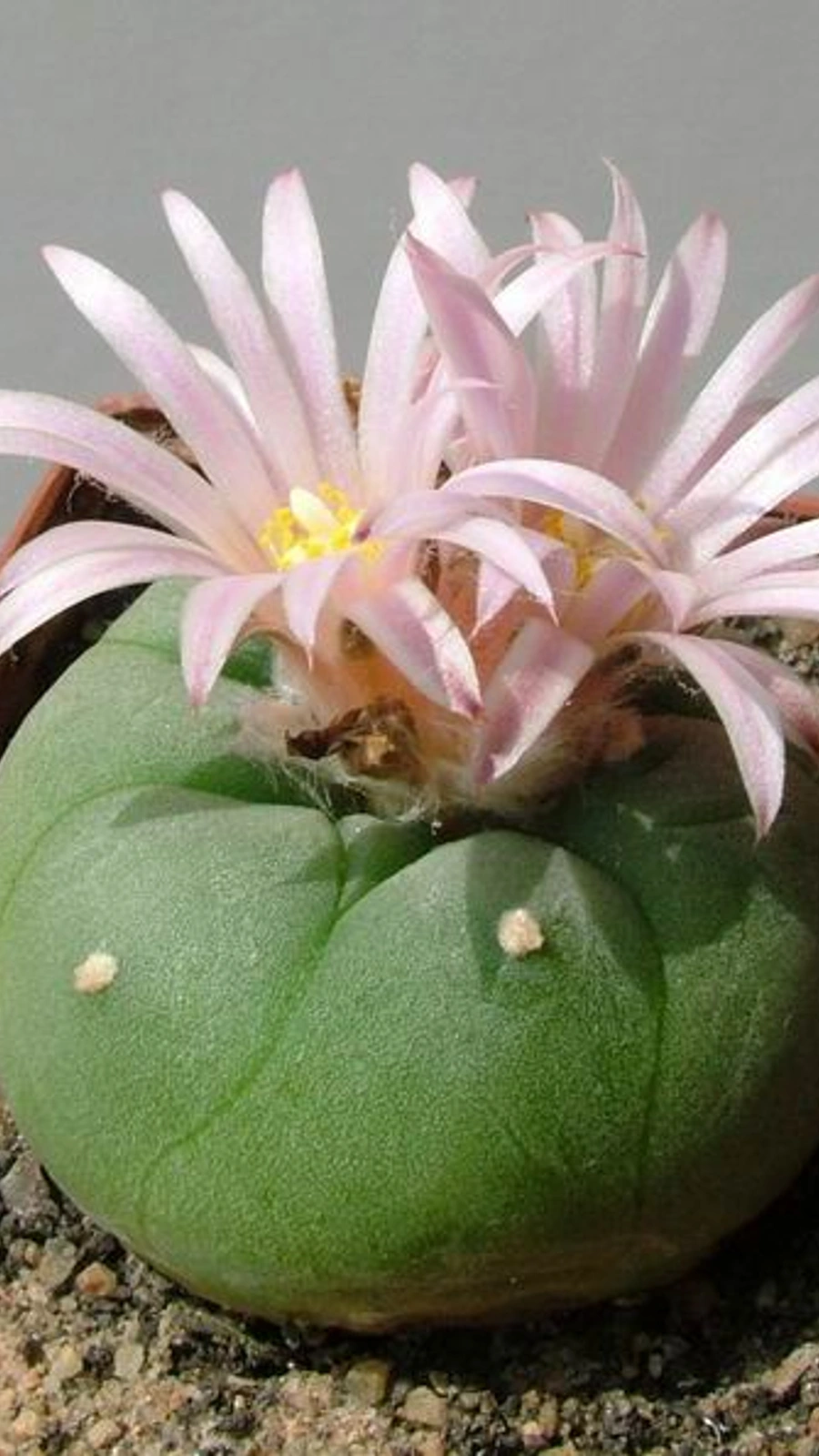
At Kaktüs Doktoru, we pride ourselves on offering unique and captivating species for plant enthusiasts. Lophophora fricii, also known as Fric's Peyote, is a rare and distinctive cactus species. With its deep green hues and lobed body adorned with soft, woolly areoles, this plant brings a serene ambiance to any setting.

Why Choose Lophophora fricii?:

  • Unique Aesthetics: Its round, lobed structure sets it apart from other cacti. The white tufts emerging from its areoles add a delicate touch.
  • Collector's Item: Highly sought after among cactus collectors, it is ideal if you wish to add a prestigious piece to your collection.
  • Easy Care: When provided with the right conditions, it is quite resilient and low-maintenance, suitable even for those with busy schedules.
  • Calming Presence: Its minimalist and tranquil appearance, reminiscent of its natural habitat, brings a peaceful energy to your indoor spaces.

This special cactus will not only add a sophisticated touch to your home or office but will also nurture your passion for plant care. Acquire your limited-edition Lophophora fricii today and make it the star of your collection!

Free Shipping
Temperature
5-38 °C

Optimal: 24 °C

Light
Bright Indirect Light

Requires bright, filtered sunlight. Protect from intense, direct afternoon sun to prevent epidermis scorching.

Soil
Completely inorganic, porous, and fast-draining pumice and lava rock mix

Use an organic-free substrate composed of pumice, lava rock, zeolite, and coarse sand for ultimate drainage.

Water
14-45 Days

Water strictly on a soak-and-dry cycle in spring/summer. Keep completely bone-dry throughout the winter.

Difficulty
Moderate

Moderate to hard due to the strict watering requirements and high vulnerability of the taproot to overwatering.

Frequently Asked Questions

Is Lophophora fricii toxic to pets?
Yes, it contains high amounts of alkaloids, making it highly toxic to cats, dogs, and other pets. Keep it in a secure location.
How often should it be watered?
In summer, water approximately every 14 days after checking that the soil is completely dry. Keep it totally dry during winter.
When should it be repotted?
Due to its very slow growth rate, repotting every 3-4 years in early spring in a deep, porous pot is sufficient.
Which soil mixture should be used?
Never use peat-based soils. Opt for a 100% mineral mix consisting of pumice, lava rock, clay pebbles, and limestone grit.
What is the minimum temperature it can survive in winter?
It can tolerate brief drops down to 5°C (41°F) provided it is kept absolutely dry, but it must be protected from freezing frost.
What is required for it to bloom?
Abundant bright indirect light in spring/summer and a cold, completely dry winter dormancy period will encourage blooming.
How large does Lophophora fricii grow?
It is slow-growing; individual stems rarely exceed 10-12 cm in diameter, though it may slowly clump over time by offsetting.
Can it be placed in direct summer sun?
It should be shielded from intense midday sun. Filtered windows or shade structures getting morning or late afternoon sun are ideal.
Why is the taproot so important?
The plant stores water in this thick root. In compacted, wet soils, this root cannot breathe and will rapidly rot, killing the plant.
Why is it confused with Lophophora williamsii (Peyote)?
Though visually similar, Lophophora fricii differs by its deep pink flowers, distinct rib structure, and absence of mescaline.

Reviews

There are no reviews for this product yet.

Care reminder list

Get seasonal care reminders for this product at your preferred frequency. You can change the email address below and unsubscribe from any reminder email.