Native OriginMexico (Southern and Central)
OriginAdana
TypeNatural Species
ProductionNursery Stock
Doctor's Note

Dr. Prescription: First Care Tips for Your Rat Tail Cactus

Congratulations on your new Rat Tail Cactus! To ensure your vibrant new friend enjoys a long and healthy life, here are some practical tips from Kaktüs Doktoru:

  • Light: Choose a bright spot that is protected from direct midday sun. Morning sun or filtered light is ideal. Excessive sun can cause sunburn.
  • Watering: Water thoroughly when the soil is completely dry. Water until water drains from the pot's drainage hole, and allow any excess water to escape. Reduce watering during winter months.
  • Soil: Use a well-draining soil mix specifically formulated for cacti and succulents.
  • Humidity: It appreciates higher humidity, so occasional misting can be beneficial, but be careful not to leave water standing on the soil.
  • Pot: As it grows, you might prefer a hanging basket or a tall stand to best display its trailing habit.

With these simple tips, you can maintain the beauty of your Rat Tail Cactus for years. Remember, observing your plant's needs is the best care guide!

KD_APOROCACTUS_FLAGELLIFORMIS_001

Aporocactus flagelliformis

Rat-tail Cactus

TRY 915
In Stock
Only 2 pcs left
Size
Free ShippingVAT included.

Aporocactus flagelliformis: The Uniquely Beautiful Rat Tail Cactus

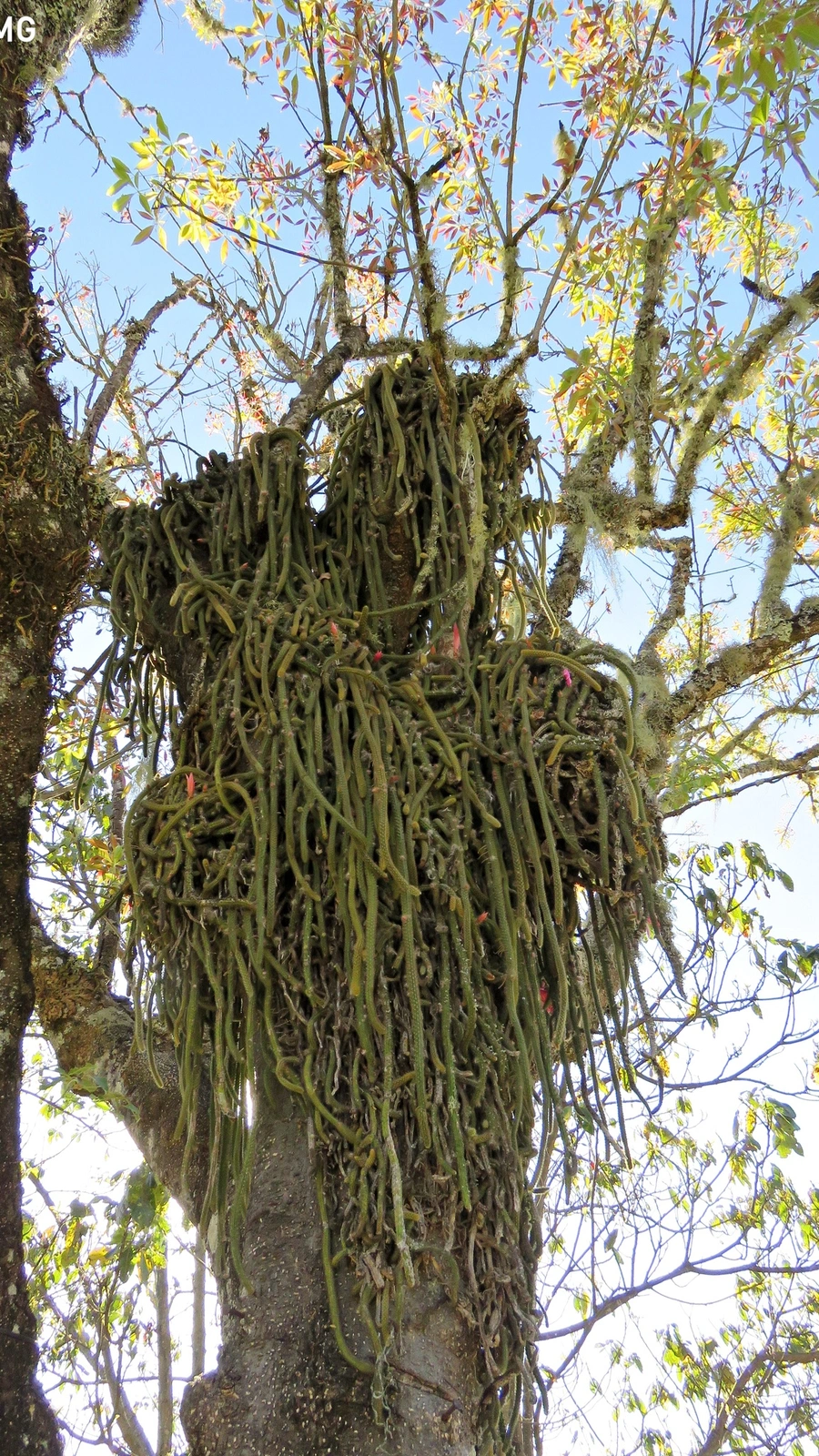
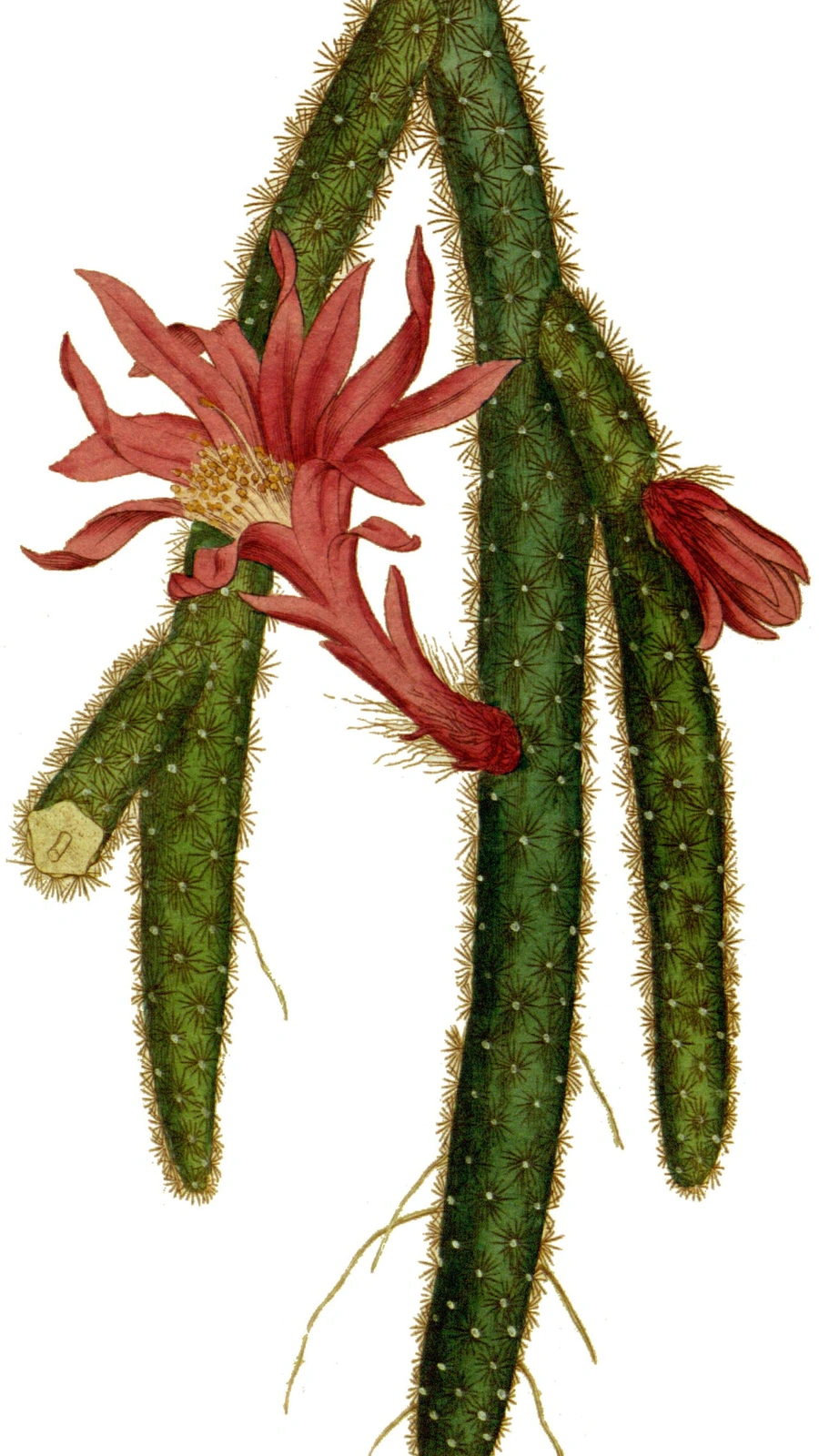
From Kaktüs Doktoru, introduce an exotic touch to your home or office with Aporocactus flagelliformis, commonly known as the Rat Tail Cactus. This species is famous for its long, slender, and trailing stems, taking its name from their resemblance to a rat's tail. Its striking pink or reddish flowers, typically blooming in spring, add an extra layer of charm to this intriguing cactus.

Why Choose the Rat Tail Cactus?

  • Unique Appearance: Stands out with its cascading habit, differing from typical cactus forms. It looks magnificent in hanging baskets or on high shelves.
  • Easy Care: It's remarkably easy to care for, even for beginner plant enthusiasts. It thrives quickly when basic cactus care principles are followed.
  • Abundant Blooms: Under the right conditions, it offers a visual feast with its vibrant flowers blooming in spring.
  • Resilient Nature: Possessing the general hardiness of cacti, it makes a long-lasting plant companion.

Add natural elegance and color to your living spaces with Aporocactus flagelliformis. This special cactus will become an indispensable part of your collection, offering both aesthetic and practical advantages.

Temperature
5-35 °C

Optimal: 22 °C

Light
Bright Indirect Light

Requires bright, indirect or filtered sunlight. Avoid direct, intense afternoon sun which can scorch the stems.

Soil
Rich, humusy, highly-drained, slightly acidic cactus soil mix

A rich, well-draining potting mix with added organic matter, perlit, and coarse sand.

Water
7-20 Days

Water regularly from spring to autumn, allowing the top soil to dry. Keep almost completely dry in winter.

Difficulty
Moderate

Moderate difficulty. Needs a cool winter period to trigger its famous spring blooming cycle.

Frequently Asked Questions

How often should I water my Rat-tail Cactus?
Water it when the top inch of soil dries out during spring and summer (about once a week). In winter, reduce watering to once a month or keep the soil almost completely dry.
Why is my Rat-tail Cactus not blooming?
It needs a cool winter dormancy to trigger blooming. Keep the plant in a cool room (10-15°C) and mostly dry during winter to encourage spring flowers.
Is it toxic to pets?
No, *Aporocactus flagelliformis* is non-toxic to pets. However, due to its fine prickly spines, it is best kept in a hanging basket out of reach of curious animals.
What kind of soil mix should I use?
Use a well-draining, humus-rich cactus mix. Adding a small amount of peat moss and extra perlite to standard cactus soil creates the ideal substrate.
How fast does the Rat-tail Cactus grow?
Under optimal conditions, it is a relatively fast grower. The stems can grow 20-30 cm per year, quickly forming a beautiful cascading display within a few seasons.
Should it receive direct sunlight?
It prefers bright, filtered light or gentle morning/evening sun. Harsh, direct midday summer sun can scorch and yellow the stems.
How do you propagate a Rat-tail Cactus?
It is easily propagated by stem cuttings. Cut a 10-15 cm stem piece, let it callus for a few days, and then plant it in moist, sandy soil to root.
Why are the stems growing thin and pale?
This is usually a sign of insufficient light (etiolation). Move your plant to a brighter location with plenty of indirect sunlight.
When should I repot my Rat-tail Cactus?
Repot every 2-3 years in spring, right after the blooming period ends, when the roots have filled the current pot.
Why is my Rat-tail Cactus getting brown spots?
Soft brown spots usually indicate rot from overwatering. Dry, hard brown spots may be caused by sunburn or physical damage to the stems.

Reviews

There are no reviews for this product yet.

Care reminder list

Get seasonal care reminders for this product at your preferred frequency. You can change the email address below and unsubscribe from any reminder email.