Tribe

Pterocacteae

Pterocacteae

What is Pterocacteae?

Pterocacteae Kuntze is a predominantly South American tribe within Opuntioideae. The broad 2025 phylogenomic classification of Cactaceae notes that the name Pterocacteae has nomenclatural priority over the later Tephrocacteae. In that treatment, lineages formerly placed under Austrocylindropuntieae or Tephrocacteae are brought together within a broader Pterocacteae.1

Circumscription

The current circumscription includes five principal genera: Austrocylindropuntia, Cumulopuntia, Maihueniopsis, Pterocactus, and Tephrocactus.1 Several smaller generic names are treated as synonyms or segregates within these lineages. The phylogenomic classification, for example, places Punotia very close to Austrocylindropuntia and treats Puna within Maihueniopsis.

Members are mainly terrestrial plants with segmented, cylindrical stems. Dwarf cushion-forming and geophytic forms with thickened underground organs are common, although Austrocylindropuntia also contains medium-sized shrubs and small tree-like plants. This breadth of form means that the tribe cannot be diagnosed by a single growth habit.

Phylogenetic relationships

The large nuclear dataset supports a close relationship between Cumulopuntia and Austrocylindropuntia. Punotia was also recovered as a strongly supported close relative of Austrocylindropuntia.1 The order of the earliest branches within the tribe is less secure: some nodes involving Maihueniopsis and Pterocactus have low support or vary among analyses.

Pterocacteae is therefore used here as the current priority-correct tribal name without implying that every relationship inside the tribe is settled. Older literature may use “Tephrocacteae” for a similar or narrower concept, and those usages should be interpreted in their historical context.

References

  1. de Vos, J.M. et al. “Phylogenomics and classification of Cactaceae based on hundreds of nuclear genes.” Plant Systematics and Evolution 311, 28. Accessed: 2026-08-03. https://doi.org/10.1007/s00606-025-01948-z

Child Taxa

Plants In This Group

Austrocylindropuntia cylindrica

Austrocylindropuntia cylindrica

Austrocylindropuntia cylindrica

What kind of plant is Austrocylindropuntia cylindrica?

Austrocylindropuntia floccosa

Austrocylindropuntia floccosa

Austrocylindropuntia floccosa

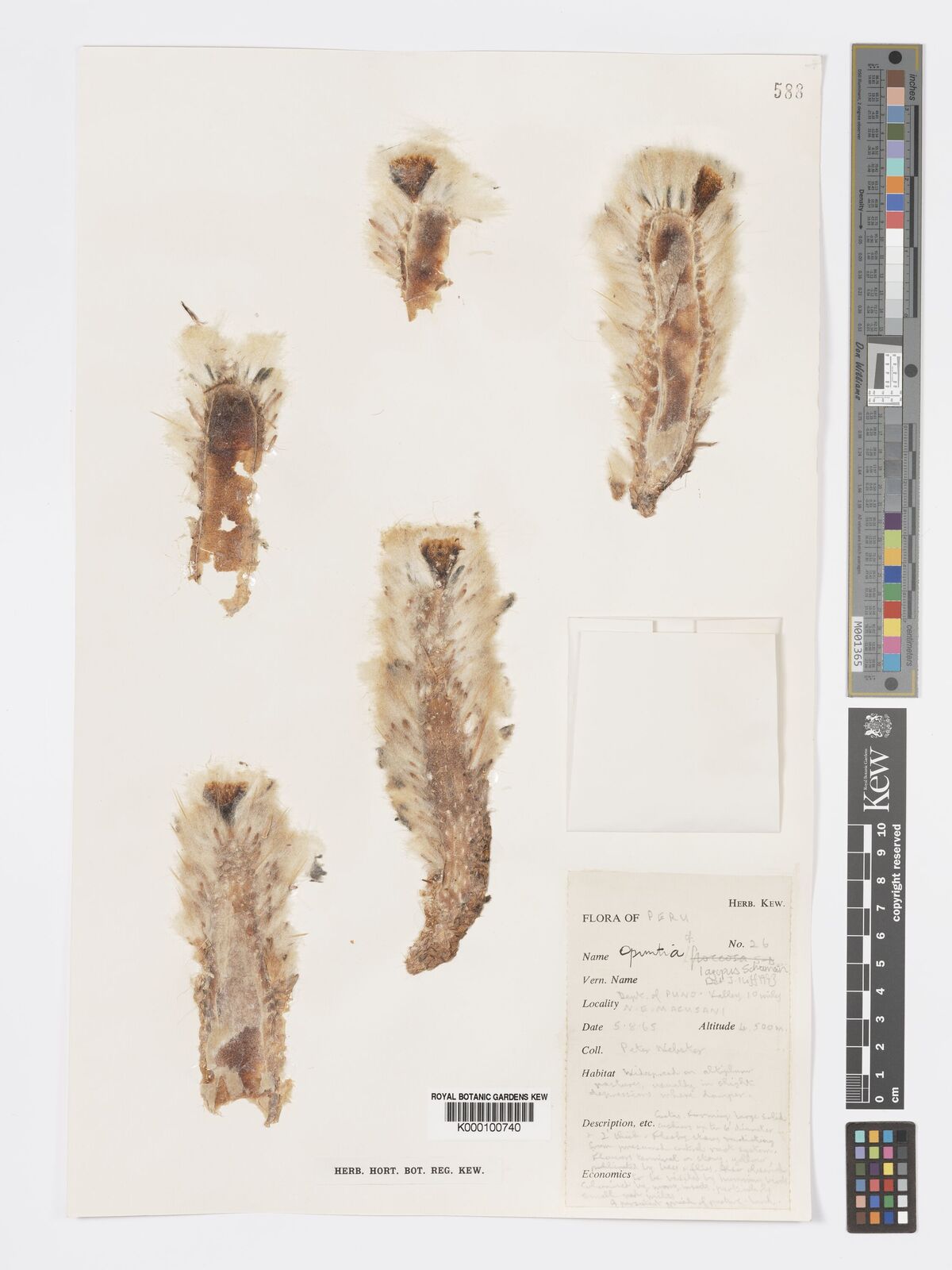
Austrocylindropuntia floccosa is a remarkable cushion-forming succulent shrub adapted to the harsh conditions of the high-altitude Andean plateaus. It is famous for its dense covering of white, wool-like hairs that shield the plant from freezing temperatures and intense solar radiation.

Austrocylindropuntia lagopus

Austrocylindropuntia lagopus

Austrocylindropuntia lagopus

Austrocylindropuntia lagopus is a fascinating high-altitude cactus species native to the Andean highlands. Characterized by its dense cushion-forming growth habit and a thick blanket of soft, white woolly hairs, this plant is evolutionary designed to withstand extreme cold and intense solar radiation . It is highly sought after by succulent collectors for its unique, cloud-like appearance.

Austrocylindropuntia lauliacoana

Austrocylindropuntia lauliacoana

Austrocylindropuntia lauliacoana

Austrocylindropuntia lauliacoana is a succulent subshrub in the family Cactaceae, native to the high-altitude Andean regions of Peru. Adapted to harsh mountain environments, this species is highly valued by specialized collectors for its unique cylindrical form and defensive spination .

Austrocylindropuntia pachypus

Austrocylindropuntia pachypus

Austrocylindropuntia pachypus

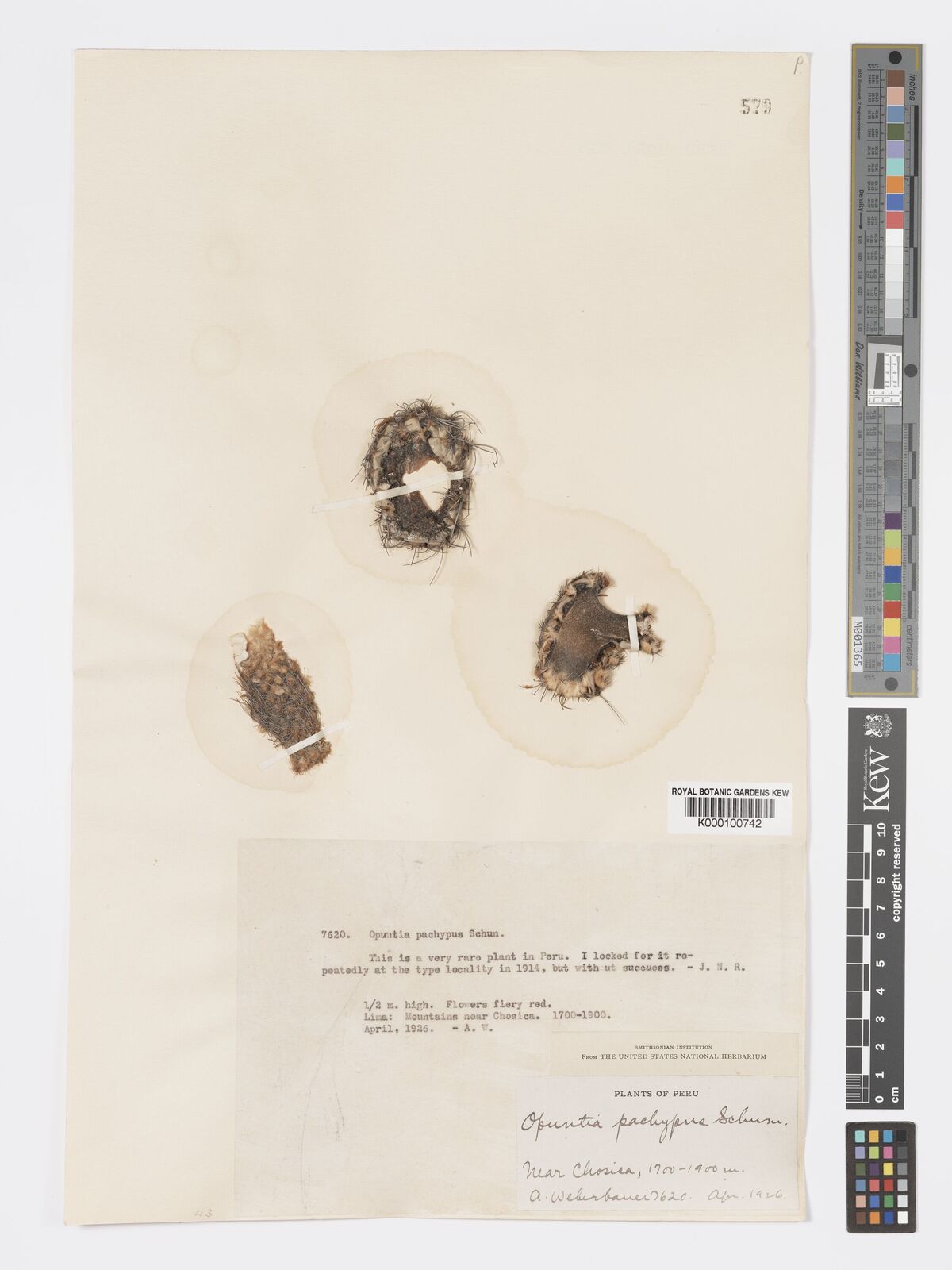
Austrocylindropuntia pachypus is a distinctive and highly sought-after columnar cactus species within the Cactaceae family. Developing a shrubby or subshrubby habit in its natural environment, this succulent is greatly valued by collectors for its unique spiraling tubercles and dense spine coverage .

Austrocylindropuntia shaferi

Austrocylindropuntia shaferi

Austrocylindropuntia shaferi

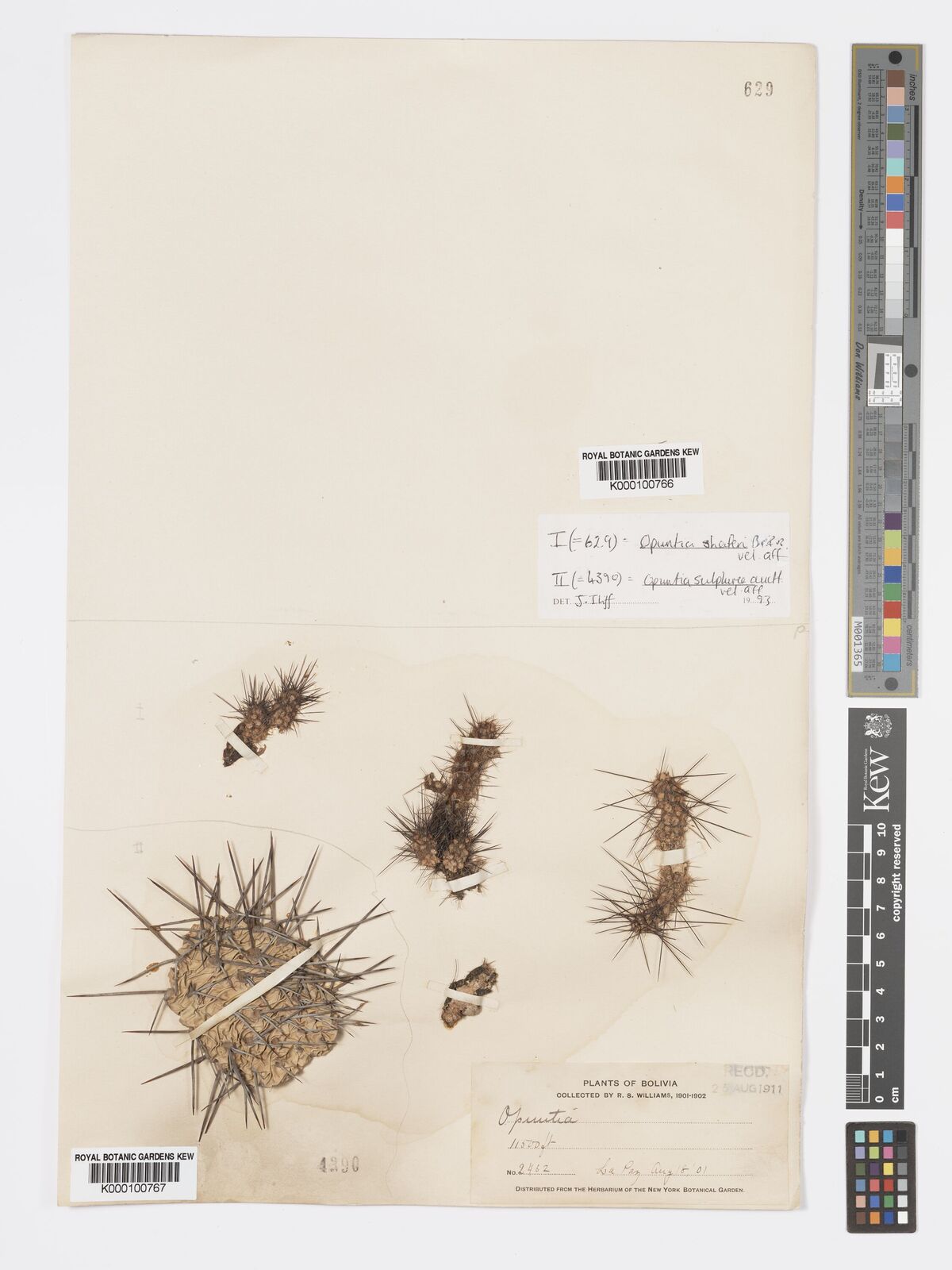
Austrocylindropuntia shaferi is a distinct, shrubby succulent cactus belonging to the family Cactaceae . Characterized by its upright cylindrical stems and prominent spination, this species is highly adapted to arid and semi-arid montane environments.

Austrocylindropuntia subulata

Austrocylindropuntia subulata

Austrocylindropuntia subulata

What kind of plant is Eve's needle cactus?

Austrocylindropuntia vestita

Austrocylindropuntia vestita

Austrocylindropuntia vestita

Austrocylindropuntia vestita: The Woolly Desert Dweller