
Scientific taxonomy article
Auto-generated taxonomy record for Lepismium.
Lepismium
Auto generated taxonomy record for Lepismium.
Auto-generated taxonomy record for Lepismium.
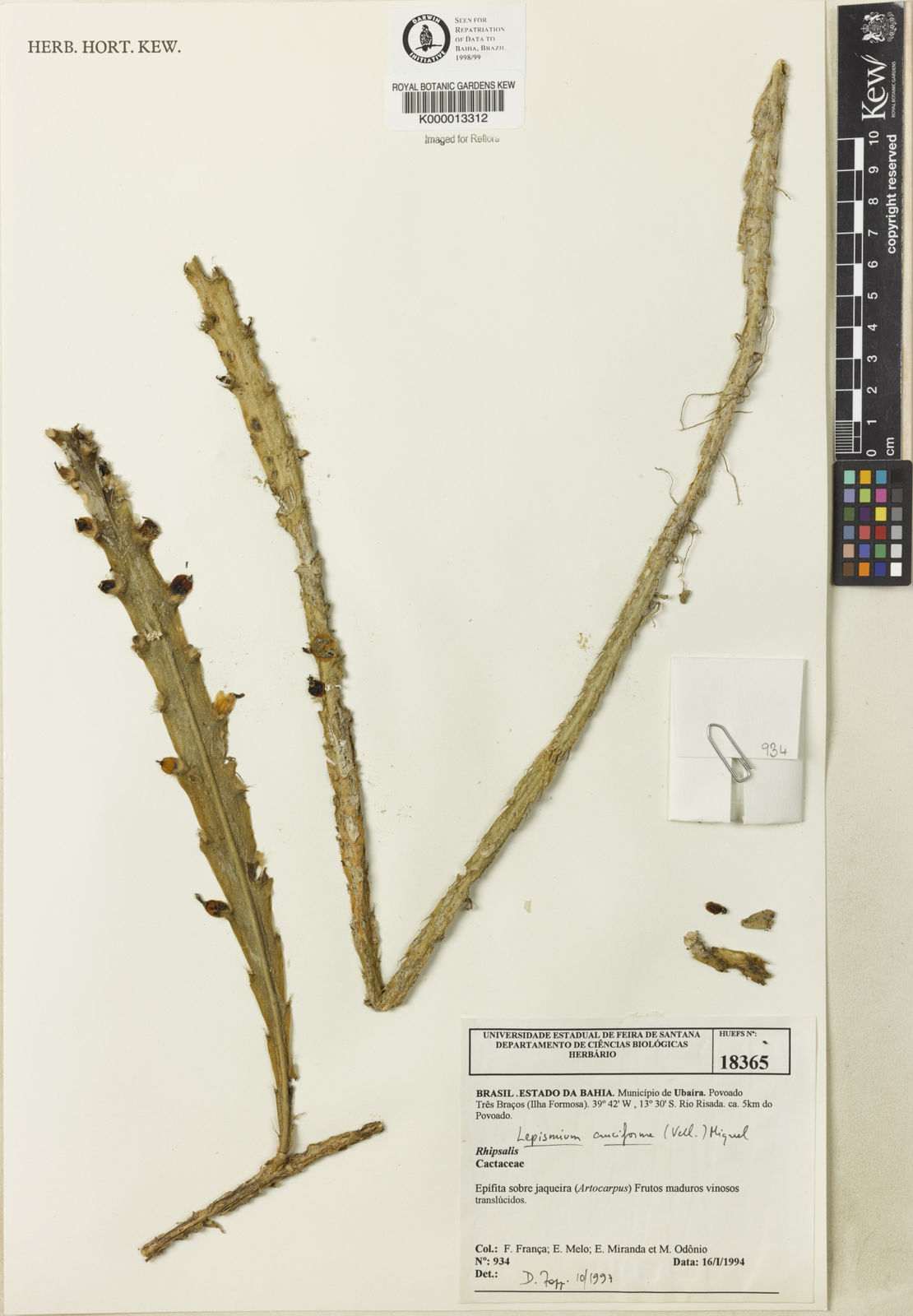
Lepismium cruciforme
Overview\nLepismium cruciforme is a highly ornamental, trailing epiphytic cactus belonging to the Cactaceae family. Often recognized by its ribbed, ribbon like stems and distinctive white woolly areoles, this species is a popular choice for hanging baskets in indoor plant collections due to its striking color changes and weeping growth habit.\n\n Taxonomy and Naming\nOriginally described in the 1830s, this plant was long categorized under the genus Rhipsalis . Modern botanical consensus places it in the genus Lepismium due to its distinct floral and stem structures. The specific epithet "cruciforme" refers to the cross like shape often formed by its 3 to 4 angled stem segments.\n\n Distribution and Habitat\nThis cactus is native to the seasonally dry tropical forests of South America, spanning eastern, southern, and central Brazil, northeastern Argentina, Paraguay, and Uruguay . In its natural habitat, it thrives as an epiphyte on tree branches or as a lithophyte on rocky cliffs, absorbing moisture and nutrients from the air and detritus.\n\n Appearance\nIts stems are segmented, fleshy, and can be flat or angled with 3 to 5 ribs. The margins of the stems host areoles filled with conspicuous tufts of white, cotton like wool. Under high light or mild stress, the deep green foliage transitions to vibrant shades of magenta or purple. It produces small, delicate cream to pink flowers followed by ornamental, translucent red berries.\n\n Cultivation\nUnlike desert cacti, Lepismium cruciforme prefers filtered light and consistent, moderate watering. It thrives in well aerated, organic rich epiphytic soil mixes and benefits from higher humidity than standard cacti.\n\n Common Mistakes\nOverwatering in dense, non draining soil is the leading cause of root rot. Conversely, keeping the air too dry can cause stem shriveling, while freezing temperatures can cause irreversible tissue damage.\n\n References\n Plants of the World Online (POWO), Royal Botanic Gardens, Kew.\n Anderson, E. F. (2001). The Cactus Family. Timber Press.

Lepismium duprei
Lepismium duprei is an epiphytic forest cactus belonging to the family Cactaceae. Unlike desert cacti, it grows suspended from tree branches in humid, semi shaded environments . In cultivation, it serves as a highly ornamental trailing houseplant, valued for its cascading growth habit.

Lepismium floribundum
Lepismium floribundum is a unique epiphytic cactus species belonging to the family Cactaceae, characterized by its cascading, trailing stems . Unlike typical desert cacti, it thrives in the subtropical rainforest canopy, growing on tree trunks or rock crevices. It is a highly valued ornamental plant for hanging baskets due to its delicate structure and profuse blooming.
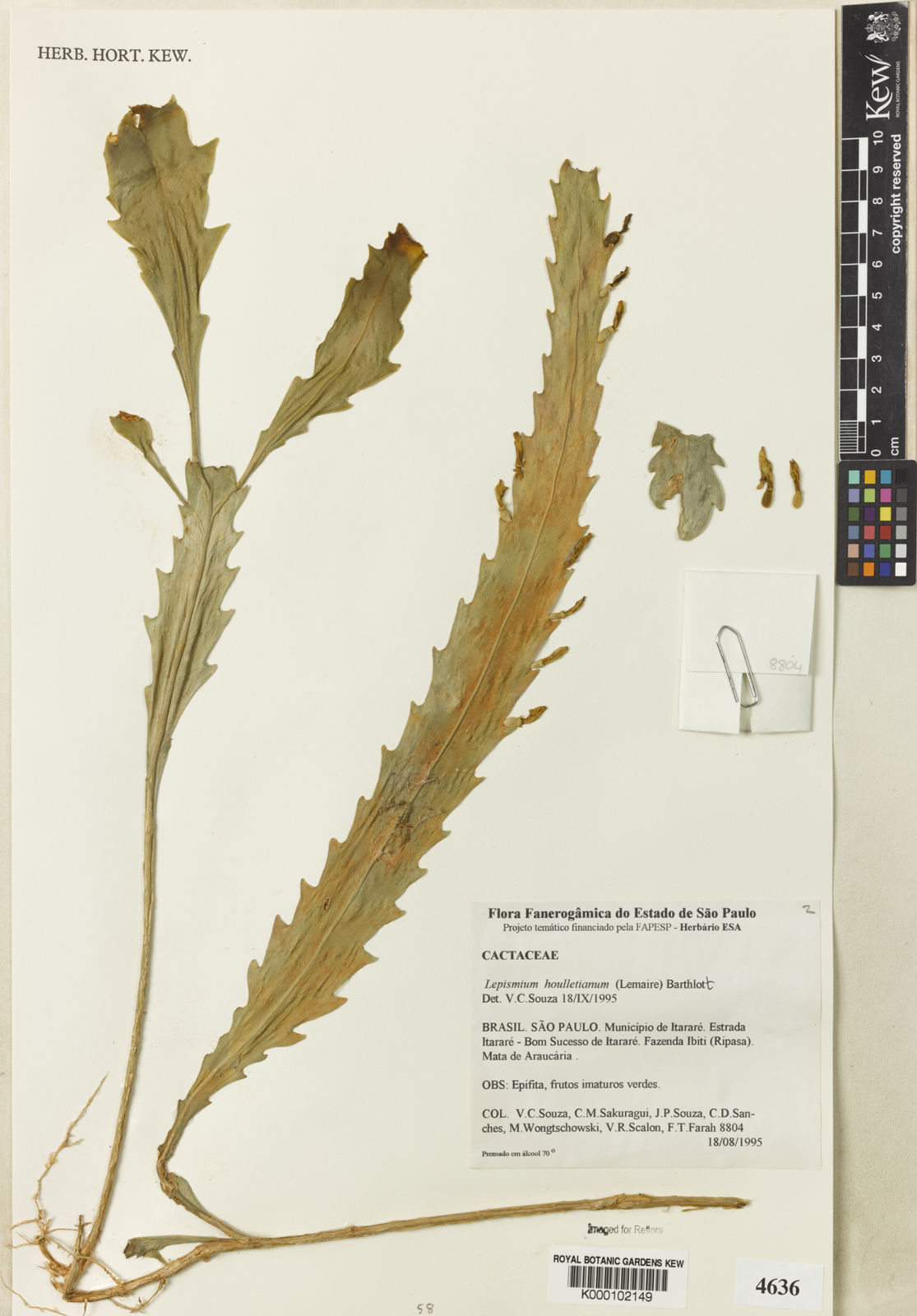
Lepismium houlletianum
Lepismium houlletianum , commonly known as the 'snowflake cactus', is a highly attractive and distinct epiphytic cactus with weeping, flattened stems and delicate cream colored flowers. Unlike typical desert cacti, this plant is adapted to moist, humid forest canopies, making it an exceptional trailing specimen for indoor hanging baskets .
Lepismium lineare
Lepismium lineare is a semi succulent, epiphytic cactus member of the family Cactaceae, characterized by its cascading growth habit . Naturally growing on tree trunks in subtropical and tropical environments, this elegant species has adapted well to indoor cultivation, particularly in hanging baskets where its slender, ribbon like green stems and small cream white flowers can be fully appreciated.
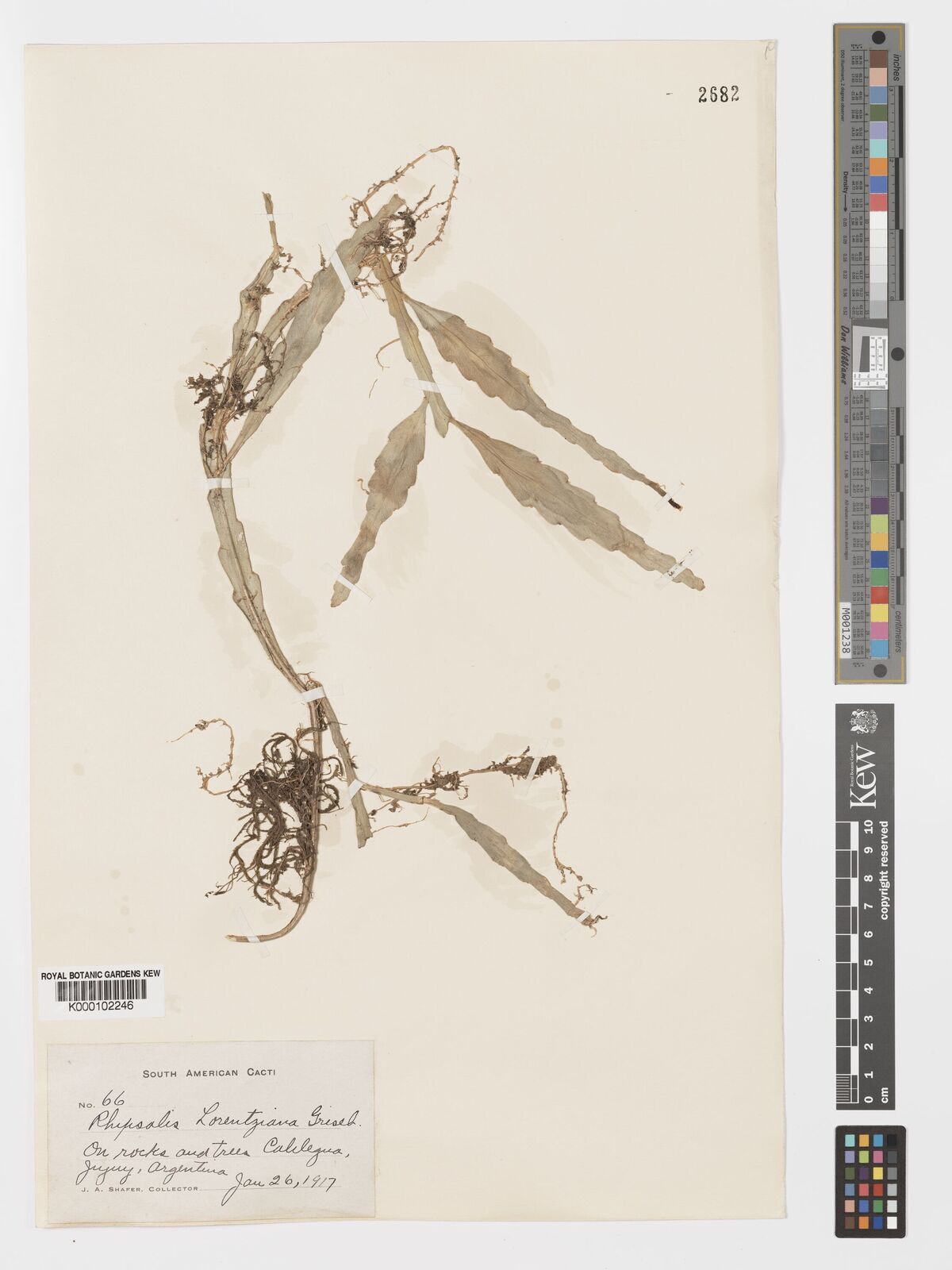
Lepismium lorentzianum
Lepismium lorentzianum is a hanging, epiphytic cactus belonging to the Cactaceae family . Thriving naturally on tree trunks without soil, this plant serves as an excellent, low maintenance choice for indoor hanging baskets.
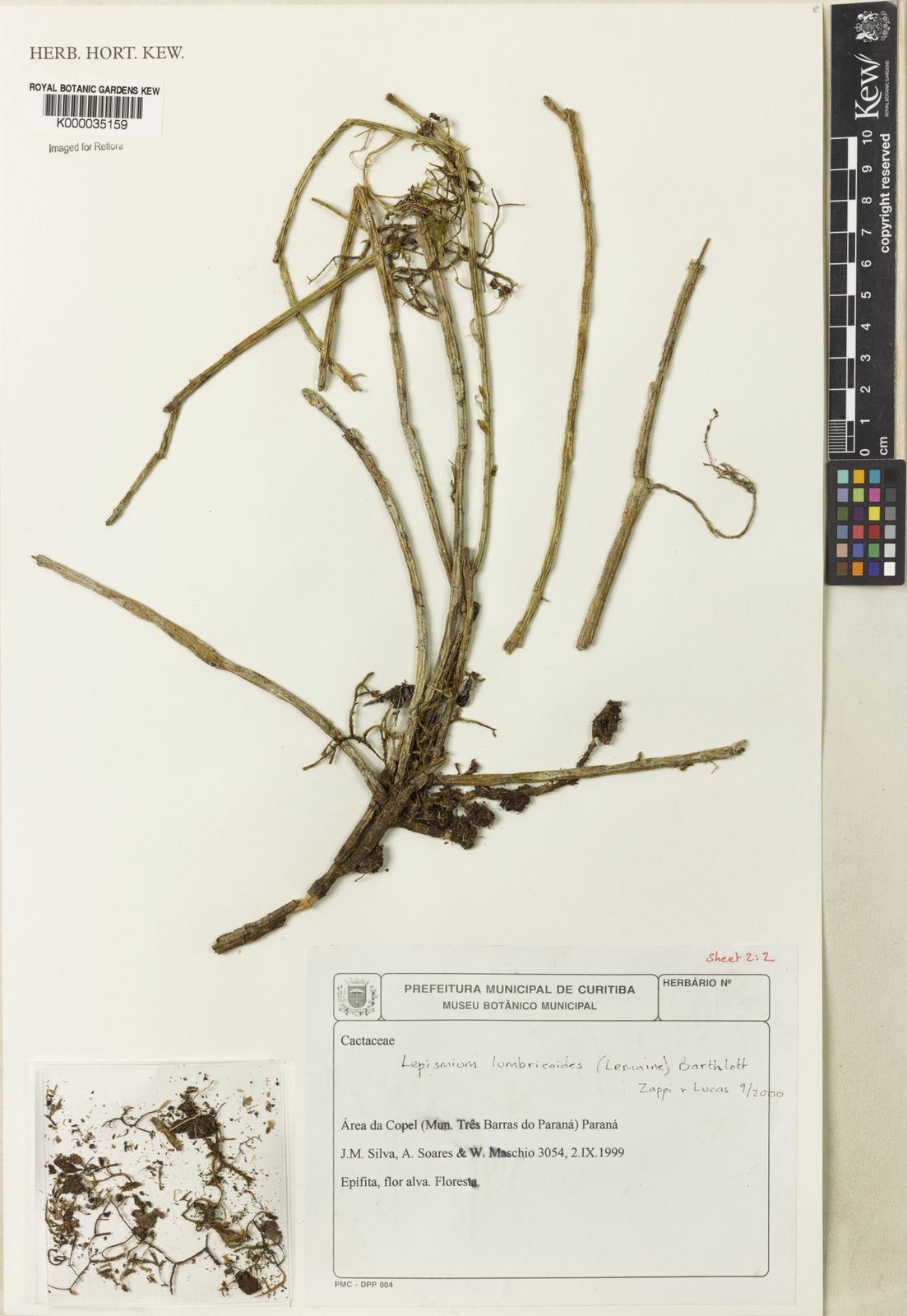
Lepismium lumbricoides
Lepismium lumbricoides , commonly known as the Worm Cactus, is a pendulous, epiphytic or lithophytic cactus species belonging to the family Cactaceae. Exhibiting a cascading growth habit, it is highly valued as an ornamental hanging basket plant due to its unique, slender, worm like cylindrical stems .
Lepismium lumbricoides
Lepismium lumbricoides , commonly known as the Worm Cactus, is a pendulous, epiphytic or lithophytic cactus species belonging to the family Cactaceae. Exhibiting a cascading growth habit, it is highly valued as an ornamental hanging basket plant due to its unique, slender, worm like cylindrical stems .
Lepismium marnierianum
Lepismium marnierianum is a unique, pendulous, semi epiphytic cactus belonging to the Cactaceae family . Unlike typical desert cacti, it has adapted to humid, semi shaded tropical forest environments, making it an excellent candidate for hanging baskets.
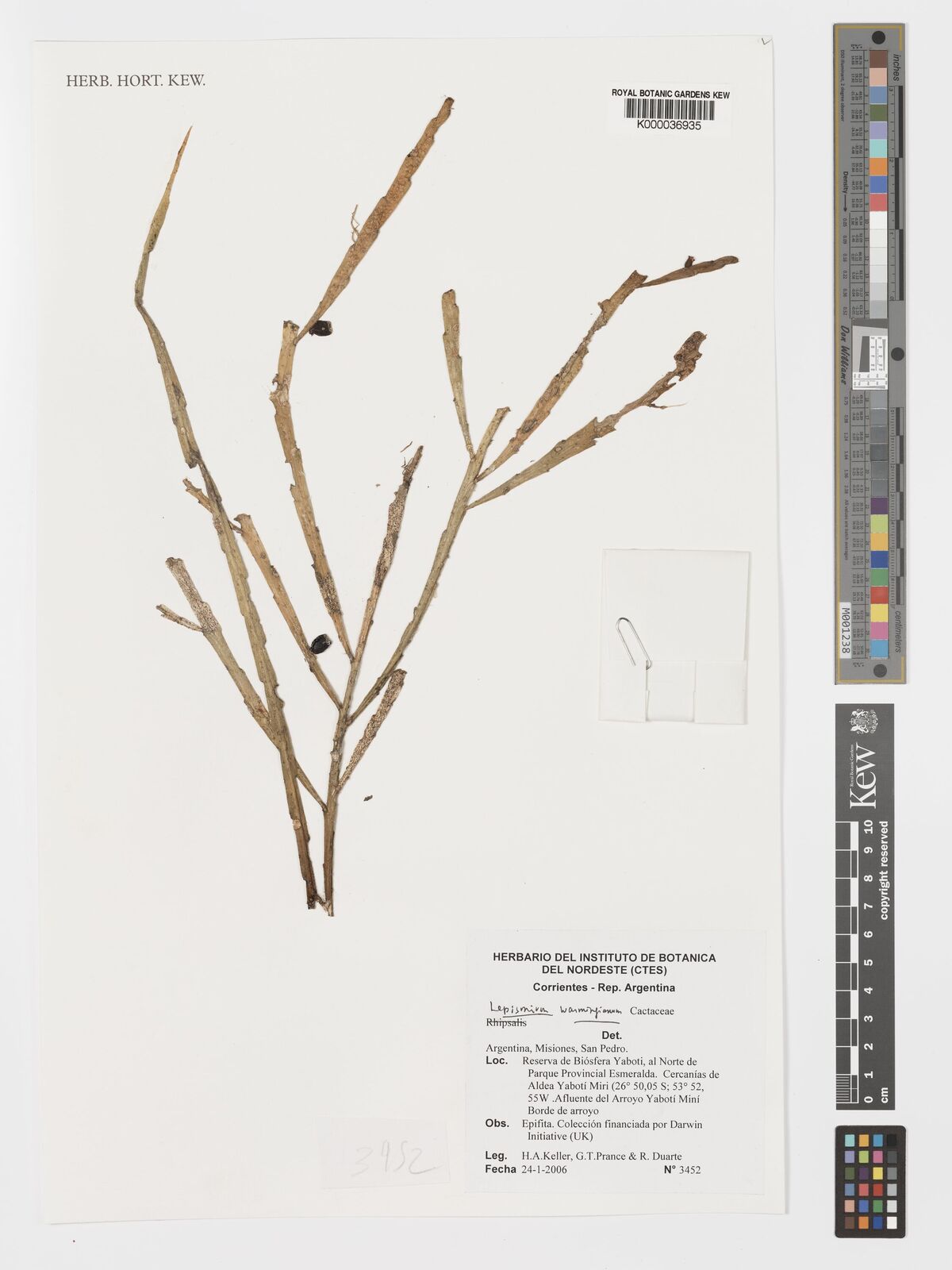
Lepismium warmingianum
Lepismium warmingianum is a cascading, epiphytic cactus species native to the tropical and subtropical forests of South America. Cultivated for its slender, angular stems and delicate spring blossoms, this species offers a unique jungle dwelling aesthetic compared to arid desert cacti .
