
Scientific taxonomy article
Auto-generated taxonomy record for Copiapoa.
Copiapoa
Auto generated taxonomy record for Copiapoa.
Auto-generated taxonomy record for Copiapoa.
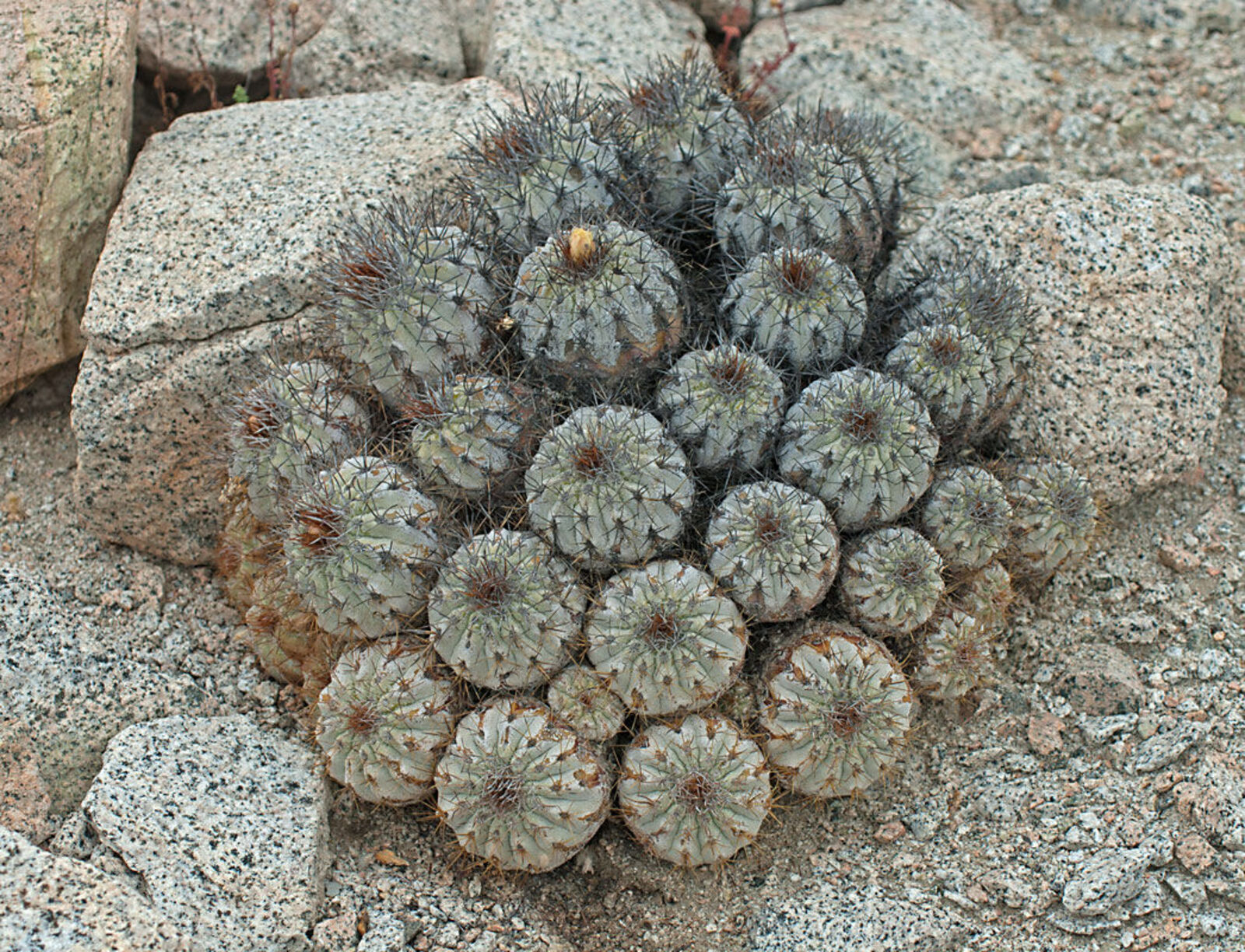
Copiapoa ahremephiana
Copiapoa ahremephiana is an extraordinary, slow growing cactus species endemic to the extremely arid coastal areas of the Atacama Desert in northern Chile. It is highly prized by collectors for its beautiful wild form and resilience to harsh environments .

Copiapoa algarrobensis
Copiapoa algarrobensis is an extremely rare and highly specialized succulent cactus belonging to the Cactaceae family, perfectly adapted to the hyper arid conditions of the Atacama Desert. It is highly prized by collectors for its unique tuberous root system and striking appearance .

Copiapoa angustiflora
Copiapoa angustiflora is a rare and highly prized globose cactus in the family Cactaceae, native to the hyper arid coastal regions of Chile. This succulent subshrub is distinguished by its compact growth habit and slender, funnel shaped yellow flowers, making it a coveted specimen among desert plant enthusiasts .
Copiapoa aphanes
Copiapoa aphanes is an extremely rare, slow growing, succulent subshrub belonging to the Cactaceae family. Endemic to the harsh coastal deserts of northern Chile, this highly coveted species is prized by collectors for its incredible adaptation to hyper arid conditions and its distinctively cryptic appearance.
Copiapoa armata
Copiapoa armata is a highly resilient, slow growing cactus species in the family Cactaceae, native to the arid coastal deserts of Chile. Adapted to the extreme conditions of the Atacama, this plant is highly prized among collectors for its distinctive spination and glaucous stem.
Copiapoa atacamensis
Copiapoa atacamensis is an extraordinary cactus species endemic to the extremely arid coastal regions of the Atacama Desert in Chile . Known for its remarkable adaptation to hyper arid conditions, this slow growing succulent subshrub is highly prized by cactus enthusiasts worldwide for its unique wild morphology.
Copiapoa australis
Copiapoa australis is a rare and critically endangered cactus species belonging to the Cactaceae family, native to the arid coastal regions of Chile. Characterized as a succulent subshrub, this species represents the southernmost limit of the genus Copiapoa and exhibits remarkable adaptations to hyper arid desert environments .
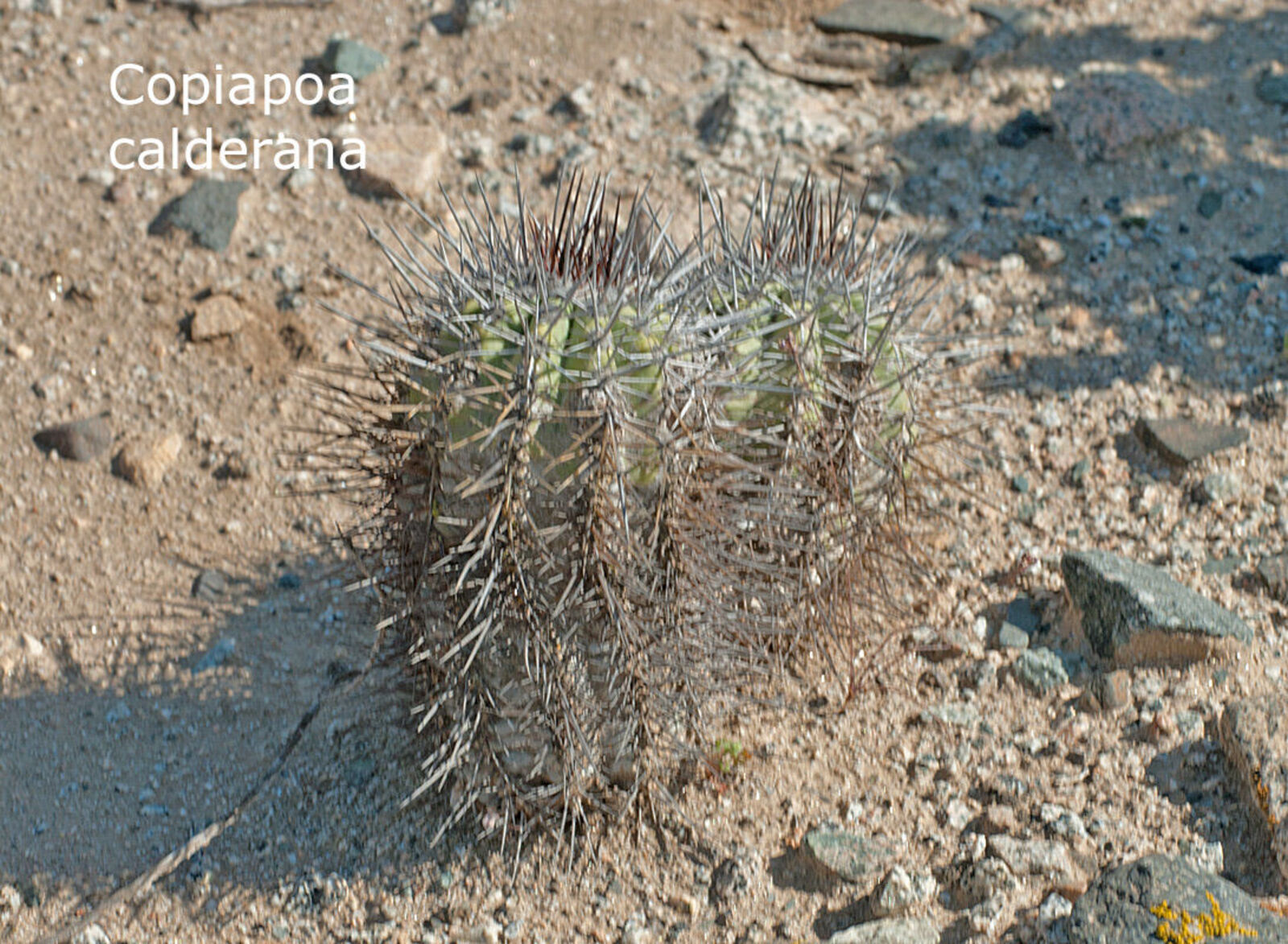
Copiapoa calderana
Copiapoa calderana is a slow growing, highly sought after succulent subshrub native to the hyper arid coastal deserts of northern Chile . Belonging to the Cactaceae family, this species is highly adapted to extreme drought and is prized by collectors for its attractive grayish green globose stems.
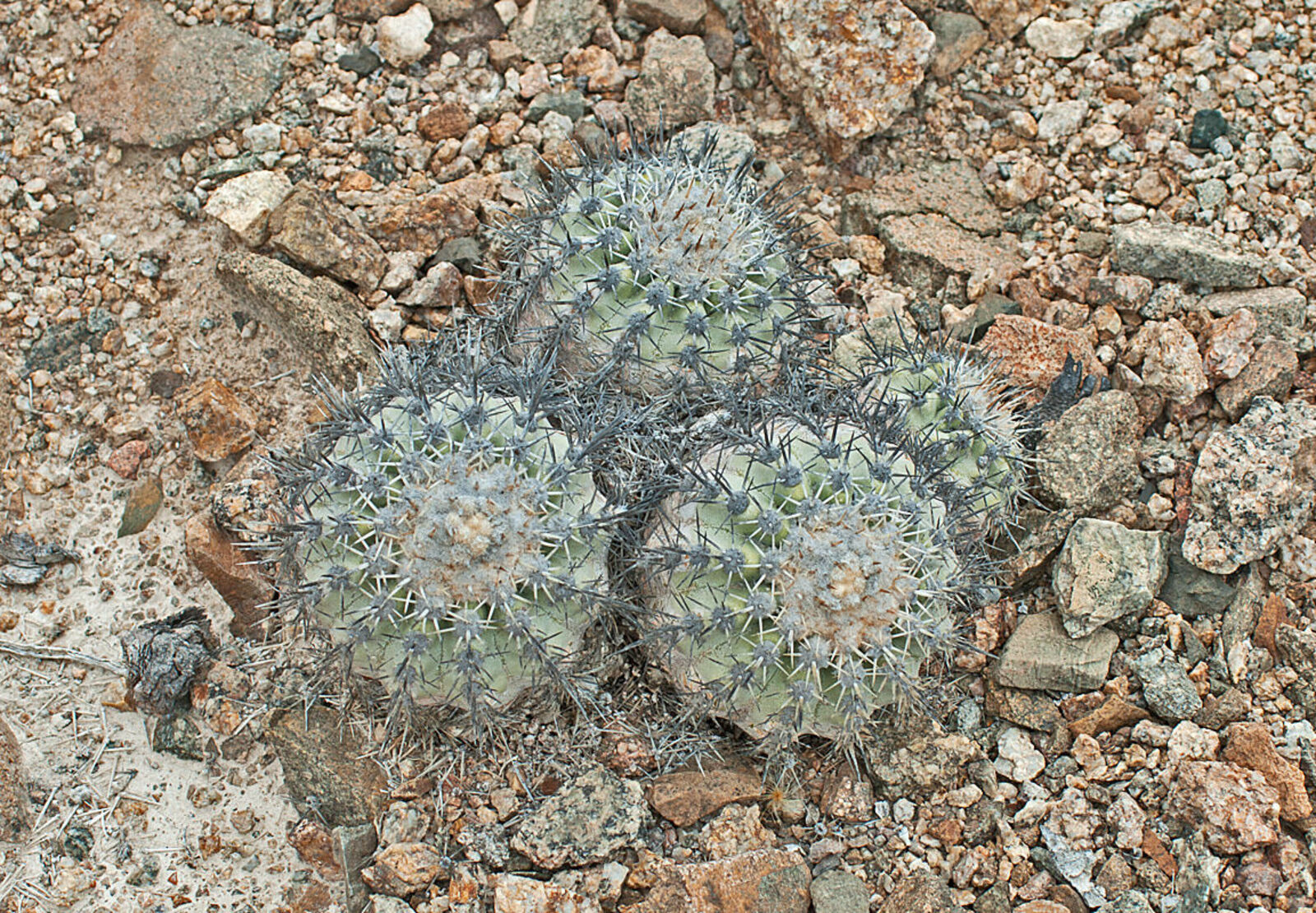
Copiapoa cinerascens
Copiapoa cinerascens is a rare, slow growing globose to subcylindrical cactus species belonging to the Cactaceae family, native to the hyper arid coastal regions of the Atacama Desert in Chile .
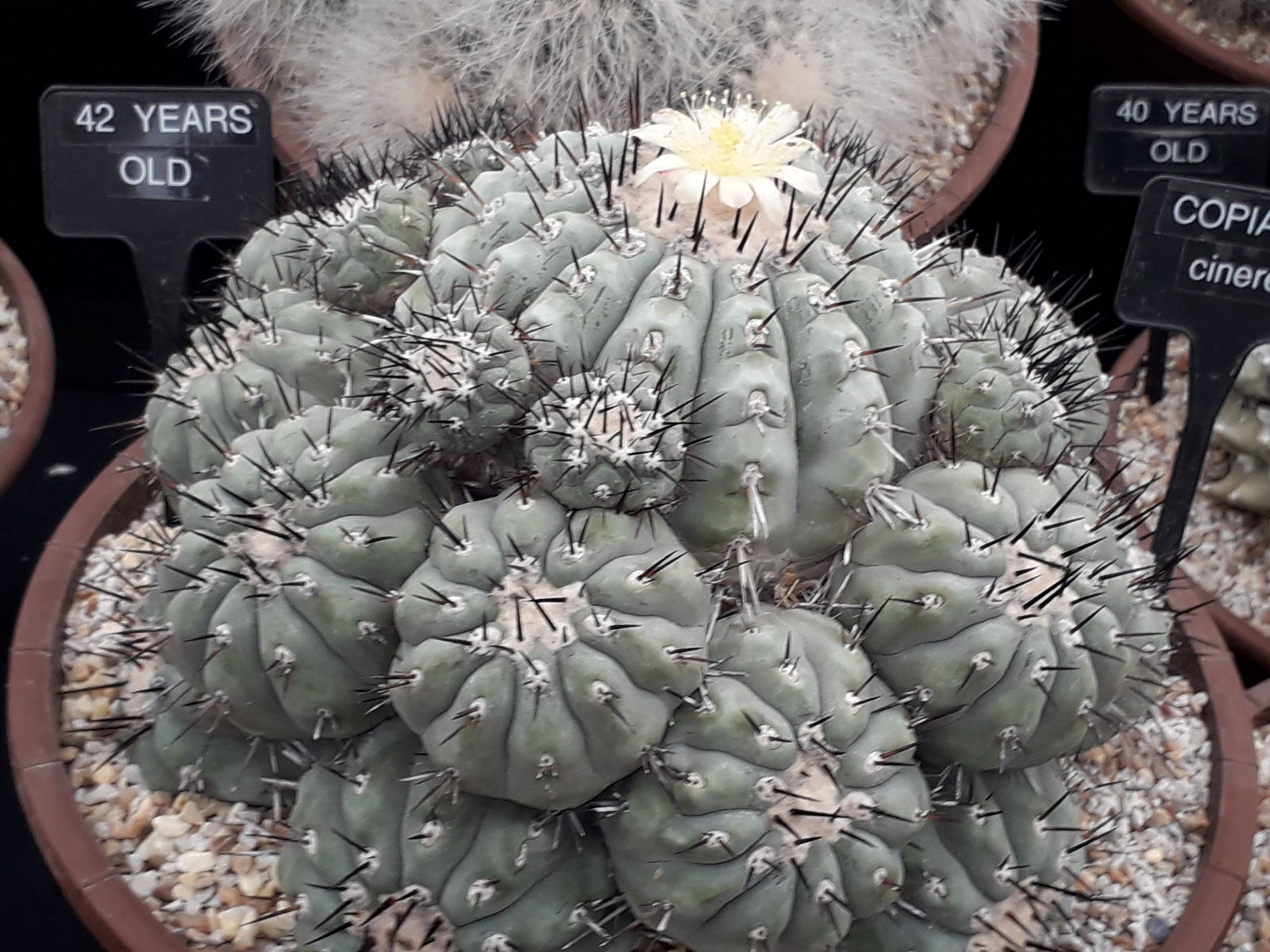
Copiapoa cinerea
Copiapoa cinerea is a highly prized, extremely slow growing succulent subshrub native to the hyper arid Atacama Desert in Chile. Recognized for its striking white gray epidermis contrasted against jet black spines, it represents one of the most iconic and coveted species within the family Cactaceae .
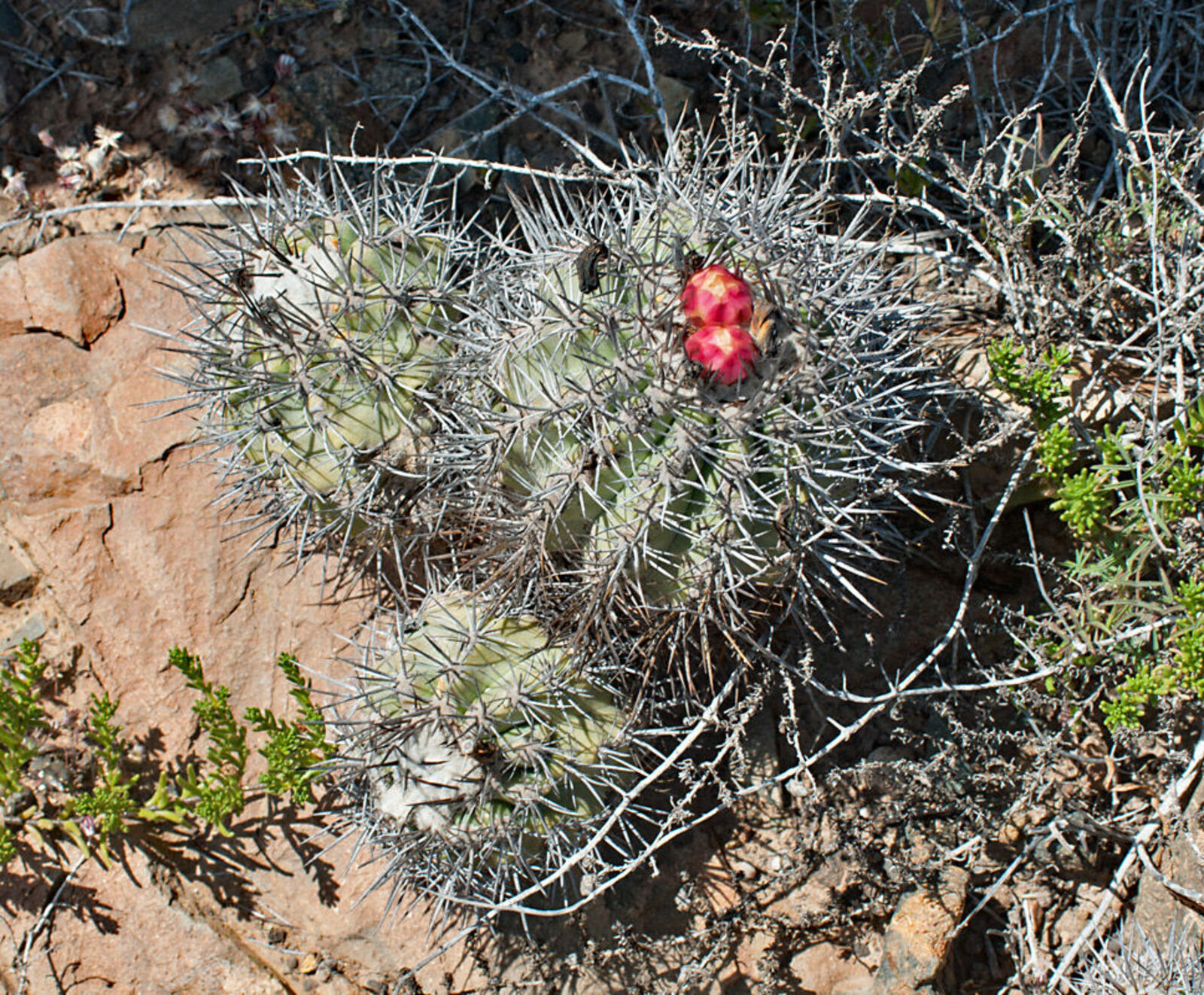
Copiapoa coquimbana
Copiapoa coquimbana is a clump forming perennial cactus species in the family Cactaceae, endemic to the coastal desert regions of northern Chile. Renowned for its resilience and striking spination, it is a highly sought after species among succulent enthusiasts.
Copiapoa corralensis
Copiapoa corralensis is an extremely rare, highly coveted succulent subshrub belonging to the Cactaceae family, native to the hyper arid coastal deserts of Chile . Adapted to the unique climate of the Atacama Desert, this species survives primarily on coastal fog (camanchaca) and is distinguished by its slow growth rate and striking grayish green globose stem.
Copiapoa decorticans
Copiapoa decorticans is a highly specialized and critically endangered cactus species belonging to the Cactaceae family, native to the hyper arid coastal cliffs of the Atacama Desert in Chile. It is renowned for its shrubby growth form and unique woody base .

Copiapoa desertorum
Copiapoa desertorum is a slow growing, perennial succulent subshrub in the family Cactaceae, highly adapted to the extreme arid conditions of the Atacama Desert.

Copiapoa echinoides
Copiapoa echinoides is a highly sought after, slow growing succulent subshrub belonging to the Cactaceae family, perfectly adapted to the extreme arid conditions of the Atacama Desert .
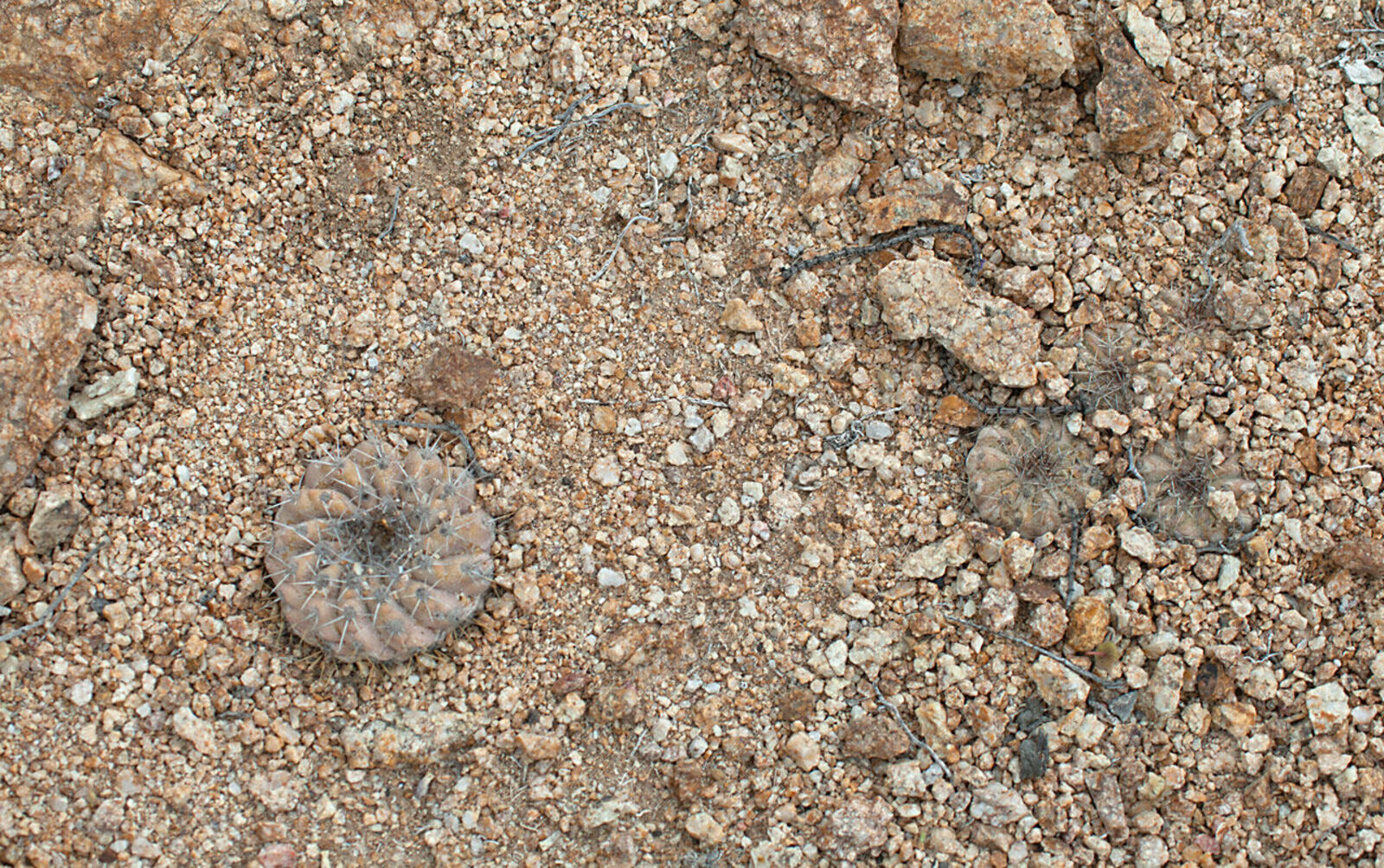
Copiapoa esmeraldana
Copiapoa esmeraldana is an extraordinary globose cactus species native to the coastal cliffs of the Atacama Desert in Chile. Recognized as a succulent subshrub, it has evolved sophisticated survival strategies to thrive in one of the driest regions on Earth .
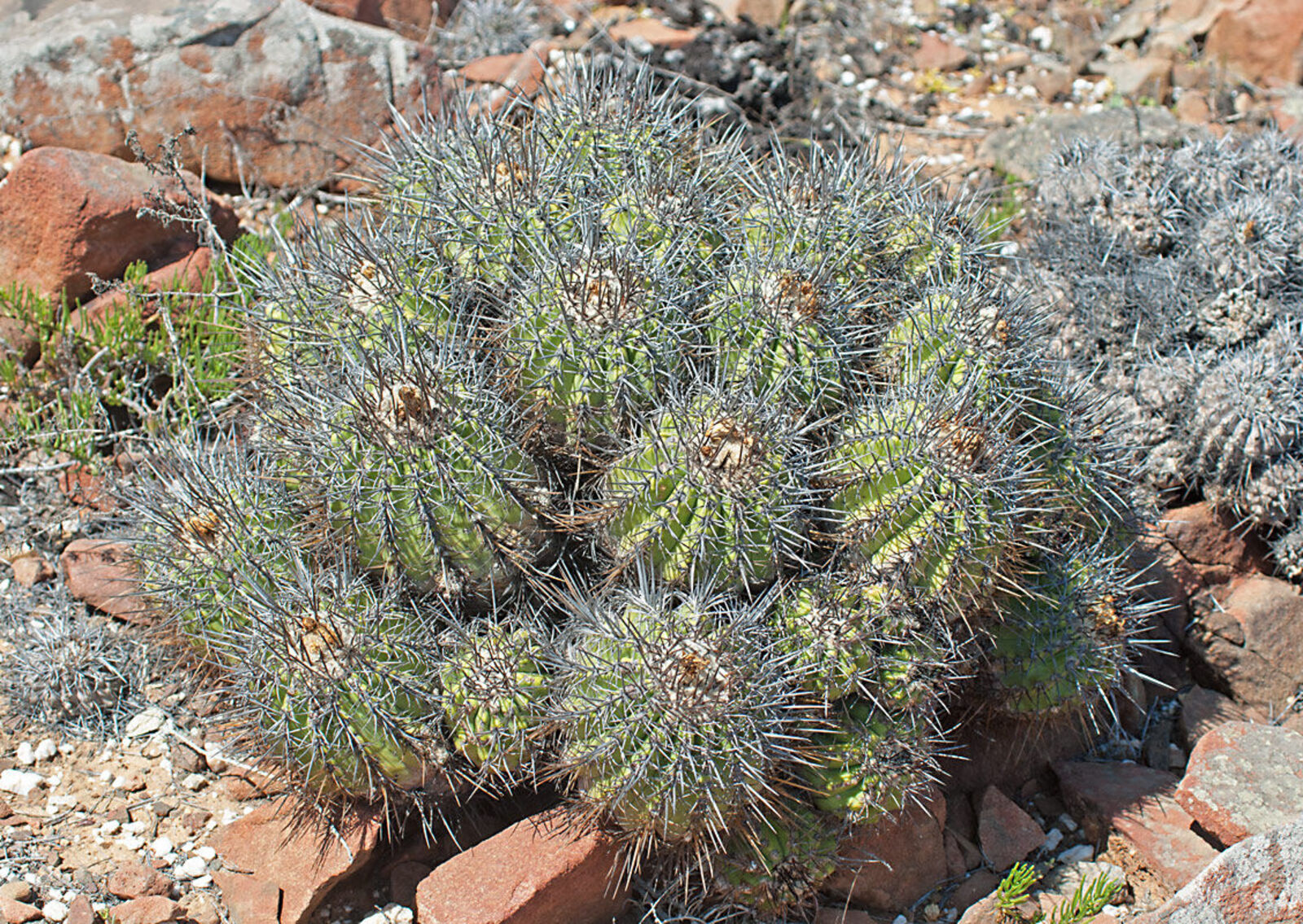
Copiapoa fiedleriana
Copiapoa fiedleriana is a highly sought after, slow growing succulent subshrub belonging to the Cactaceae family, native to the hyper arid regions of Chile . Known for its remarkable adaptation to extreme desert environments, this species is a prized specimen among cacti collectors worldwide due to its rugged aesthetics and extreme drought tolerance.
Copiapoa fusca
Copiapoa fusca is a highly specialized, slow growing cactus species native to the hyper arid coastal regions of the Atacama Desert. Belonging to the family Cactaceae, it is widely prized by succulent enthusiasts for its distinct dark coloration and rugged wild appearance .
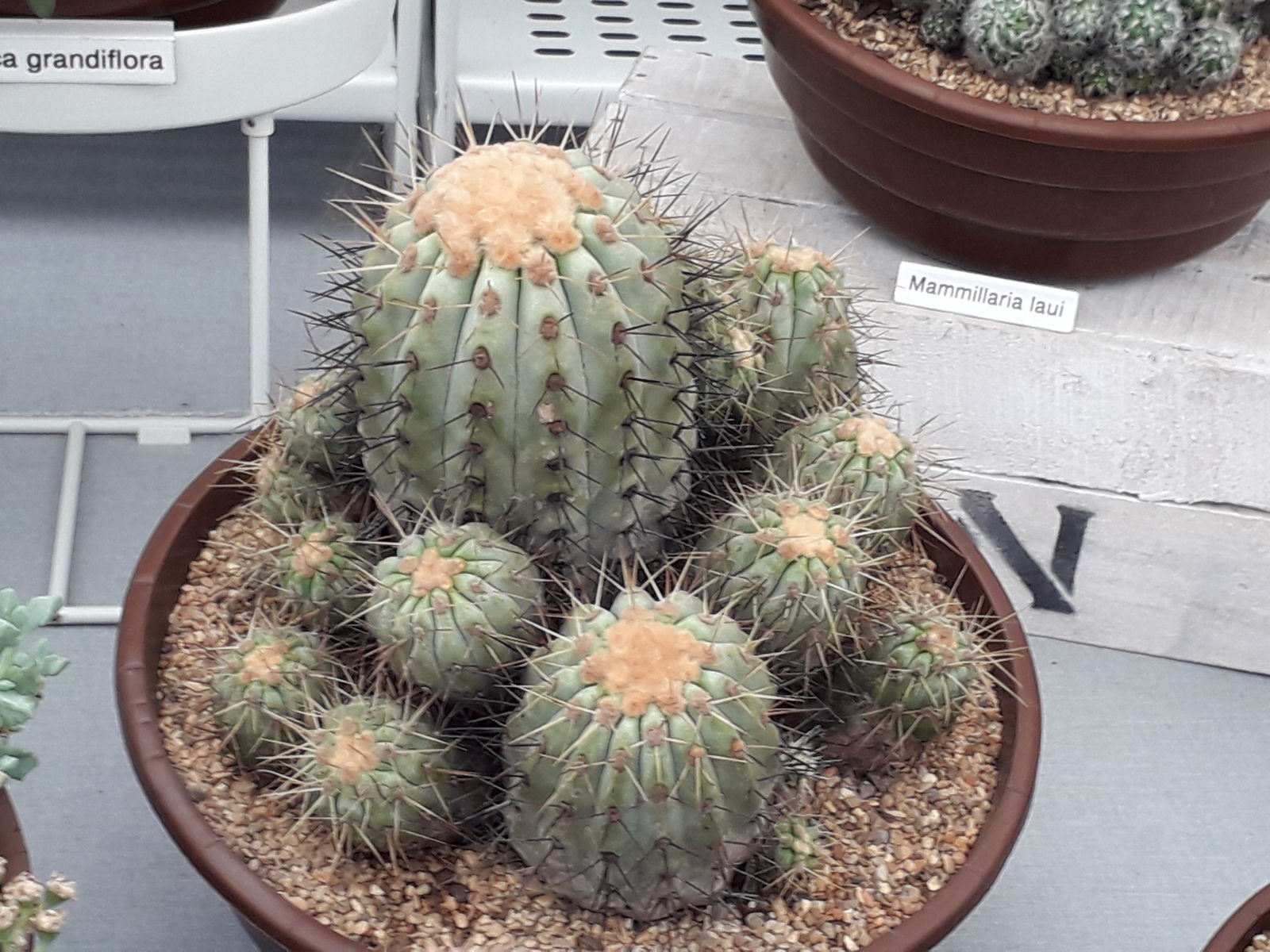
Copiapoa gigantea
Copiapoa gigantea is a slow growing, globose to columnar succulent subshrub in the family Cactaceae. Endemic to the harsh coastal regions of the Atacama Desert in Chile, this species is highly prized among succulent enthusiasts for its striking glaucous grey, waxy epidermis and dense spination .
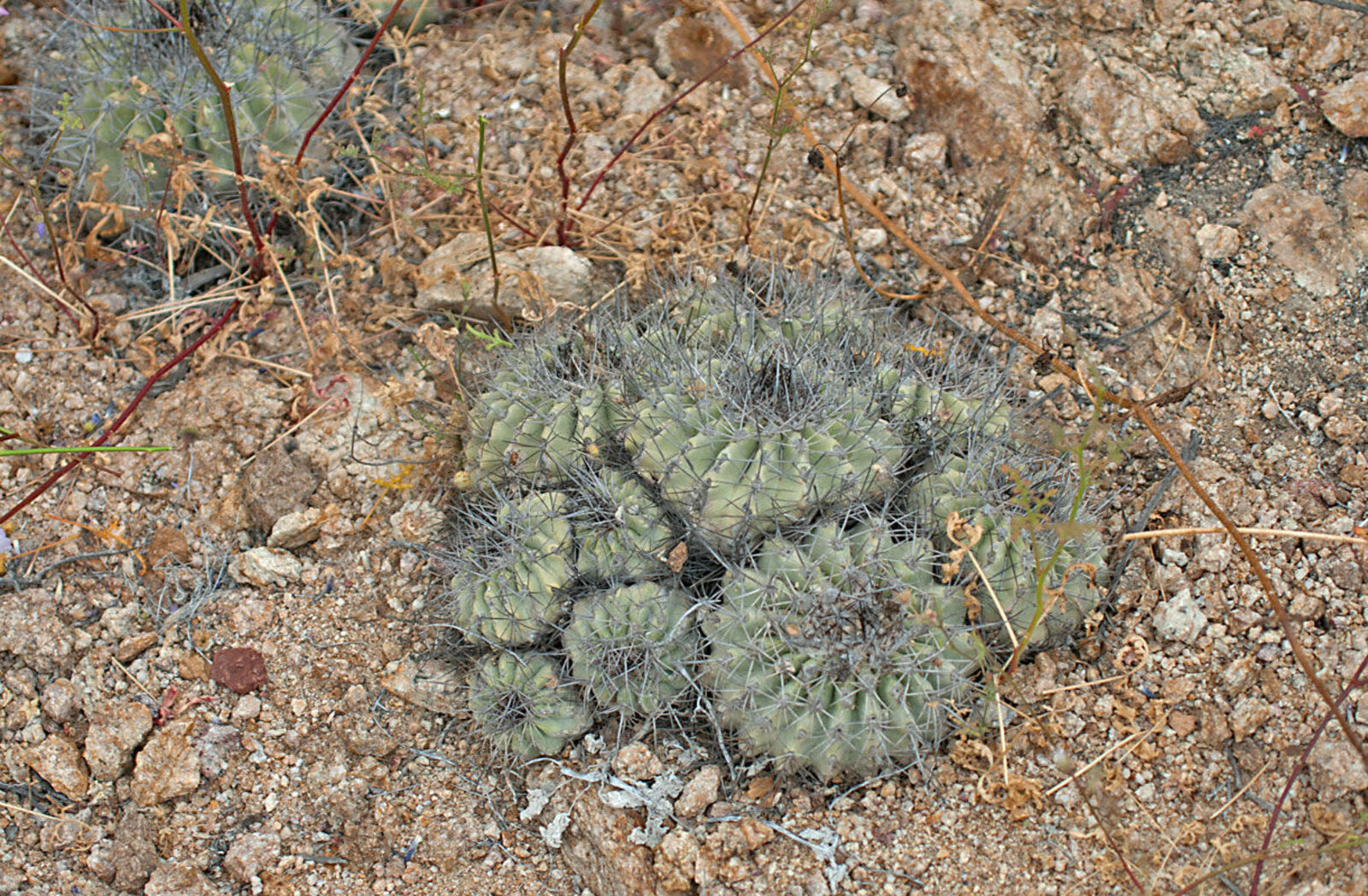
Copiapoa grandiflora
Copiapoa grandiflora is an extraordinary cactus species native to the hyper arid coastal cliffs of Chile. Well adapted to the extreme dryness of the Atacama Desert, this species is highly coveted by succulent enthusiasts for its clump forming growth and unusually large, yellow blossoms .

Copiapoa hoffmanniana
Copiapoa hoffmanniana is an extremely rare, slow growing succulent subshrub belonging to the Cactaceae family. Endemic to the hyper arid coastal cliffs of northern Chile, it is highly prized among succulent enthusiasts for its globose, dark pigmented stem, robust dark spines, and the dense woolly crown that develops on mature specimens.
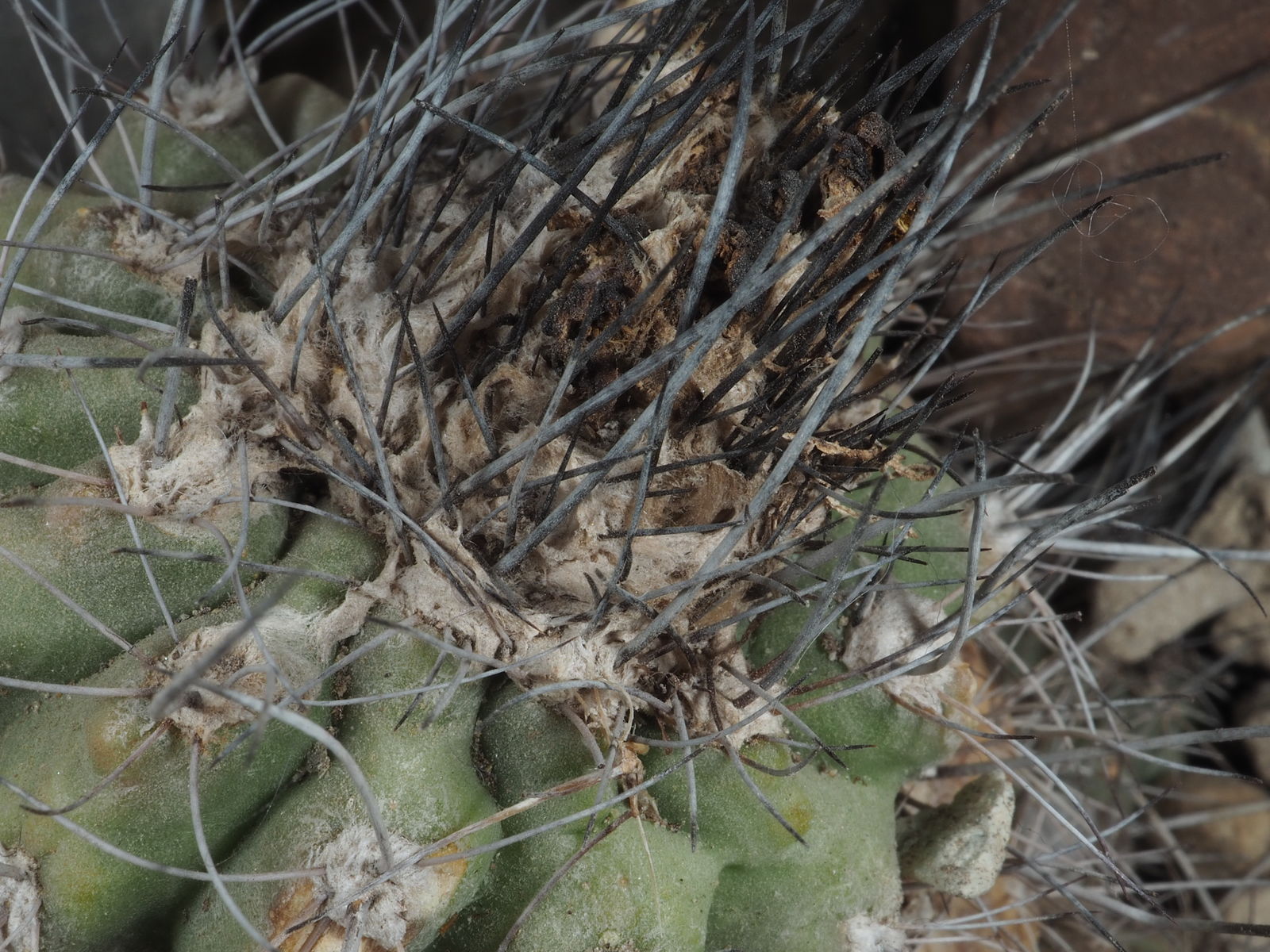
Copiapoa humilis
Copiapoa humilis is a highly sought after, relatively small globose cactus species belonging to the family Cactaceae. Famously adapted to some of the most arid conditions on Earth, this succulent subshrub is highly valued among collectors for its distinctive dark body coloration and neat spination .

Copiapoa hypogaea
Copiapoa hypogaea is an extraordinary geophytic cactus native to the extremely arid coastal hills of the Atacama Desert. Adapting to one of the driest places on Earth, it survives primarily on moisture harvested from coastal fogs .
Copiapoa intricata
Overview\nCopiapoa intricata is a highly specialized cactus species belonging to the family Cactaceae, renowned for its remarkable adaptation to the hyper arid deserts of Chile . It is highly prized by succulent collectors for its dense, protective spine network and tough nature.\n\n Classification and Naming\nThis species is classified under the genus Copiapoa. The specific epithet 'intricata' refers to the intricate, tangled, and interwoven nature of its heavy spination . It is sometimes considered a closely related form or synonym under the variable Copiapoa coquimbana complex.\n\n Distribution and Habitat\nCopiapoa intricata is endemic to the coastal hills of the Atacama Desert in Chile, particularly around the Huasco province . This habitat experiences virtually zero rainfall; survival depends almost entirely on the dense coastal fog known as 'camanchaca', which condensation the plants absorb through their spines and specialized epidermis.\n\n Appearance\nThe plant features a globose to short cylindrical stem that eventually offsets from the base to form dense clumps. The epidermis is a chalky grey green. Areoles host strong, dark colored, interwoven spines that shade the stem. Bell shaped yellow flowers appear at the woolly apex during summer .\n\n Cultivation and Care\nIn cultivation, it demands maximum direct sunlight and an exceptionally porous mineral substrate. Water should only be applied when the substrate is completely dry. During winter, it must be kept dry and in a cool, well ventilated location to encourage dormancy.\n\n Common Cultivation Mistakes\nThe most prevalent mistake is overwatering or using soils with high organic matter, which rapidly triggers root rot. Insufficient sunlight leads to etiolation, where the cactus loses its compact shape and stretches weakly.\n\n References\n Plants of the World Online (POWO), Royal Botanic Gardens, Kew.\n Anderson, E. F. (2001). The Cactus Family. Timber Press.
