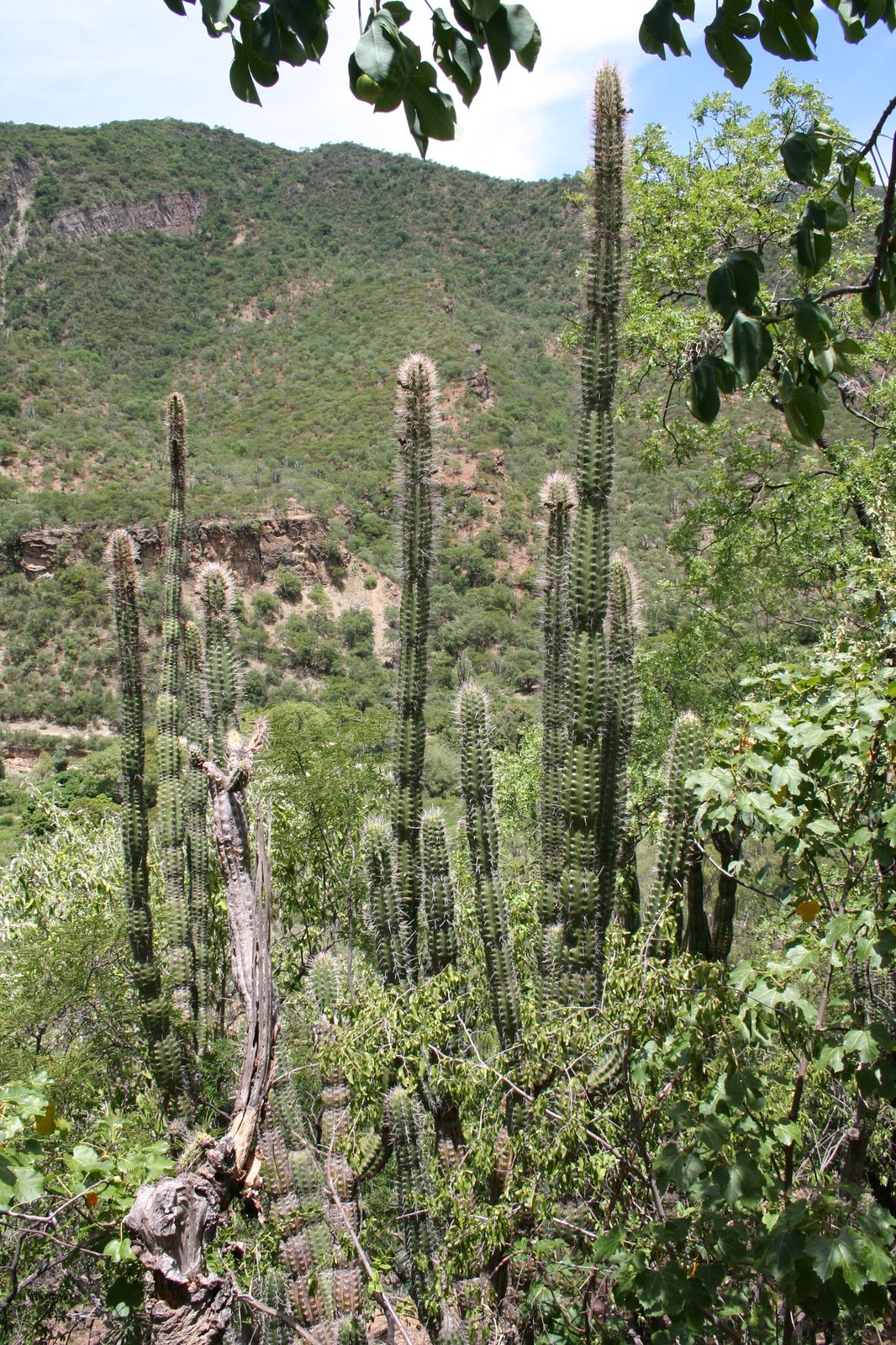
Species

Castellanosia caineana

Castellanosia caineana

Article summary

Editorial SEO summary

Source-backed classification draft for Castellanosia caineana.

Scientific taxonomy article

Castellanosia caineana

Castellanosia caineana Cárdenas is treated as an accepted taxon in Plants of the World Online.1

The current source-backed classification places it in Cactaceae within Castellanosia.12

Its recorded native range/source remark is BOLOO, WESTERNSOUTHAMERICA, BOL, PAROO, PAR, SOUTHERNAMERICA, SOUTHERNSOUTH_AMERICA; Bolivia to Paraguay.1

POWO records the plant context as succulent shrub, desert or dry shrubland.1

This is a source-populated draft intended for later Kaktus Doktoru editorial rewriting; care advice and morphology should be reviewed before publication.

References

  1. Plants of the World Online. "Castellanosia caineana Cárdenas". Royal Botanic Gardens, Kew. Accessed: 2026-06-10. https://powo.science.kew.org/taxon/urn:lsid:ipni.org:names:49359-2
  2. GBIF Secretariat. "Castellanosia caineana". GBIF Backbone Taxonomy. Accessed: 2026-06-10. https://www.gbif.org/species/5625764

Plants In This Group

Castellanosia caineana

Castellanosia caineana

Castellanosia caineana

Overview\n Castellanosia caineana is an impressive columnar succulent shrub belonging to the cactus family (Cactaceae). It is highly prized by collectors for its imposing form and extreme drought tolerance .\n\n Taxonomy and naming\nOriginally described by Bolivian botanist Martín Cárdenas, this species is sometimes classified under the genus Browningia (as Browningia caineana ). However, it retains its distinct identity under the genus Castellanosia in various traditional taxonomies .\n\n Distribution and habitat\nThis species is native to the dry valleys of the Caine River in Bolivia and the arid, stony plains of Paraguay. It typically grows on steep, rocky slopes and in dry deciduous shrublands at elevations between 1,000 and 2,000 meters .\n\n Appearance\nThe cactus features grayish green upright stems that branch with age and develop a woody base. Its ribs are prominent and lined with large, felted areoles bearing stout, gray to brownish spines. During the hot season, it produces night blooming, tubular white to pinkish flowers .\n\n Cultivation and care\nIt requires full sun exposure and excellent air circulation to thrive. The growing medium must be highly porous and mineral heavy. Water deeply but infrequently, only when the soil is bone dry. Keep completely dry in winter during its dormancy period.\n\n Common cultivation mistakes\nThe most common issues are overwatering, which quickly causes root rot, and insufficient sunlight, which leads to weak, stretched, and pale stems (etiolation).\n\n References\n Plants of the World Online (POWO), Kew Royal Botanic Gardens.\n IUCN Red List of Threatened Species, Castellanosia caineana Assessment.