
Light
Bright Indirect Light
A very bright position with gradually introduced direct sun supports compact growth; abrupt harsh exposure can scorch the epidermis.
 Reference image
 Reference image
Brain Cactus (Multi-ribbed Cactus)
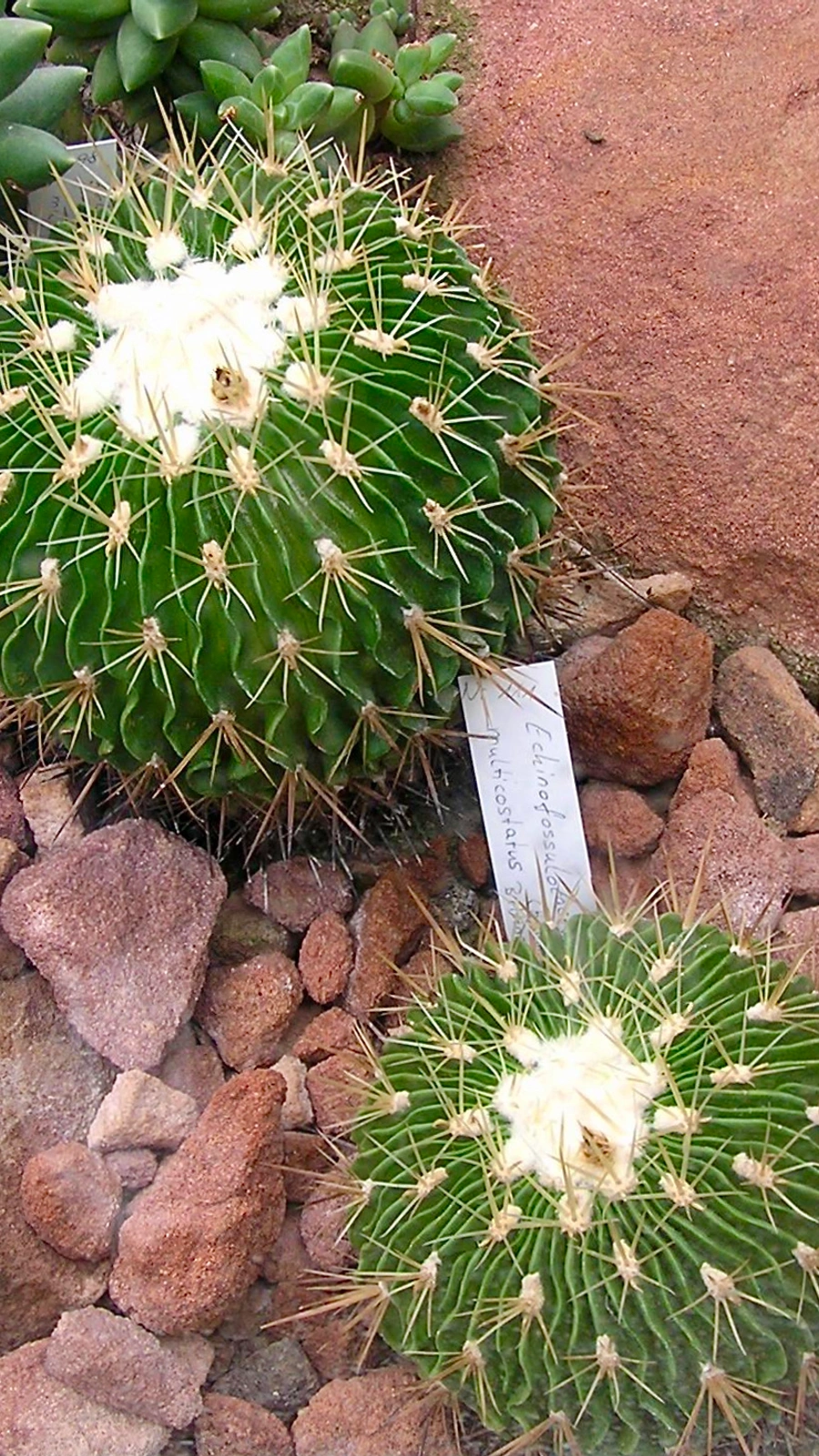
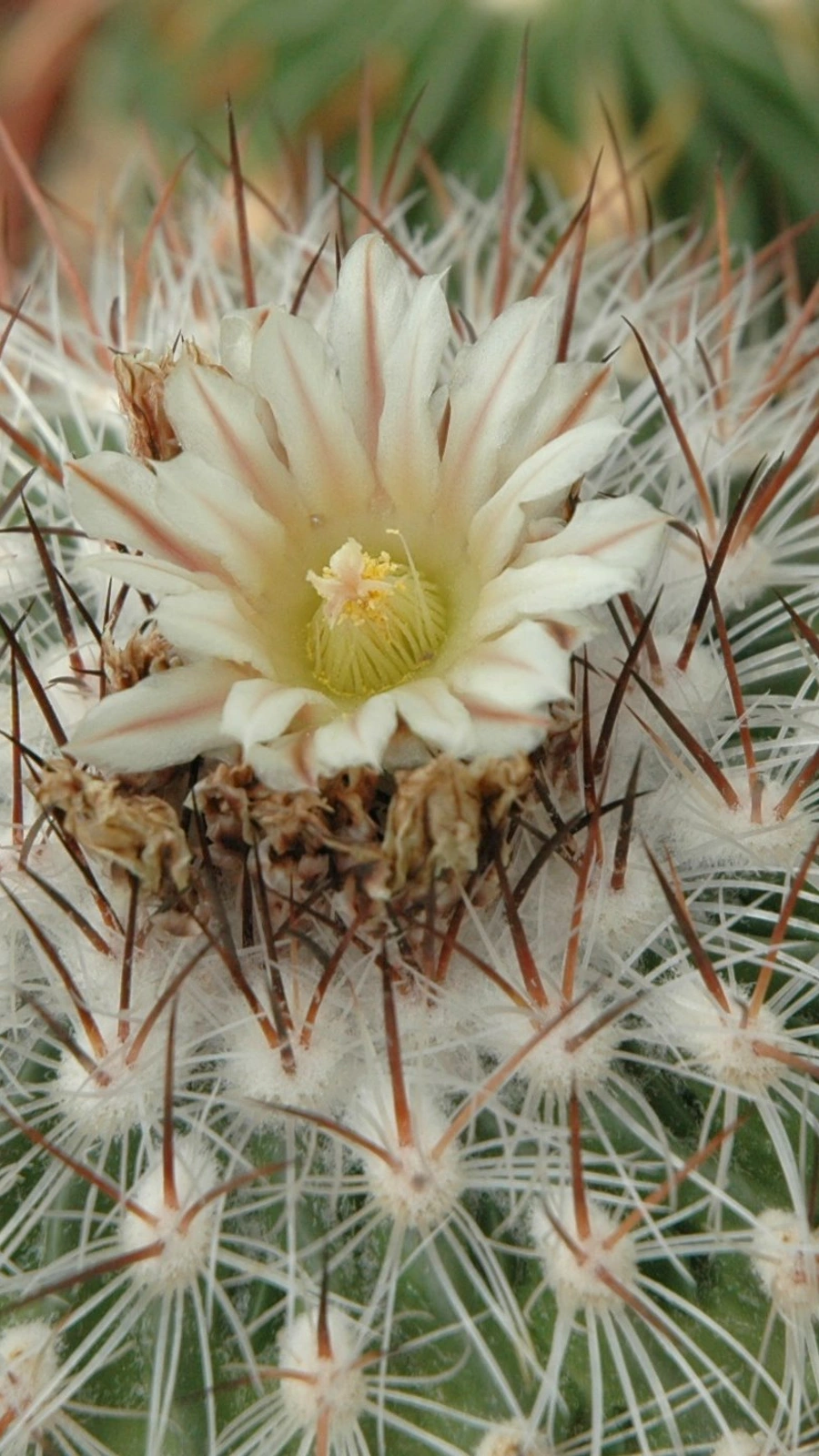
Stenocactus multicostatus is a Mexican natural cactus associated with numerous narrow ribs and a conspicuously folded stem surface. Numerous narrow, strongly folded ribs and a densely pleated stem surface are strong clues; one spine or rib character alone is not a definitive identification. The botanical-dictionary layer explains the living plant, while accepted identity and the 4-name nomenclatural surface remain explicit in the taxonomy article.
Native records point to desert or dry shrubland biomes.1 Cultivation should provide fast oxygen return to the root zone, a controlled wet-dry cycle, and sufficient light rather than copying the habitat as decoration.
A very bright position with gradually introduced direct sun supports compact growth; abrupt harsh exposure can scorch the epidermis. Do not use a fixed-day calendar. Water deeply after the mix has dried throughout, remove all excess, and reduce watering markedly during cool or low-light periods. Use a coarse, mineral-forward, airy, fast-draining mix and avoid persistent moisture around the roots.
Historical Echinofossulocactus or “brain cactus” labels can provide historical or visual context; accepted identity should follow current Kew nomenclature and multiple morphological characters. A commercial photograph is not an herbarium voucher. Historical Echinofossulocactus and other generic combinations do not replace the accepted species identity.
Spines present a mechanical risk to eyes, mouth, and skin. Global DD records an information gap; cultivated availability does not represent the condition of wild populations.2
A very bright position with gradually introduced direct sun supports compact growth; abrupt harsh exposure can scorch the epidermis.
Do not use a fixed calendar. Water after complete drying and reduce frequency during cool or low-light periods.
A coarse, mineral-forward, airy, fast-draining cactus mix.
Spines present a mechanical injury risk. Global DD does not describe commercial stock.
It is manageable with fast drainage; hidden cool-season moisture, abrupt sun, and treating a historical label as accepted identity are the main risks.
native range from north-eastern Mexico to northern Jalisco.[^1] [^1]: Plants of the World Online. “Stenocactus multicostatus.” Accessed: 2026-08-09. https://powo.science.kew.org/taxon/urn:lsid:ipni.org:names:244569-2
