
Light
Bright Indirect Light
Thrives in bright, indirect sunlight with partial morning sun.
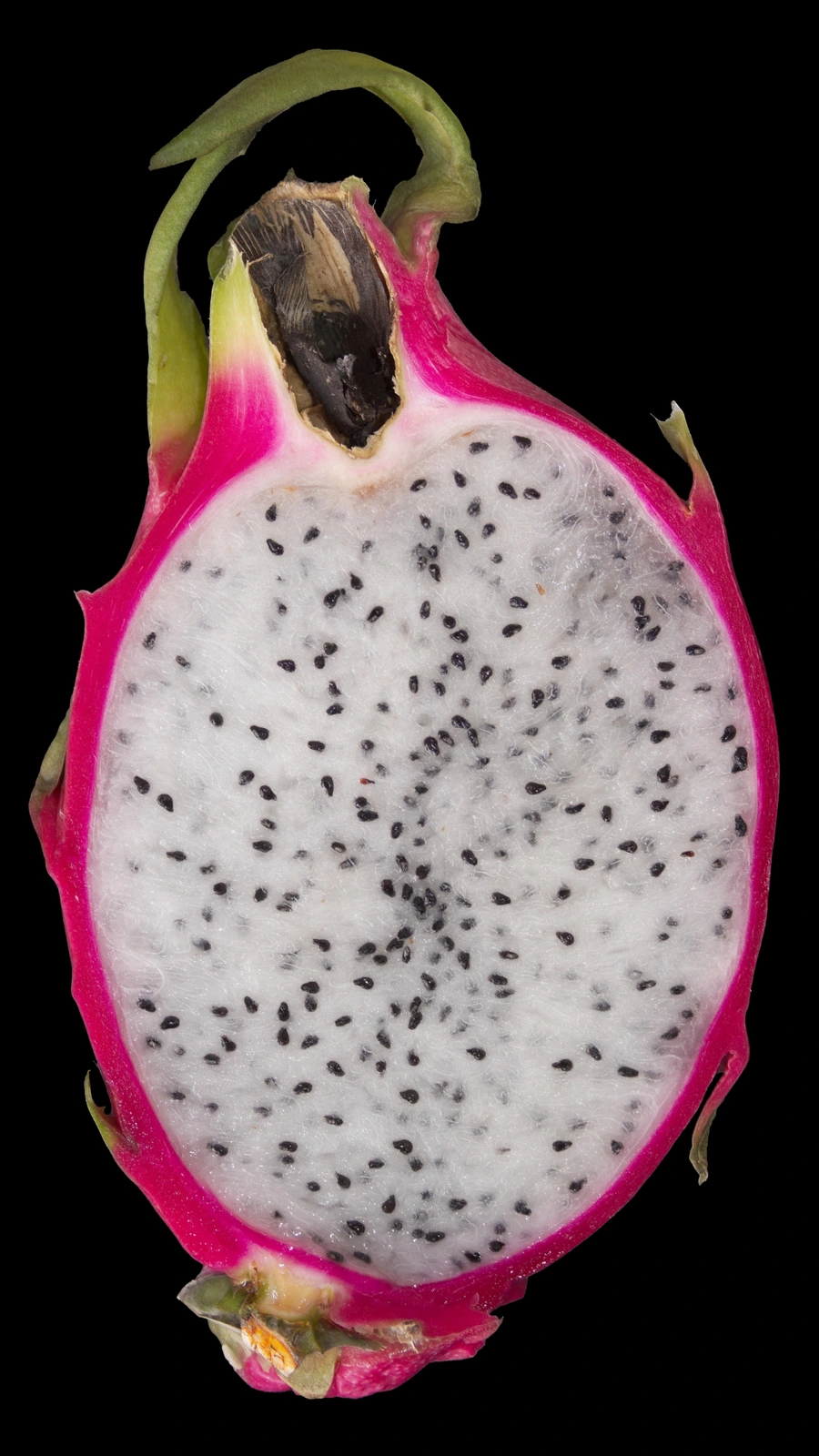 Reference image
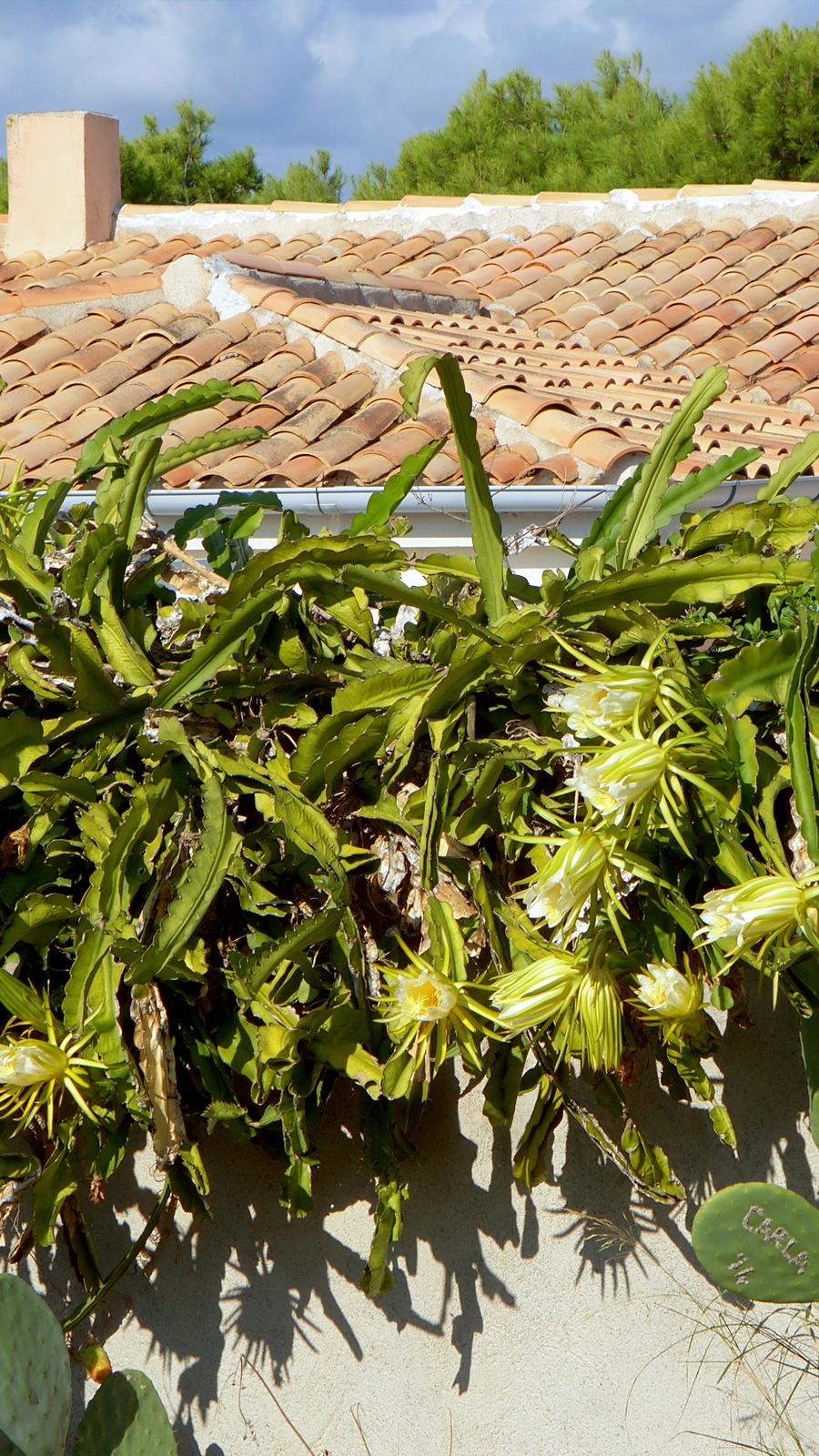 Reference image
White-fleshed Pitahaya
Selenicereus undatus, commonly known as dragon fruit or pitahaya, is a climbing epiphytic cactus species celebrated globally both for its exotic, sweet fruit and its magnificent, night-blooming blossoms 1.
Belonging to the Cactaceae family, this species was historically classified under the genus Hylocereus. Modern molecular phylogenetic research merged Hylocereus into Selenicereus 2. The specific epithet 'undatus' refers to the wavy margin of its three-angled photosynthetic ribs.
While its exact native range remains elusive due to extensive ancient cultivation, it is believed to originate from southern Mexico and Central America 1. It grows naturally as a climbing epiphyte or lithophyte, clinging to trees and rocks in seasonally dry tropical forests.
It features long, green, three-ribbed segmented stems with wavy margins that produce aerial roots for climbing. The breathtaking white flowers open only at night, spanning up to 30 cm in diameter with a sweet fragrance. Following pollination, it produces the iconic pink, scaled pitahaya fruit with white sweet pulp and tiny black seeds 2.
Unlike desert cacti, S. undatus thrives in rich, organic, well-draining soil and appreciates consistent moisture during the growing season. It requires bright filtered light and protection from hard freezes.
Overwatering in heavy soils leads to immediate root rot. Conversely, insufficient light results in weak, thin stems (etiolation) and prevents the development of its spectacular flowers.
Thrives in bright, indirect sunlight with partial morning sun.
Keep soil evenly moist but not waterlogged; let dry slightly between waterings.
Rich, well-draining potting soil containing peat, perlite, and organic compost.
Non-toxic to cats and dogs. Minor spines require gentle handling.
Very easy to grow, though flowering and fruiting require optimal warmth and light.
Believed to be native to Mexico and Central America, it is now widely naturalized and cultivated across tropical regions worldwide.
