
Light
Bright Indirect Light
Provide bright, filtered indirect light. Avoid direct, intense afternoon sun to prevent leaf scorching.
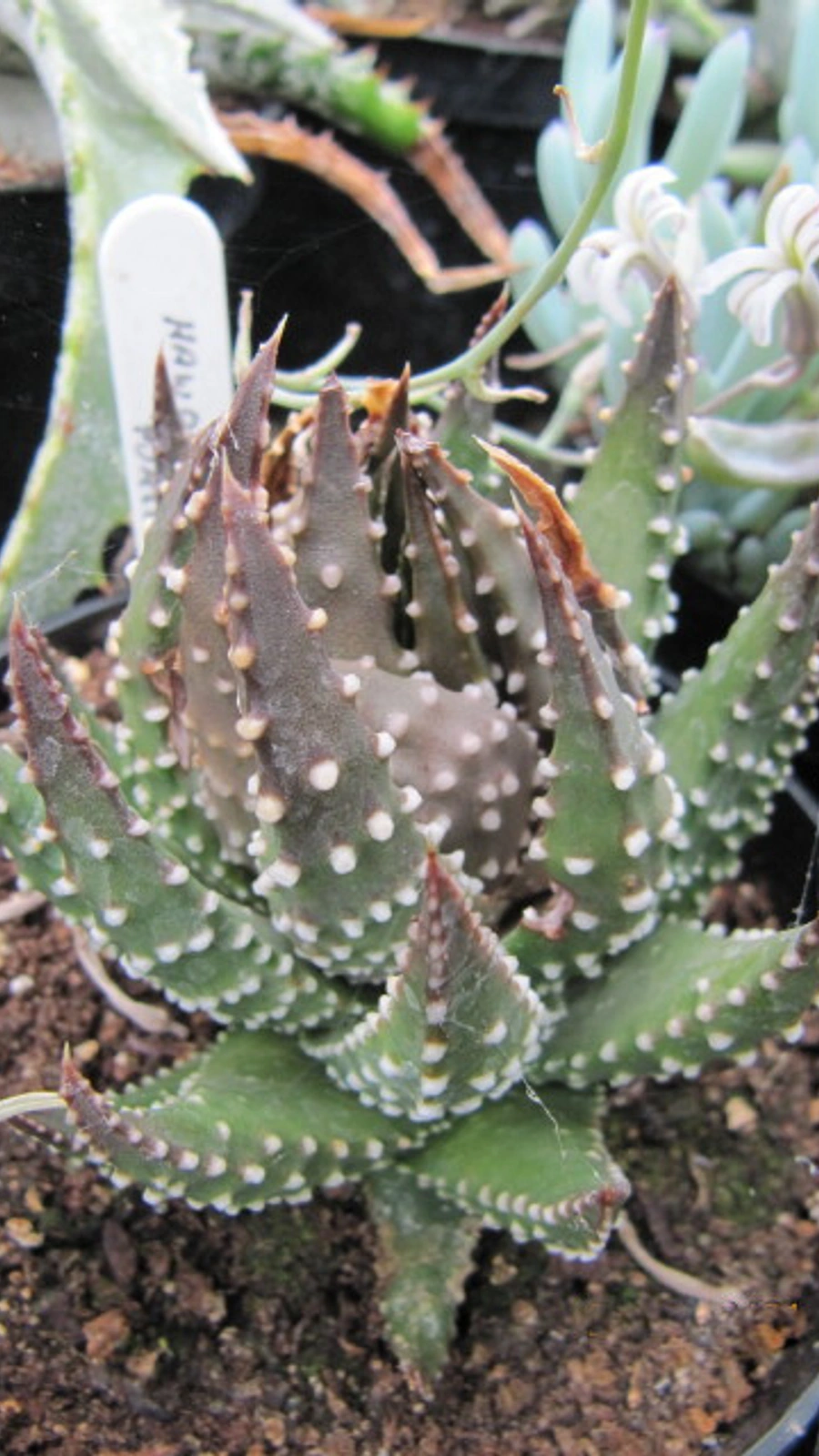 Reference image
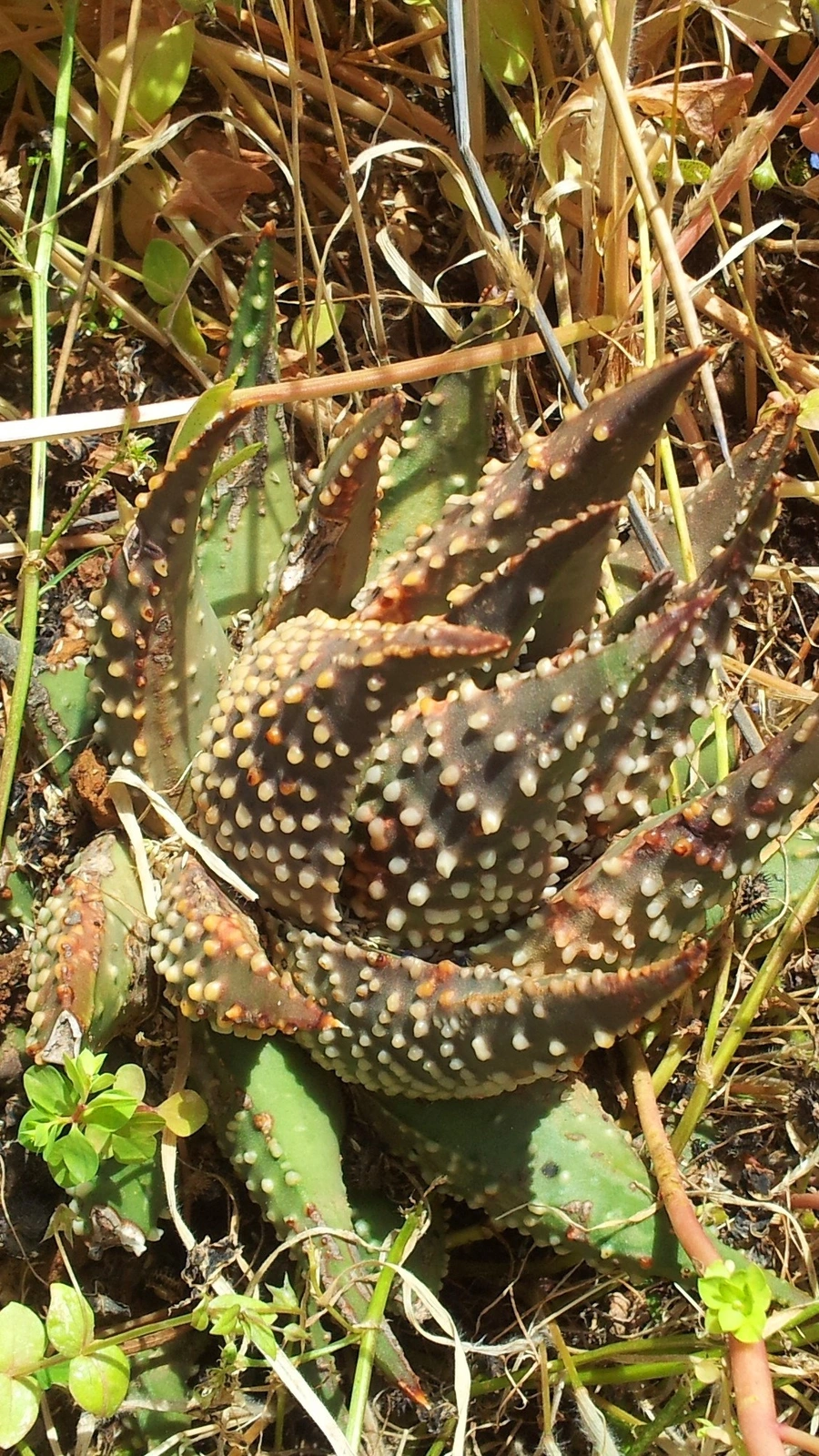 Reference image
Pearl Plant
Haworthia pumila (synonym: Tulista pumila), commonly known as the Pearl Plant, is an eye-catching, robust succulent famous for its striking pearly white tubercles covering its fleshy leaves. It is slow-growing and highly prized as an easy-to-care indoor container plant.
Belonging to the family Asphodelaceae, this species was historically placed in the genus Haworthia but has recently been reclassified under the genus Tulista based on phylogenetic studies 1. Despite the specific epithet 'pumila' meaning dwarf in Latin, it is actually one of the largest species in its alliance.
This species is endemic to the Western Cape Province of South Africa, particularly within the Robertson Karoo region 2. In its natural habitat, it thrives in heavy, clay-rich soils, usually growing under the protective shade of nurse bushes or inside rocky crevices to escape extreme heat.
It forms a compact, stemless rosette of tough, upright, triangular leaves. The leaves are deep olive-green, covered prominently on both sides with raised, hard, white chalky tubercles that resemble scattered pearls. During summer, it produces tall, slender inflorescences bearing tubular, brownish-white flowers.
Pearl Plant thrives in bright, indirect light or filtered sunlight. It is highly drought-tolerant and extremely sensitive to overwatering. The soil medium must dry out completely between waterings, and a well-draining mineral-rich substrate is vital for survival. During winter dormancy, watering should be restricted to a bare minimum.
The most frequent cause of failure is waterlogging due to poor soil drainage or excessive watering frequency, leading to root rot. Additionally, placing the plant in direct, scorching afternoon sun can cause permanent sunburn marks and stress-induced foliage discoloration.
Provide bright, filtered indirect light. Avoid direct, intense afternoon sun to prevent leaf scorching.
Water thoroughly only when the soil is completely dry. Reduce water drastically in winter.
Requires excellent drainage. Use a commercial succulent mix amended with plenty of pumice or grit.
Non-toxic and completely safe for cats, dogs, and other household pets.
Very easy to care for, making it ideal for beginners and low-maintenance indoor collections.
Native to the Western Cape of South Africa, specifically localized in the arid Robertson Karoo region. It naturally grows in stony, clay soils, sheltered under shrubs or rocks to protect itself from intense solar radiation.
