
Light
Bright Indirect Light
Prefers 5-6 hours of bright, direct or filtered sun; low light causes stretching and greening.
 Reference image
 Reference image
Ghost Plant
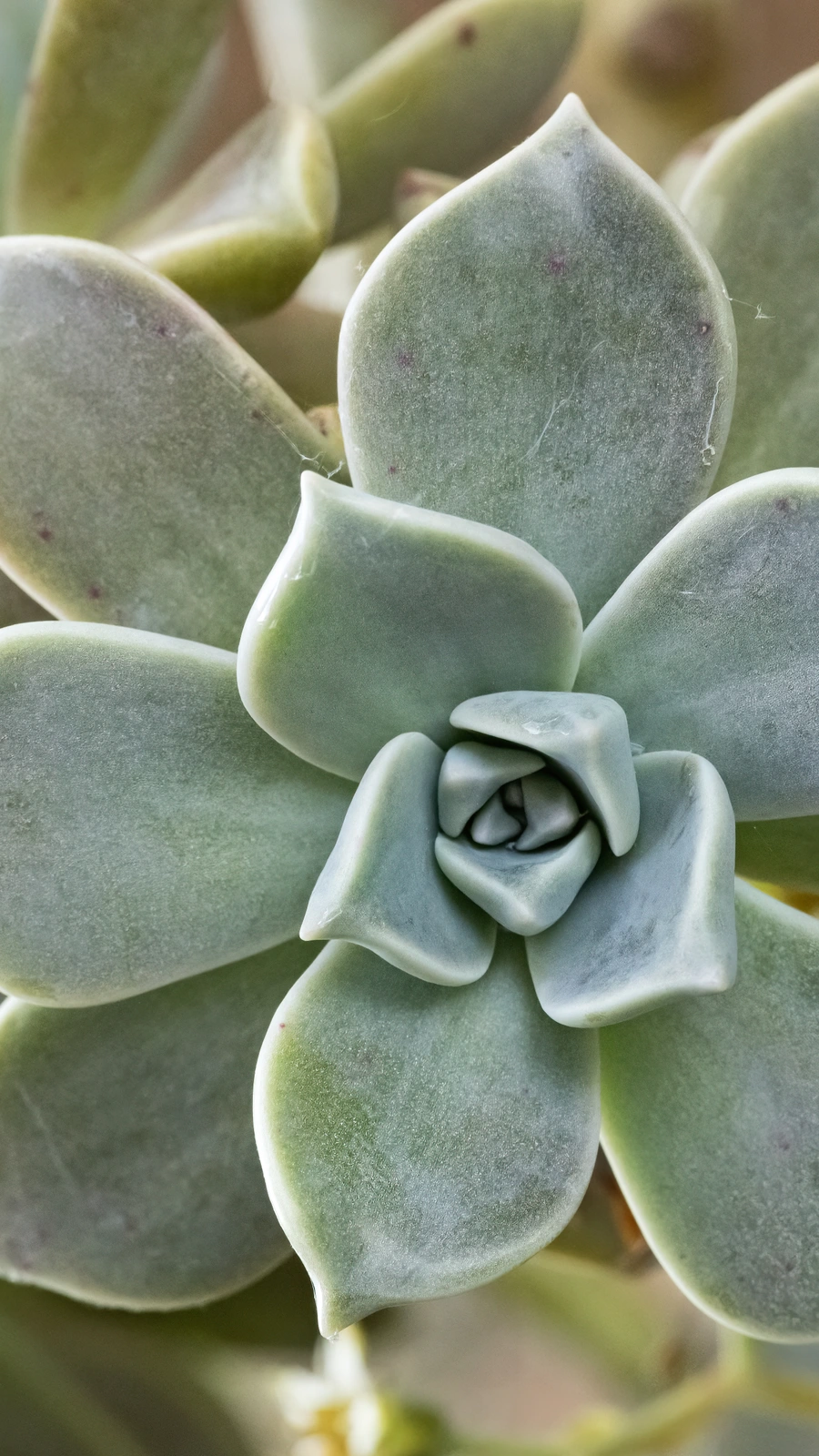
Graptopetalum paraguayense, commonly known as the Ghost Plant, is a highly popular, rosette-forming perennial succulent belonging to the Crassulaceae family 1. Renowned for its ethereal, pastel-colored foliage covered in a powdery pruinose coating, it is celebrated worldwide for its exceptional drought tolerance and extreme ease of propagation.
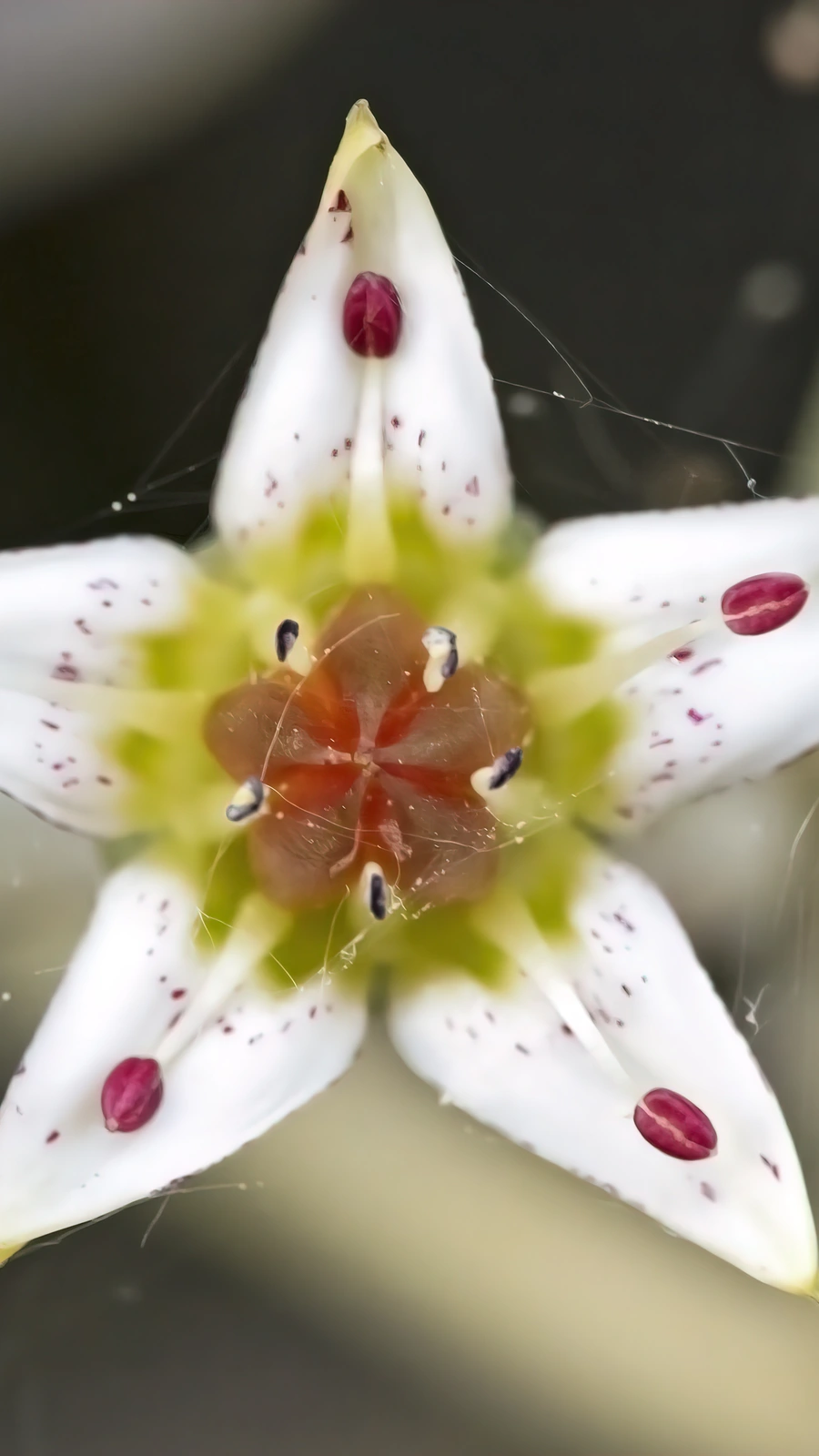
The genus name Graptopetalum is derived from the Greek words 'graptos' (marked or inscribed) and 'petalon' (petal), referring to the spotted petals of its star-shaped flowers 2. Despite the specific epithet 'paraguayense', which wrongly implies an origin in Paraguay, the plant has no botanical connection to that country due to a historical mislabeling. The common name 'Ghost Plant' reflects the pale, grayish-white and ghostly luster of its leaves.
Contrary to its scientific name, the species is native to northeastern Mexico, specifically within the state of Tamaulipas 1. In its wild habitat, it grows on steep, volcanic rock cliffs, ledges, and crevices. These microhabitats provide sharp drainage and exposure to bright sunlight or light, shifting shade.
This plant forms rosettes of thick, fleshy, wedge-shaped leaves. Depending on sunlight exposure, the foliage exhibits a spectacular color range from pale blue-gray to soft pinkish-yellow. Over time, the stems grow long and decumbent, gracefully cascading over container edges 2. In spring, it produces dainty, star-shaped white flowers speckled with reddish-brown spots.
To maintain its compact form and vibrant colors, provide at least five hours of bright, direct or indirect sunlight daily. It thrives in porous, gritty succulent mixes and must be watered using the 'soak and dry' method. It tolerates light frost if kept completely dry during winter.
Overwatering and poor soil drainage are the primary causes of root and stem rot 1. Insufficient light leads to etiolation, where the stems stretch out toward the light source, losing their compact rosette aesthetic.
Prefers 5-6 hours of bright, direct or filtered sun; low light causes stretching and greening.
Water thoroughly only when the soil is 100% dry. Reduce significantly in winter.
Requires extremely gritty, fast-draining cactus and succulent mix with low organic matter.
Non-toxic and completely safe for cats, dogs, and humans.
Very easy. Highly recommended for beginners due to its resilience and ease of propagation.
Native to the rocky canyon walls and volcanic cliffs of Tamaulipas, Mexico, where it adapts to arid climates.
