
Light
Bright Indirect Light
The live `bright_indirect` operational enum is preserved; provide bright filtered light and avoid abrupt exposure to scorching midday sun.
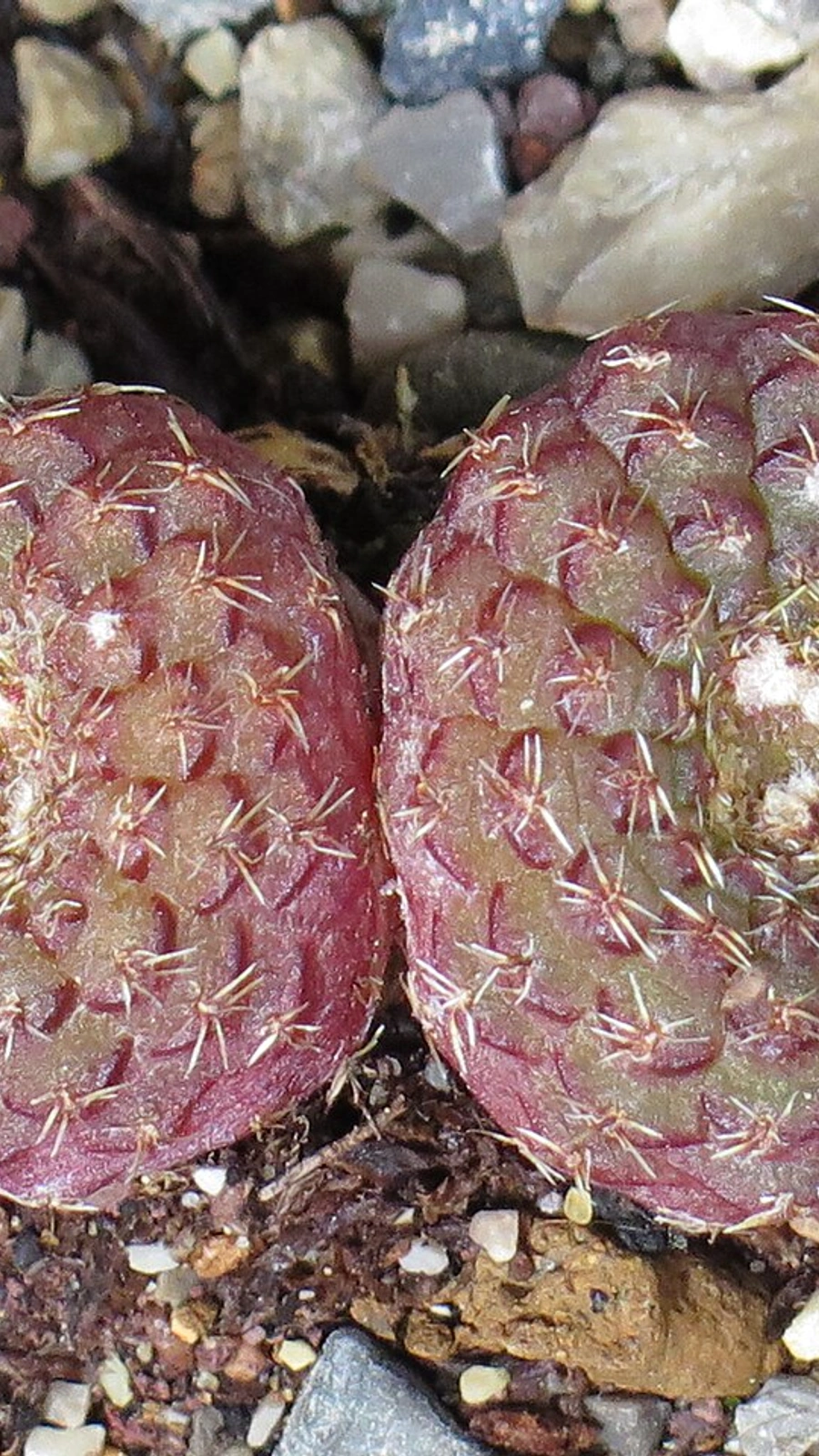
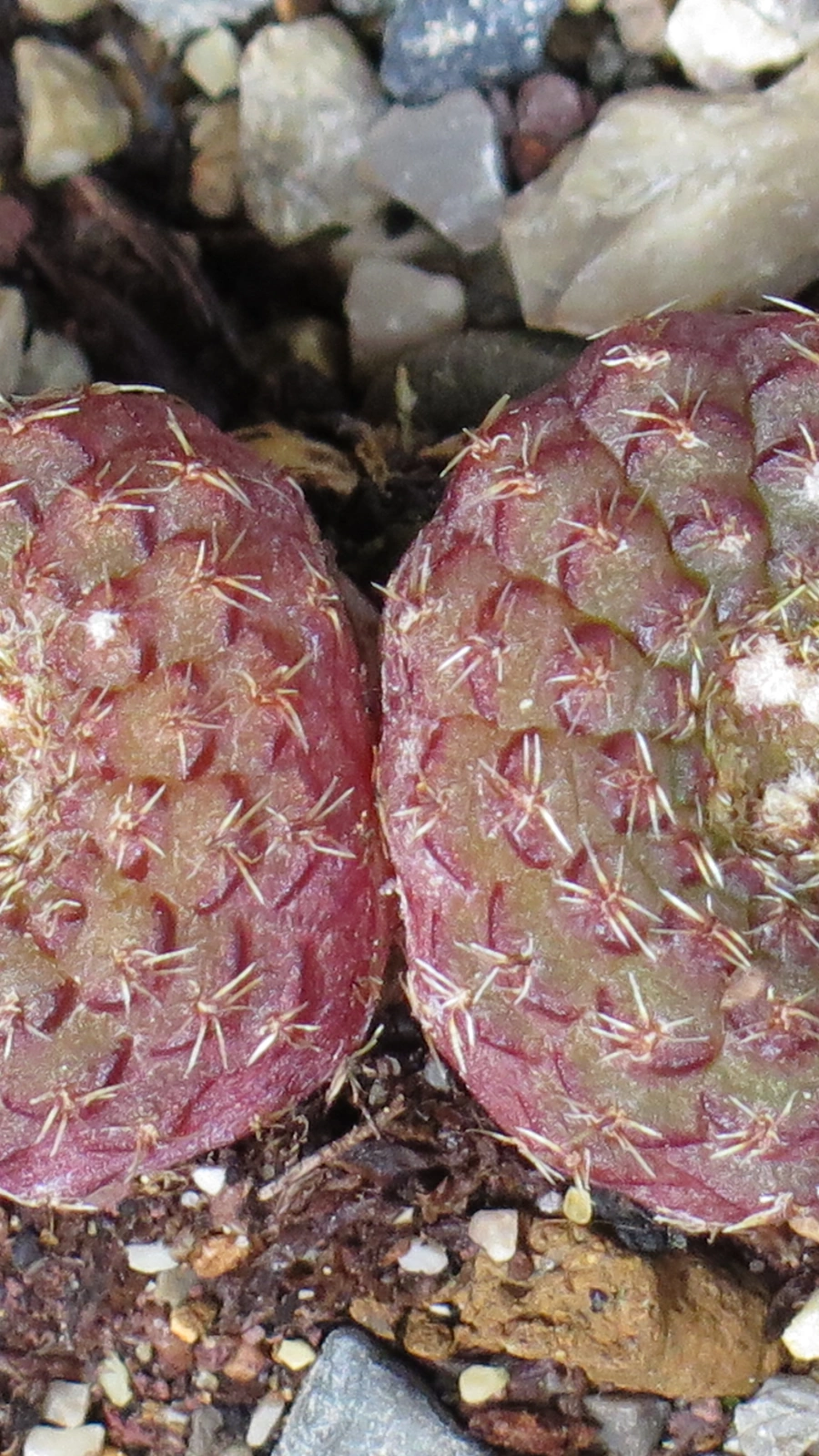
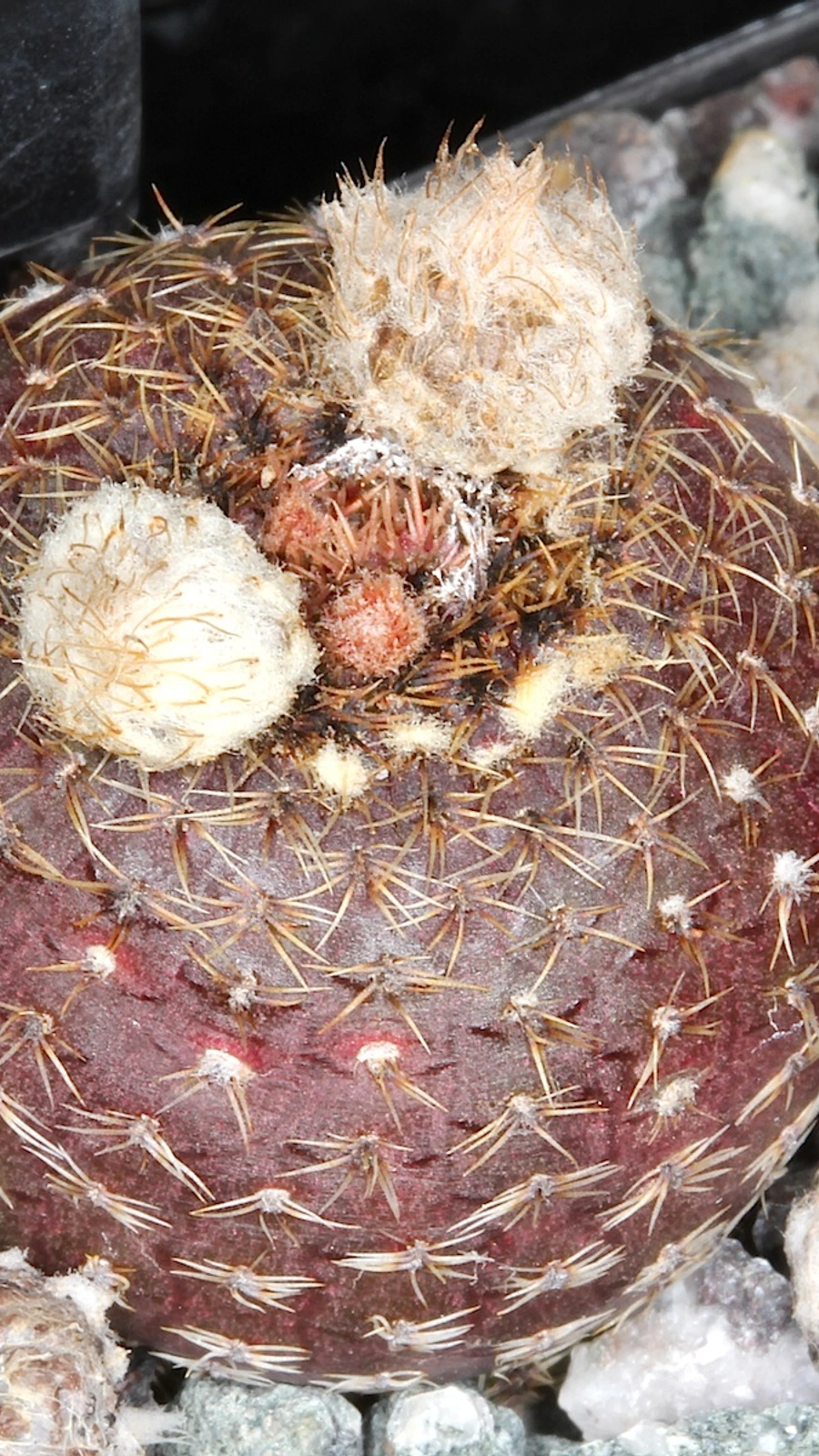 Reference image
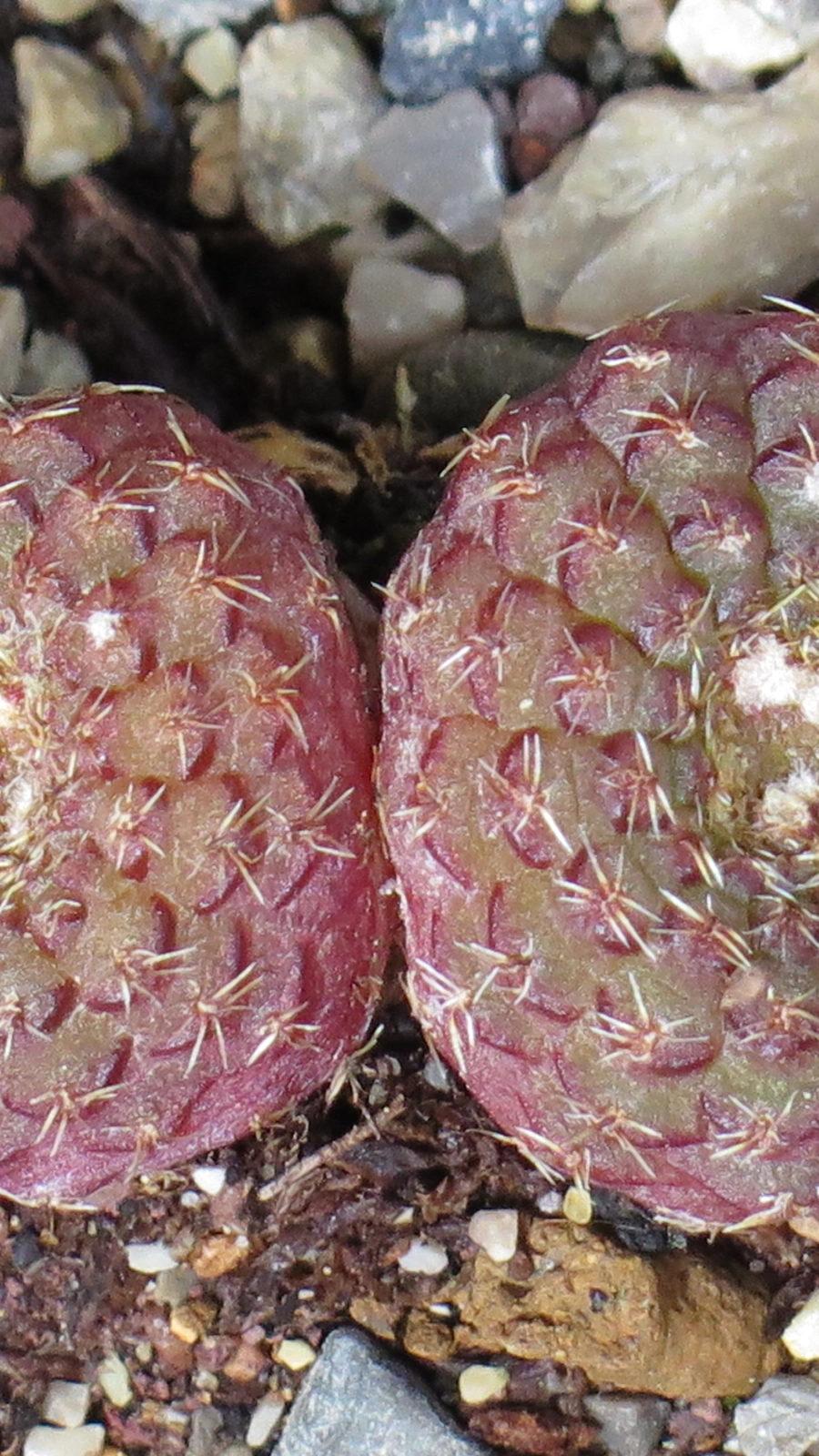 Reference image
Shield Cactus
Frailea cataphracta is a small-bodied Frailea. A small flattened-globose body, dark crescent markings beneath the areoles, fine appressed spines, flowers, seeds and documented provenance should be evaluated together. Identity should not be settled from a sales label or one photograph; body, ribs, areoles, spines, flowers, seeds and documented provenance should be evaluated together.12
Cleistogamy is common in Frailea: self-fertilisation and fruit formation may occur without the flower opening.2 A closed bud is not automatically a care failure, although light, temperature, root health and growth pattern should still be observed together.
Use a mineral-rich, fast-draining mix with little organic matter; keep the root zone dry during the cool period. Do not use a fixed-day calendar; water in a controlled cycle only after the potting mix has dried through the root zone, and extend the interval substantially in cool or low-light periods. A dry-looking surface is not enough; inspect the root zone in the small pot. Leave no standing water after irrigation. After repotting, allow injured roots time to dry and callus.
Do not test low temperature with wet roots during winter or a cool rest. Evaluate wrinkling, soft tissue, abnormal colour change and root odour together. Keeping a small Frailea continuously wet in an organic-rich mix increases rot risk.
The live bright_indirect operational enum is preserved; provide bright filtered light and avoid abrupt exposure to scorching midday sun. The operational enum is not a laboratory light threshold; glazing, airflow, season, pot temperature and previous cultivation conditions alter the outcome. Increase light over several weeks rather than abruptly.
Kew maintains 13 synonyms: two homotypic and 11 heterotypic. Historical matoana, melitae and uhligiana names are not separate accepted-species routes. Grafting, stress colour or cultivation-induced body form does not automatically change the scientific name.
The live safe field is preserved as an operational carry-forward; it is not a new toxicology finding. Do not ingest the plant and use basic physical precautions for small spines. The conservation record is NT.3 The live and official target remain NT; Near Threatened is not absence of risk and supports monitoring and documented legal nursery provenance. Prefer documented legal nursery propagation and do not encourage wild collection.
The live `bright_indirect` operational enum is preserved; provide bright filtered light and avoid abrupt exposure to scorching midday sun.
Do not use a fixed-day calendar; water in a controlled cycle only after the potting mix has dried through the root zone, and extend the interval substantially in cool or low-light periods.
Use a mineral-rich, fast-draining mix with little organic matter; keep the root zone dry during the cool period.
The live `safe` field is preserved as an operational carry-forward; it is not a new toxicology finding. Do not ingest the plant and use basic physical precautions for small spines.
Live operational care class: moderate.
Bolivia, southern and west-central Brazil, and Paraguay.[^1] [^1]: Plants of the World Online. “Frailea cataphracta (Dams) Britton & Rose” Royal Botanic Gardens, Kew. Accessed: 2026-08-06. https://powo.science.kew.org/taxon/urn%3Alsid%3Aipni.org%3Anames%3A105527-2 [^2]: International Plant Names Index. “Frailea cataphracta.” Accessed: 2026-08-06. https://www.ipni.org/n/105527-2 [^3]: Metzing, D. & Kiesling, R. (2006). “Notes on the diversity, biology, and taxonomy of Frailea (Cactaceae).” Bradleya 24: 115–128. https://doi.org/10.25223/brad.n24.2006.a13 [^4]: IUCN Red List. “Frailea cataphracta conservation evidence.” Accessed: 2026-08-06. https://www.iucnredlist.org/species/152100/121521902
