
Light
Bright Indirect Light
Requires bright indirect light or filtered sun; low light causes legginess and greening.
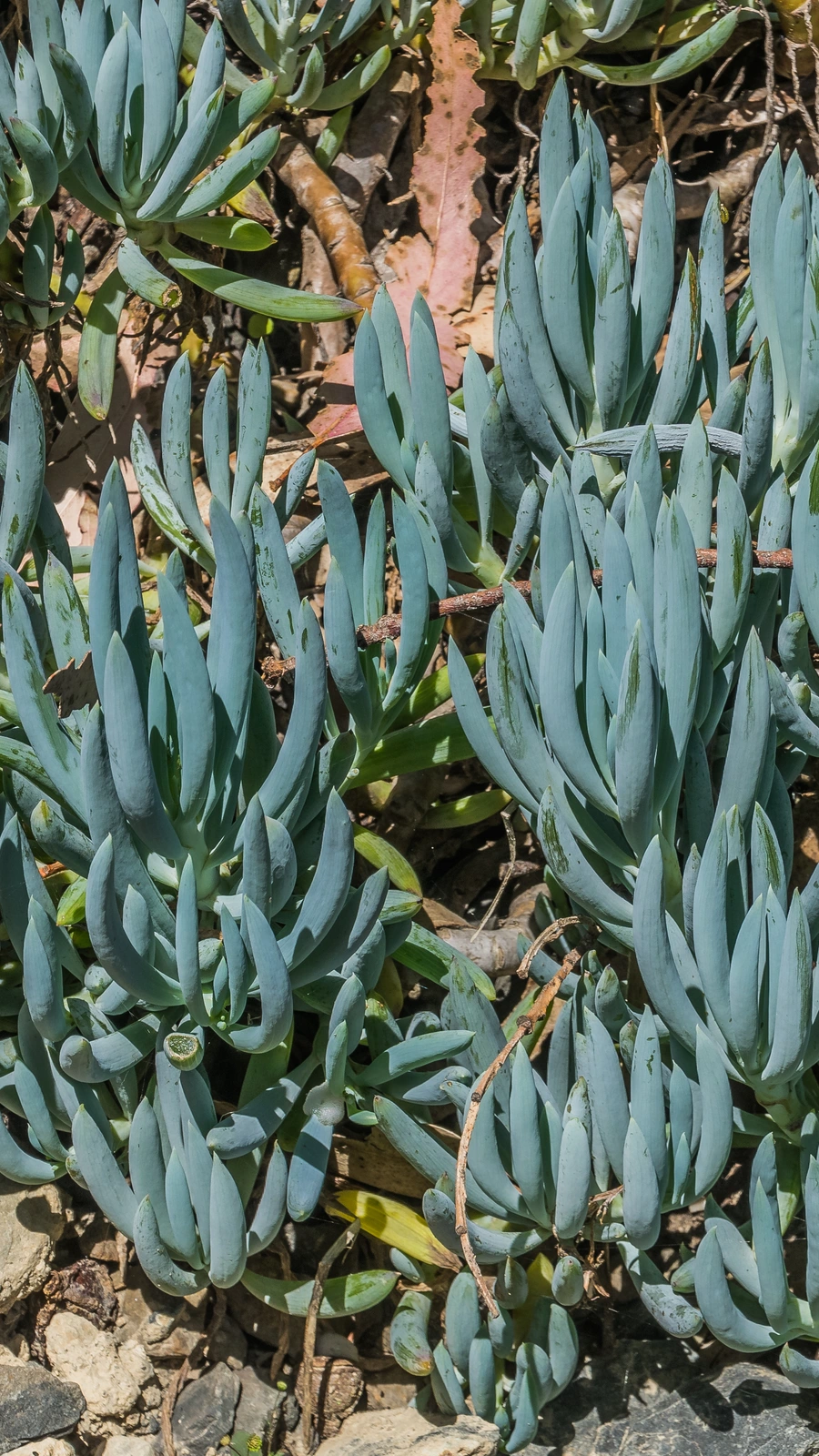 Reference image
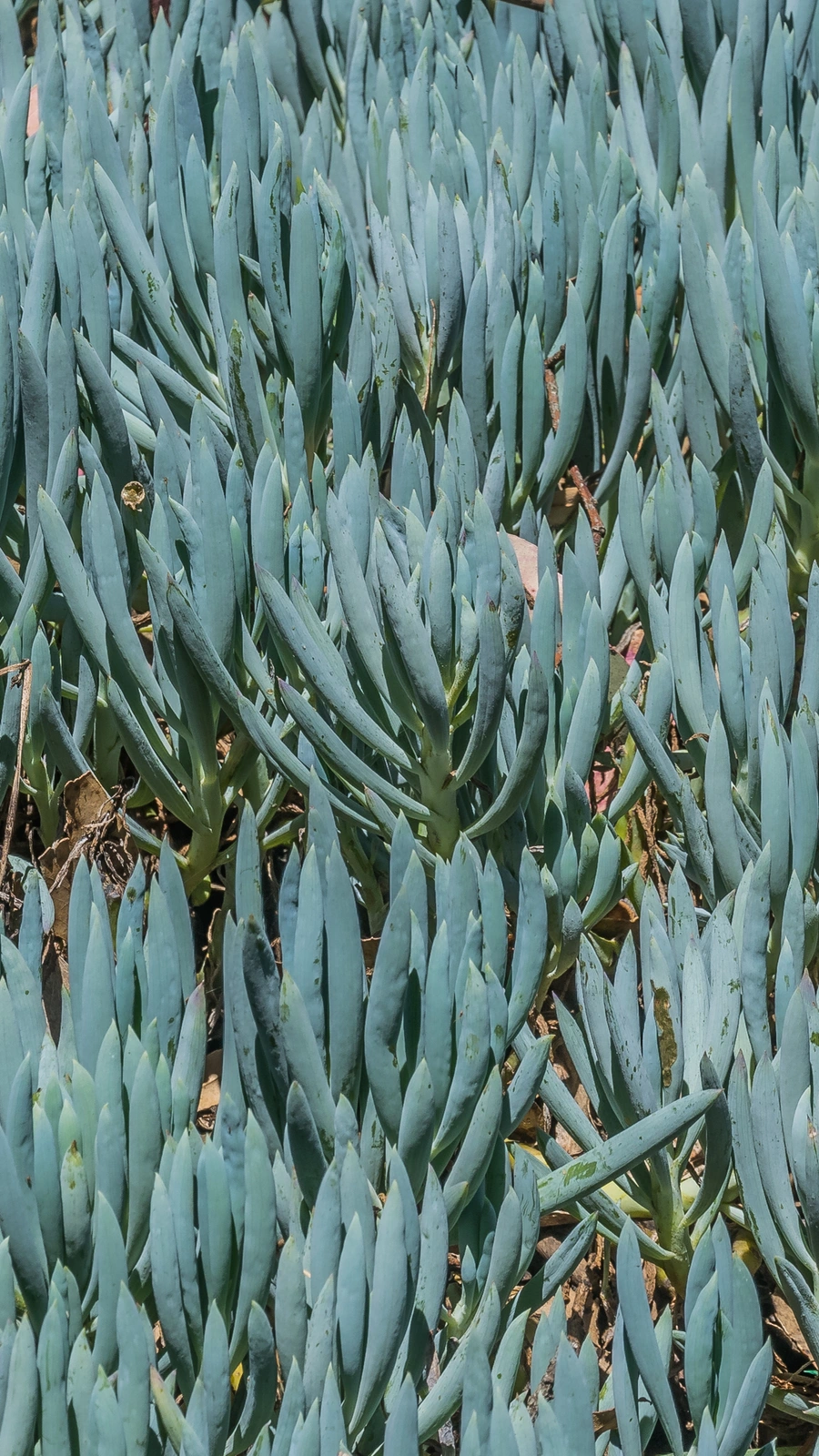 Reference image
Blue Chalksticks
Curio repens, formerly known as Senecio repens or Senecio serpens, is a highly popular, evergreen succulent subshrub in the family Asteraceae 1. Prized for its striking chalky blue foliage, low-growing prostrate habit, and extreme drought tolerance, it is widely utilized as an ornamental groundcover or a trailing container plant.
Historically classified under the genus Senecio, molecular and morphological studies led taxonomists to reassign this species to the resurrected genus Curio 2. Its common names, such as "Blue Chalksticks" or "Blue Spruce Senecio", directly reference the pencil-like shape and distinctive silvery-blue hue of its succulent leaves.
This species is native to the Cape Province of South Africa 1. In its natural habitat, it thrives in sandy coastal soils, rocky slopes, and dry shrublands, adapting to arid conditions through its specialized water-storing tissues and protective waxy leaf coating.
Curio repens forms low mats that typically reach 10-20 cm in height but can spread horizontally. The fleshy, upward-pointing, cylindrical leaves are covered with a powdery blue-grey pruinose layer (epicuticular wax), which acts as a natural sunblock 2. In late spring to summer, it produces corymbs of small, discoid, cream-colored to white flowers that attract beneficial pollinators.
This plant thrives in bright, indirect light or filtered sunlight. While it tolerates full sun, extreme heat may scorch the leaves without adequate ventilation. It requires highly porous, mineral-rich soil and a strict soak-and-dry watering regime to prevent root rot.
The most prevalent error is overwatering, which rapidly leads to root rot. Insufficient light exposure causes the plant to become leggy, losing its compact form and vibrant blue coloration as it reverts to green.
Requires bright indirect light or filtered sun; low light causes legginess and greening.
Allow soil to dry out completely before watering. Reduce drastically in winter.
Use a well-draining cactus/succulent potting mix with added pumice or grit.
Toxic to pets if ingested; sap may cause mild skin irritation on contact.
Very easy; highly resilient and perfect for beginners or low-maintenance gardens.
Indigenous to the coastal plains and rocky scrublands of the Cape Province in South Africa.
