
Light
Full Sun
Requires full sun or very bright direct light to maintain its compact shape and color.
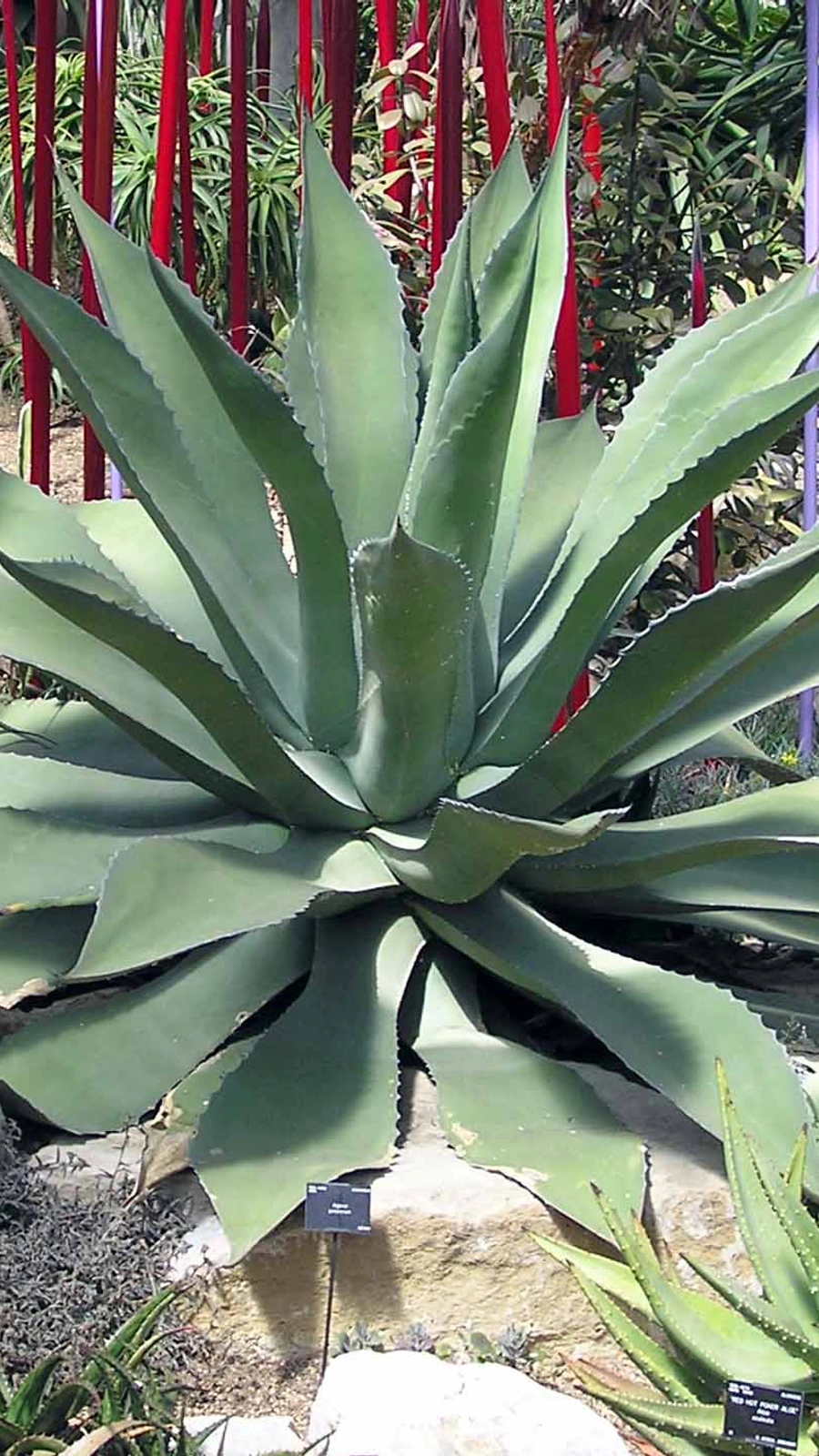 Reference image
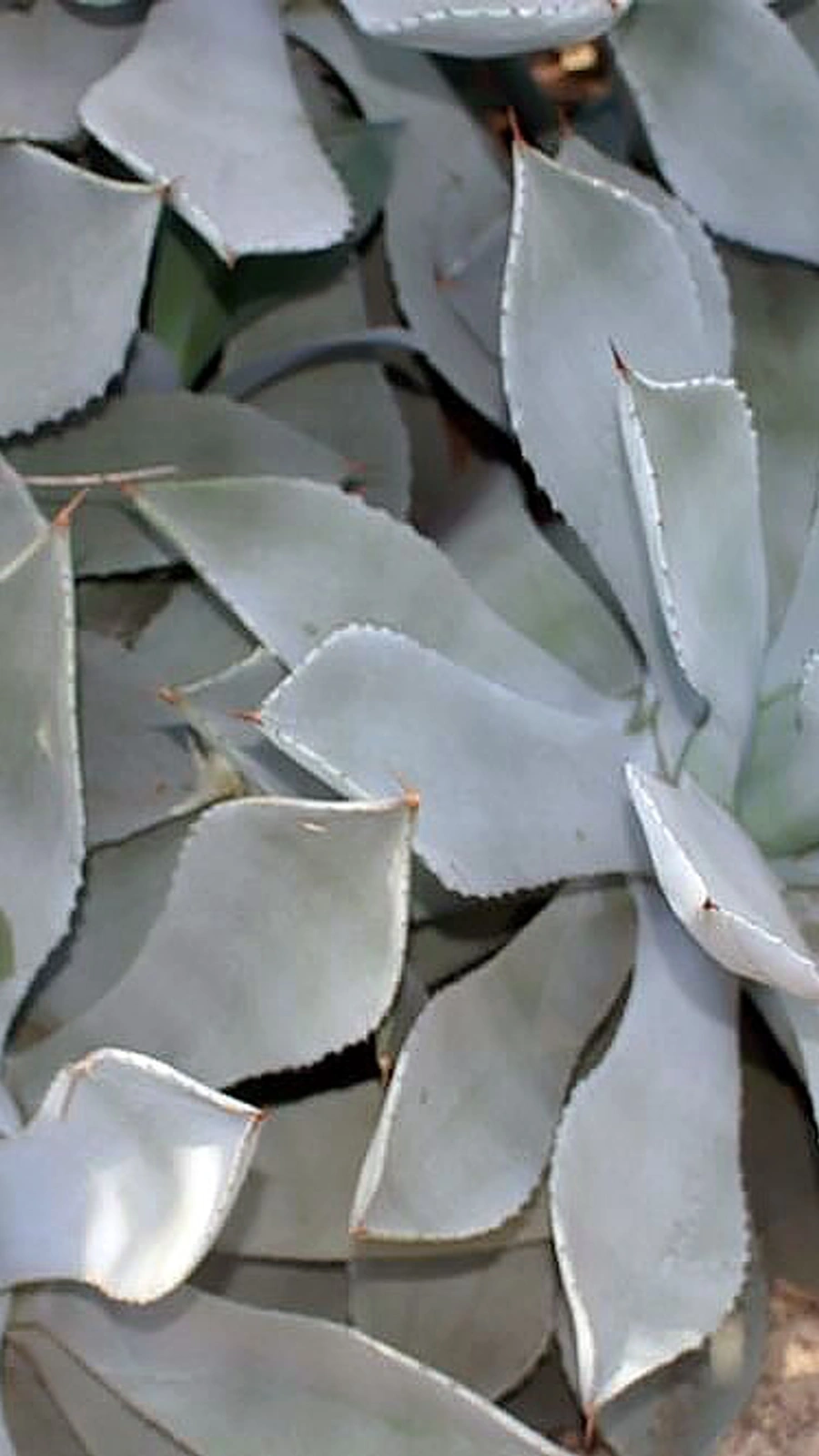 Reference image
Butterfly Agave
Agave potatorum, commonly known as the Butterfly Agave, is a highly prized, relatively small, and slow-growing succulent belonging to the Asparagaceae family. Its beautifully symmetrical rosette and distinctively scalloped margins make it a favorite among collectors 1.
This species was formally described by the German botanist Joseph zu Salm-Reifferscheidt-Dyck. The specific epithet 'potatorum' derives from the Latin word for 'of the drinkers', referencing its traditional use in Mexico for fermenting alcoholic beverages such as 'pulque' 2. It is classified within the subfamily Agavoideae.
Native to southern Mexico, specifically the states of Puebla and Oaxaca, Agave potatorum thrives at elevations between 1200 and 2400 meters. It occurs naturally on steep limestone cliffs and in dry, semi-arid pine-oak woodlands 1.
It forms a compact, symmetrical rosette reaching up to 30-40 cm in diameter. The leaves are thick, obovate, and display a powdery grayish-green or silvery-blue hue. The leaf margins are characteristically wavy (scalloped) and adorned with sharp, dark reddish-brown teeth. At maturity, it produces a spectacular flower spike up to 4 meters tall with yellow-red blossoms 2.
It prefers full sun and a fast-draining, gritty soil mix. Watering should be deep but infrequent. Although somewhat cold-tolerant, it requires protection from severe frosts, making container cultivation ideal in colder climates.
Overwatering and poor soil drainage are the primary causes of root rot. Inadequate light levels will cause the rosette to stretch and lose its compact, beautiful symmetry.
Requires full sun or very bright direct light to maintain its compact shape and color.
Water deeply only when soil is bone dry. Minimize watering during winter dormancy.
Use a well-aerated, gritty cactus mix with pumice and sand for optimal drainage.
Features very sharp terminal spines. Keep out of reach of children and pets. Sap can cause skin irritation.
Very easy to care for, highly drought-tolerant, and perfect for beginners.
Originates from the high-altitude, arid regions of southern Mexico, where it thrives on rocky limestone slopes and gravelly soils under intense sunlight.
